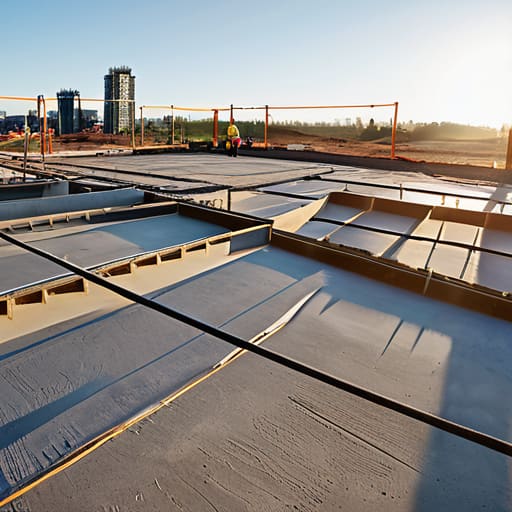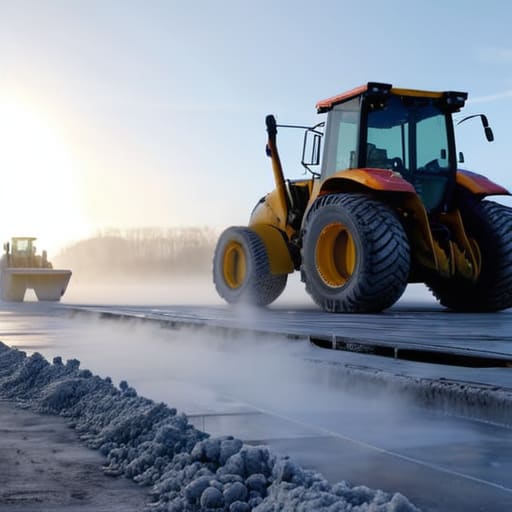
I remember standing on a site in North Yorkshire back in ’94, watching a lad try to pour a slab while the frost was already blooming on the grass. He’d spent a fortune on high-early strength additives, thinking he could just buy his way out of the weather, but he hadn’t even bothered to check if his sub-base was frozen solid. That slab didn’t just crack; it practically disintegrated by spring. Most people will try to sell you a “complete guide to concreting in cold weather” filled with fancy chemical additives and expensive heating blankets, but they’re missing the point. If you don’t respect the ground and the temperature before that truck even pulls up, you’re just throwing money into a frozen hole.
I’m not here to give you a textbook lecture or a list of expensive gadgets you don’t need. I’m going to give you the straight truth based on forty-three years of watching pours go right and seeing them go catastrophically wrong. We’re going to talk about the real work: getting your site prep sorted, managing your moisture, and knowing exactly when to tell the driver to turn around. This is the no-nonsense reality of keeping your concrete alive when the mercury drops.
Table of Contents
Managing Ambient Temperature Concrete Pouring Before the Freeze
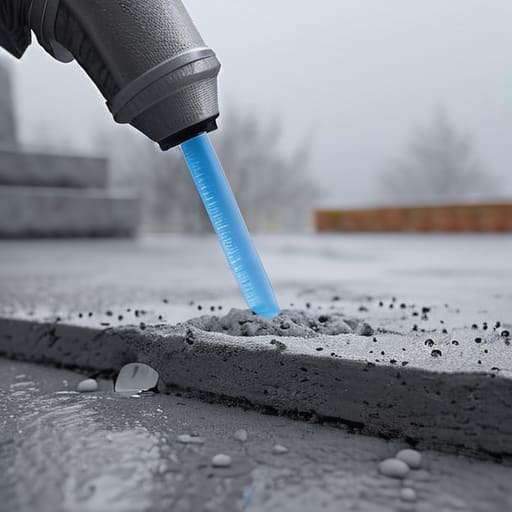
Now, listen to me: you don’t wait until the frost is on the grass to start thinking about the temperature. If you’re planning on ambient temperature concrete pouring when the mercury is dropping, you need to be looking at the forecast three days out, not three hours out. You have to understand that the chemical reaction—the hydration—is what generates its own heat. If the air is sucking the life out of that slab faster than the mix can warm itself up, you’re dead in the water. You need to monitor that concrete hydration temperature like your mortgage depends on it, because once that internal heat drops below a certain point, the chemistry stops, and you’re just pouring expensive, frozen mud.
If you know you’re working a cold snap, don’t try to be a hero with just a bit of plastic sheeting. You need to be looking at thermal blankets for concrete to trap whatever heat that mix is trying to throw off. And for heaven’s sake, if the mix design is borderline, talk to your supplier about concrete curing additives before the truck even leaves the yard. You can’t fix a cold mix once it’s out of the drum; you can only manage the environment you’ve built around it.
The Truth About Concrete Hydration Temperature and Early Failure
Listen, you can buy all the fancy additives in the world, but if you don’t understand what’s happening inside that slab, you’re just throwing money into a frozen hole. People think concrete is just a wet rock that hardens, but it’s a chemical reaction. That concrete hydration temperature is the heartbeat of your pour. If that internal heat drops too low because the air is biting at you, the chemical reaction stalls. And when the reaction stalls in the cold, you aren’t just looking at a slow set; you’re looking at a structural disaster.
I’ve seen too many lads try to rush the job by accelerating concrete cure time with high-early mixes, thinking they can outrun the frost. That’s a mistake. If you push it too hard without managing the heat, you end up with massive thermal cracking once the core finally cools down. You have to keep that internal temperature steady. It isn’t about making it hard fast; it’s about preventing freeze damage in concrete by ensuring the chemistry stays alive long enough to finish its job. If the water inside the mix freezes before the paste has gained its strength, you might as well have poured a layer of ice and called it a day.
Five Things You Can't Cheat When the Temperature Drops
- Stop looking at the thermometer and start looking at the ground. If you’re pouring onto frozen sub-base or even just damp, cold earth, you’ve lost the battle before the first mixer arrives. That frozen ground will suck the heat right out of your mix, killing the hydration process and leaving you with a slab that’s nothing more than expensive gravel.
- Watch the lads with the hose. I’ve seen it a hundred times—the mix arrives a bit stiff, and some joker decides to add a splash of water to make it easier to spread. In the cold, that extra water doesn’t just make it easier to work; it stays liquid longer, weakens the entire structure, and practically guarantees you’ll see shrinkage cracks once it finally sets.
- Get your curing blankets sorted before the sun goes down. You can’t just throw a bit of plastic over it and hope for the best. You need proper, heavy-duty thermal blankets that actually hold the heat in. If the temperature drops mid-cure and you haven’t insulated the surface, you’re going to end up with a surface that’s soft, chalky, and useless.
- Don’t be a hero with the timing. If the forecast says frost is coming at 3:00 AM, you don’t wait until 10:00 PM to start your prep. You need to have your heaters, your blankets, and your protection ready to go well in advance. If you’re scrambling to find equipment while the concrete is already setting, you’ve already failed.
- Use the right mix for the job, not the cheapest one. If you know you’re working in the cold, you tell the plant you need an accelerator or a higher cement content to get that initial set moving. Trying to save a few quid on a standard mix in freezing weather is the fastest way to end up back here in six months explaining why their driveway is crumbling.
The Bottom Line Before the Frost Hits
Look, if you’ve followed what I’ve said, you know that cold-weather concreting isn’t about luck; it’s about logistics. You can’t just turn up when the thermometer drops and hope for the best. You have to get your sub-base warmed up, ensure your mix design is heavy enough to hold its own heat, and—most importantly—you have to protect that hydration process from the moment the truck starts discharging. If you skip the prep, ignore the ambient temperature, or let the surface freeze before the chemistry has done its job, you aren’t building a foundation; you’re just laying expensive gravel that’ll crack by spring. Don’t let a shortcut today become a structural nightmare tomorrow.
At the end of the day, the concrete doesn’t care about your schedule or your budget. It only cares about the physics of the pour. I’ve seen men try to rush a slab in November just to get home for tea, only to spend the next three years answering calls about why their driveway is splitting in two. Do it right, do it slow, and respect the weather. If you take care of the sub-base and the curing conditions, the concrete will take care of itself. Build it once, build it right, and you won’t have to go back to fix it.
Frequently Asked Questions
If the ground is frozen solid under the slab, can I still pour a heated mix and expect it to hold?
Absolutely not. You can pour the most expensive, heated mix in the world, but if that sub-base is a block of ice, you’ve already lost. That frozen ground acts like a heat sink; it’ll suck the life right out of your concrete before it can even set. Once that mix cools too fast because of the ground underneath, you’re looking at cracks and structural failure. Thaw the ground first, or don’t bother pouring at all.
How do I know if the lads on site are actually using curing blankets or if they're just throwing some old tarps over it and calling it a day?
Look, if you see them tossing thin, blue plastic tarps over a fresh slab and calling it “protection,” they’re lying to you. That’s just a windbreak, not a cure. Real curing blankets are heavy, thick, and quilted—they’re designed to trap the heat generated by the hydration process itself. If the blankets aren’t heavy enough to stay put without being weighed down by bricks, or if they look like they came from a hardware bin, your slab is losing heat too fast.
At what point do I tell the driver to take the truck back to the plant because the mix is too thin for the temperature?
If you see a driver reaching for the hose to add water because the mix is “stiff,” you stop him right there. In the cold, that extra water is a death sentence; it’ll kill your hydration and leave you with a weak, porous mess once it freezes. If the mix looks like soup and they’re trying to thin it out to make it easier to spread, send the truck back. I’d rather deal with a difficult pour than a cracked slab.