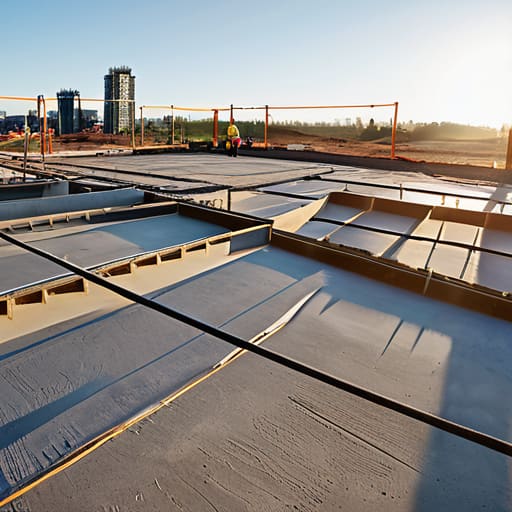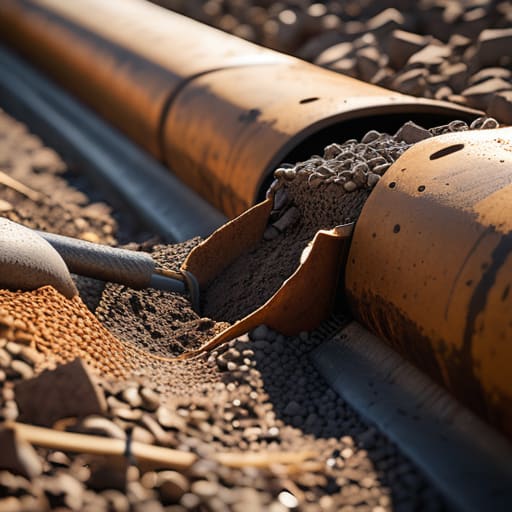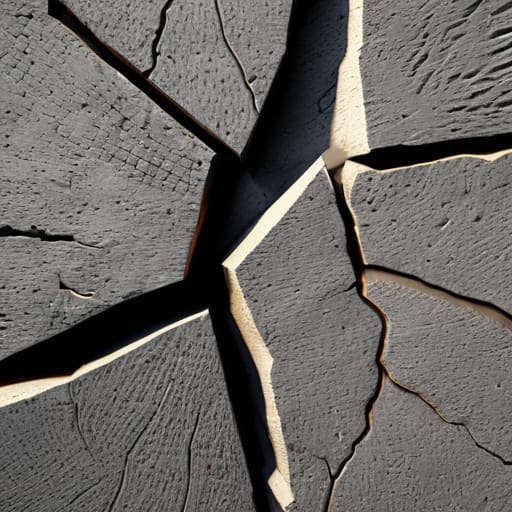
I was standing on a driveway in Surrey last Tuesday, looking at a hairline fracture that had turned into a canyon, listening to a homeowner moan about how he’d ordered the “wrong strength” of concrete. I almost laughed. People spend thousands on premium mixes and fancy additives, thinking they can buy their way out of a bad job, but they’re looking in the wrong place. If you’re searching for a complete guide to concrete cracking that tells you to just buy more cement, you’re wasting your time. Most of the time, the concrete isn’t the problem; it’s the shoddy sub-base or the lad on the machine who thought adding a hoseful of water would make the pour “easier” for his tired arms.
I’m not here to sell you a bag of chemicals or a magic sealant. I’m going to give you the truth from forty-three years of seeing exactly where the money gets wasted. I’ll walk you through the real reasons slabs split—from the groundwork prep to the curing process—so you can stop chasing symptoms and start fixing the cause. This isn’t some textbook theory; it’s the hard-earned reality of what happens when you skip the steps that actually matter.
Table of Contents
Why Soil Settlement and Concrete Damage Ruin Everything
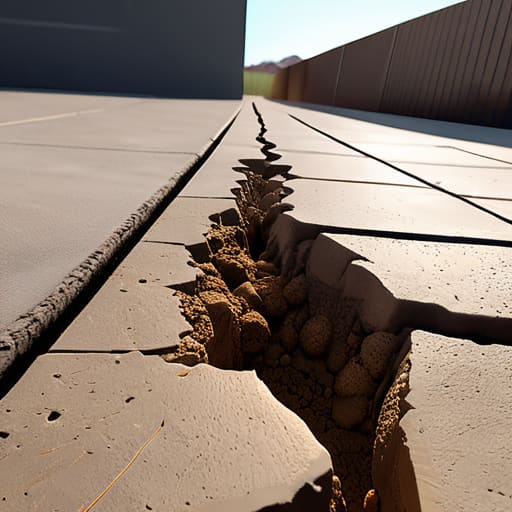
You can buy the most expensive, high-spec mix from the plant, but if you’re pouring onto a bed of soft clay or uncompacted fill, you’re just wasting your money. I’ve seen it a thousand times: a slab looks perfect on day one, but six months later, it’s tilting like a sinking ship. That’s soil settlement and concrete damage in its purest form. When the ground underneath shifts or compresses unevenly, the concrete has no choice but to follow it. You aren’t looking at a material failure; you’re looking at the earth moving under your feet because someone was too lazy to get the compaction right.
Once that ground gives way, you aren’t just dealing with a few hairline cracks; you’re fighting for the very structural integrity of concrete. If one corner of your pad drops even half an inch more than the other, the tension is going to snap that slab like a biscuit. People come to me asking about epoxy injection for concrete repair after the damage is done, but by then, the battle is already lost. If you don’t get the sub-base solid and level before the first yard ever leaves the truck, you’re just building a future headache.
The Concrete Curing Process Importance You Always Skip
You can pour the most expensive, high-spec mix in the world, but if you treat the curing like an afterthought, you’re just wasting money. Most lads think once the screed is flat and the finish looks decent, the job is done. That’s rubbish. The concrete curing process importance can’t be overstated because the chemical reaction—the hydration—needs time and, more importantly, moisture to finish its work. If the sun is beating down or a stiff breeze is blowing across a fresh slab, that surface moisture evaporates before the crystals can actually bond. That’s exactly how you end up with a mess of concrete shrinkage cracks spiderwebbing across your finish before the day is even out.
I’ve seen too many sites where they finish a pour and then just walk away, leaving the slab naked to the elements. If you aren’t covering it with polythene or keeping it damp, you aren’t curing; you’re just drying it out. When you skip this, you compromise the structural integrity of concrete from the very first hour. You might think a bit of epoxy injection for concrete repair later on will save you, but you can’t fix a slab that never gained its proper strength to begin with.
Five Things You’re Getting Wrong Before the Truck Even Shows Up
- Stop obsessing over the strength of the mix and start looking at your sub-base; if you haven’t compacted that MOT Type 1 until it’s solid as a rock, you might as well be pouring your money into a swamp.
- Get your expansion joints planned out before the first shovel hits the dirt, because if you’re trying to cut them into a slab that’s already setting, you’re just inviting the cracks to go wherever they damn well please.
- Watch the weather like a hawk and don’t be a hero; if it’s baking hot or the wind is howling, your surface is going to dry out faster than you can screed it, and that’s how you get those spiderweb cracks that’ll haunt you forever.
- Put down the hose and keep the water away from the truck; I’ve seen too many lads add extra water to the mix just to make it “workable” for the pour, but all they’re doing is weakening the structure and guaranteeing a failure in twelve months’ time.
- Reinforcement isn’t just for show or for passing an inspection; if you’re skimping on the mesh or placing it at the very bottom of the slab where it does nothing, you’ve basically decided that the concrete is going to crack on its own.
The Bottom Line on Your Slab
At the end of the day, if you want to stop chasing cracks, you have to stop looking at the surface and start looking at what’s happening underneath. We’ve covered it all: if your sub-base isn’t compacted properly, that slab is going to move. If you ignore the curing process or let the sun bake the moisture out of it too fast, it’s going to split. And don’t even get me started on the temptation to add water to the truck just to make the screeding a bit easier on the lads. The mix is only as good as the preparation. If you skip the groundwork or mess up the curing, you aren’t building a foundation; you’re just setting a timer on a failure that’s eventually going to cost you double to fix.
Look, I’ve spent forty-three years watching people try to take shortcuts, and I’ve seen the same mistakes repeated from every generation. Concrete isn’t magic; it’s a science of patience and preparation. If you do the hard, invisible work—getting that sub-base dead right and managing your moisture levels like your life depends on it—the concrete will do its job. It’s not about the flashy finish or the expensive additives; it’s about doing the job right when nobody is watching. Respect the process, respect the ground, and you won’t be calling me to tell me your driveway is splitting in half next summer.
Frequently Asked Questions
I've seen a crack that looks like it's getting wider every week; is that just settling, or is the sub-base actually failing underneath?
If it’s widening every week, stop looking at the surface and start looking at what’s underneath. Settling is a one-time event; a growing crack is a moving target. That means your sub-base is actively failing or washing out. You’ve likely got a void forming because the compaction wasn’t right or the drainage is sending water straight under the slab. If the ground is still shifting, that concrete is just a passenger on a sinking ship.
If I've already poured the slab and it's starting to crack, is there any point in trying to fix it, or is the whole thing a write-off?
Look, if it’s just a hairline crack, you’ve caught it early; get some proper epoxy injection in there and seal it before water gets underneath. But if the slab is heaving or those cracks are wide enough to stick a screwdriver in, you’re looking at a structural failure. At that point, you aren’t “fixing” it—you’re just masking a bad foundation. If the sub-base has gone, no amount of patching will stop the movement.
How much does the actual temperature of the ground matter when you're prepping the site, or is it only about the air temperature during the pour?
Listen, if you’re only looking at the thermometer in the air, you’re already halfway to a failed pour. The ground temperature matters more than the breeze. If you’re pouring onto frozen sub-base or even just cold, damp earth, that ground is going to suck the heat right out of your mix before it can set properly. It’s like putting a hot tea on an ice cube; you’re going to lose the thermal battle every single time.