I remember standing in a muddy trench outside of Leeds back in ’94, watching a site manager try to tick a box on a clipboard while a heavy downpour turned his “perfectly graded” run into a soup of silt and standing water. He was more worried about the inspector’s arrival than the fact that his pipes were practically floating in the muck. Most people think that figuring out how drainage is tested is just some high-level engineering paperwork or a fancy pressure gauge, but they’ve got it backwards. You can have the most expensive sensors in the world, but if you haven’t checked the integrity of the bedding and the slope of the run, you’re just documenting a failure before it even happens.
I’m not here to give you a lecture from a textbook or some sanitized version of the building regs. I’m going to tell you how we actually do it on a real site to make sure that when the rain hits, the water goes where it’s supposed to—not under your new slab. We’ll look at the real-world methods, from the simple soak tests to the proper way to check for leaks, because I want you to understand that the test is the only thing standing between a solid foundation and a costly nightmare.
Table of Contents
Beyond the Surface Why Hydrostatic Testing Procedures Matter
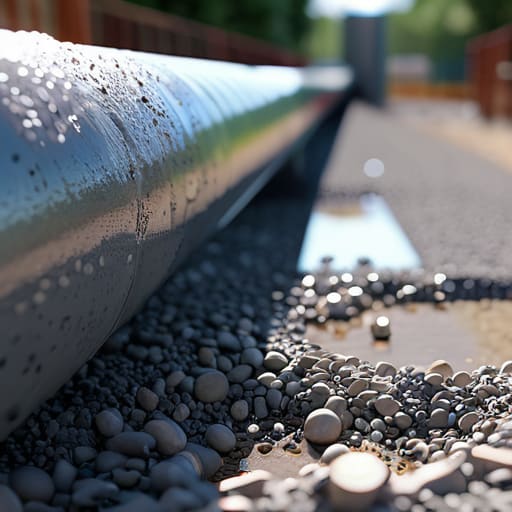
Now, listen. You can spend all day obsessing over the grade of your aggregate or the slump of your mix, but if the pipes underneath are faulty, you’re just pouring expensive concrete over a ticking time bomb. This is where most lads get lazy. They think if the water flows during the initial run, they’re golden. They aren’t. You need to be looking at hydrostatic testing procedures to ensure that once you’ve backfilled and finished that slab, you aren’t going to be digging it up in eighteen months because the ground has turned to soup.
It’s not just about seeing if water moves; it’s about seeing if it stays where it’s supposed to. When we talk about drainage system pressure testing, we’re looking for the tiny failures that a quick visual check misses. I’ve seen too many sites skip a proper CCTV drain survey to save a few hours on the schedule, only to have the entire sub-base fail because of a hairline fracture in a joint. If you aren’t testing for pressure, you aren’t testing at all—you’re just guessing, and in my experience, guessing is a very expensive way to work.
Cctv Drain Survey Seeing the Truth Before the Concrete Sets
Now, I’ve seen plenty of lads try to save a few quid by skipping the camera work, thinking that if the pipe looks straight from the surface, it’s fit for purpose. That’s a dangerous way to think. A CCTV drain survey isn’t just some fancy extra for the paperwork; it’s how you find the cracks, the root ingress, or the collapsed joints that are hiding just out of sight. You can spend a fortune on the best concrete mix on the market, but if you’re pouring a heavy slab over a line that’s already failing, you’re just burying a ticking time bomb.
Once that concrete sets, it’s a nightmare to fix. If you’re detecting leaks in drainage early, you can sort the pipework while it’s still cheap and easy. But once I’ve finished my pour and the surface is smooth, that’s when the client calls me back, complaining about sinking ground or damp patches. By then, the damage is done. A proper sewer pipe integrity inspection tells you the truth about what’s happening underground before you commit to the build. Don’t let a bit of laziness today turn into a massive excavation job next year.
Five Things the Test Tells You (If You’re Actually Looking)
- Don’t just check for blockages; check for the movement. A drain can pass a flow test perfectly well while sitting on a bed of shifting silt or a cracked pipe, but once you put the weight of a slab or a driveway over it, that “clear” pipe is going to buckle like a tin can.
- Watch the pressure, not just the clock. When you’re doing hydrostatic testing, if that water level drops faster than it should, don’t just assume it’s “settling.” It’s leaking. And a leak in a drainage line is a direct invitation for the ground around your new pour to turn into a soup.
- Get the man with the camera on the ground, not the office. A CCTV survey is useless if the lad running it is just looking for big holes. You want him looking for the hairline cracks and the root ingress that’s about to compromise the structural integrity of the surrounding soil.
- Test the connections, not just the main runs. I’ve seen plenty of lads test the big pipes and call it a day, only to have the whole system fail because the junction between the lateral and the main wasn’t seated right. If the connection isn’t watertight, the whole system is a liability.
- Mind the silt. If you’re testing a line that’s been sitting open, make sure you aren’t just testing a pipe full of mud. You can’t get an honest reading on a drain that’s partially choked with debris; you’ll think you’ve got a capacity issue when you actually just have a cleaning issue.
Don't Build on a Lie
At the end of the day, you can have the most expensive concrete mix on the order sheet and a crew that works like clockwork, but it won’t mean a damn thing if your drainage is a mess. We’ve talked about why hydrostatic testing and CCTV surveys aren’t just “extra paperwork” to satisfy a building inspector—they are your only insurance policy against a disaster. If you skip the testing, you aren’t saving money; you are just gambling with the foundations of everything you build. You can’t fix a collapsed pipe or a blocked run once you’ve poured four inches of reinforced slab over the top of it, and by then, the cost of digging it back up will make your eyes water.
I’ve spent forty-three years watching men try to rush the process, thinking they can outrun a bad sub-grade or a faulty drain. They can’t. My advice is simple: do the testing properly the first time. Treat the drainage with the same respect you treat the pour itself, because a job isn’t finished when the concrete is level; it’s finished when you know for a fact that the ground underneath is ready to hold its weight. Build it right, test it hard, and you won’t be the one getting the phone call ten years down the line when the ground starts to move.
Frequently Asked Questions
If the CCTV survey comes back clean but the ground feels soft, do I still trust the pipes or should I be worried about the sub-grade?
If the CCTV looks clean but the ground feels like a sponge, you don’t trust a thing. A camera only shows you the inside of the pipe; it doesn’t show you the void forming underneath it. If that sub-grade is soft or shifting, your pipes are going to settle, crack, or snap regardless of how clear the line looks on a screen. Trust your boots, not just the lens. Fix the ground first.
How much of a difference does it actually make to test the drainage before I pour the slab versus just checking it once the job is finished?
It makes all the difference in the world. If you wait until the slab is down to find a blockage or a cracked pipe, you aren’t just fixing a drain anymore—you’re jackhammering up your own hard work. I’ve seen too many lads pour over a faulty line just to meet a deadline, only to spend three times the money digging it all back up six months later. Test it now, or pay for it twice later.
What’s the tell-tale sign during a hydrostatic test that tells me a joint is failing rather than just a bit of silt sitting in the line?
If it’s just silt, your water level will drop a tiny bit and then sit dead still. It’s a slow, static settle. But if you’ve got a failing joint, that water level won’t stop moving. It’ll keep creeping down, steady as a heartbeat, no matter how long you watch it. That constant, rhythmic drop tells me the water is finding a way out through a gap or a crack. Silt settles; a leak flows.