I remember standing on the edge of a narrow cut in a clay-heavy site back in ’94, watching a lad try to shore up a trench with nothing but a few scrap pieces of timber and a prayer. The ground was weeping, the sides were bulging, and he was looking at me like I was the one being difficult for telling him to get out. People think understanding how trench support works is about reading a fancy manual or buying the most expensive hydraulic struts on the market, but they’ve got it all wrong. It’s not about the gear; it’s about respecting the weight of the earth that’s trying to reclaim that hole the second you turn your back.
I’m not here to sell you a textbook or some overpriced engineering jargon that won’t hold up when the rain starts hitting the site. I’m going to tell you exactly how to keep the walls from moving and the lads from getting buried, based on forty-three years of seeing what happens when you cut corners on stability. We’re going to look at the mechanics of pressure, the importance of the sub-soil, and why your support system is only as good as the ground it’s braced against.
Table of Contents
Why Soil Pressure Management Beats Any Shiny New Shoring
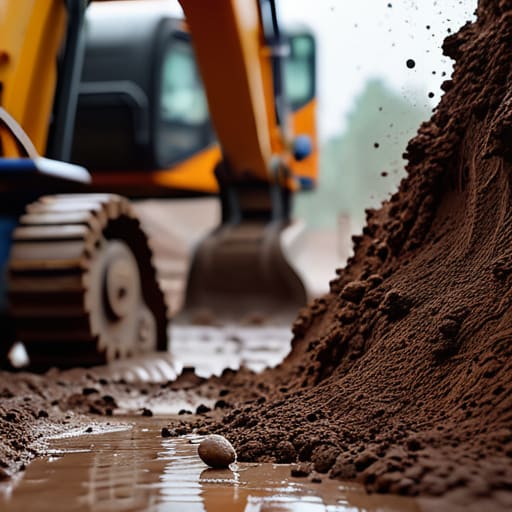
I’ve seen lads spend a fortune renting the latest hydraulic shoring systems, thinking that a bit of shiny metal is a magic shield against a cave-in. It isn’t. You can line a trench with the most expensive protective systems for excavations on the market, but if you haven’t accounted for the weight of the pile next to it or the way the rain has turned the clay into soup, that metal is just going to move with the earth. Real soil pressure management isn’t about what you put in the hole; it’s about understanding the forces pushing against the sides of it.
If you ignore the way the ground behaves, you’re just delaying the inevitable. I’ve stood on sites where the crew followed every one of the OSHA excavation standards to the letter on paper, yet the trench wall stability was still a joke because they didn’t realize the sub-surface was shifting under the weight of the heavy plant nearby. You don’t win against the earth by out-spending it; you win by respecting the load and making sure the ground isn’t trying to reclaim the space you’ve borrowed.
The Invisible Force That Defeats Poor Trench Wall Stability
You can have the most expensive hydraulic shoring on the market, but it won’t mean a damn thing if you don’t respect what’s pushing back against it. People tend to look at a trench and see a hole, but I see a constant, heavy weight of lateral force trying to reclaim that space. It’s not just the dirt sitting right next to the edge, either; it’s the weight of the entire bank behind it. If you haven’t accounted for the way moisture changes the weight of that soil, you’re basically playing Russian roulette with trench wall stability.
I’ve seen lads get complacent because the ground looks bone-dry and firm on a Tuesday morning. Then the rain hits, the pore pressure rises, and suddenly that “solid” bank is acting more like a liquid. That’s when the pressure spikes and snaps your supports like they’re made of matchsticks. Following basic excavation safety protocols isn’t just about ticking a box for the inspector; it’s about understanding that the earth is never truly still. Once that lateral load gets moving, you aren’t fighting a pile of dirt anymore—you’re fighting a landslide in slow motion.
Five Things That Actually Keep a Trench from Folding Inward
- Stop looking at the props and start looking at the spoil pile. If you’ve heaped your excavated dirt right on the edge of the trench, you’ve just added a massive amount of surcharge weight that’s pushing those walls right toward you. Move the muck back, or don’t bother setting up the supports.
- It’s not just about the vertical walls; it’s about the lateral pressure. A good support system works by transferring that weight from the soil into the struts and then into the ground. If your base isn’t solid or your struts aren’t braced against something substantial, you’re just holding up a heavy curtain that’s going to collapse anyway.
- Watch the water, because water is the enemy of stability. If you’ve got groundwater seeping in or a heavy rain hitting your open trench, that soil turns into heavy, moving sludge. No amount of shiny aluminum shoring is going to hold back a wall that’s essentially turning into liquid.
- Check your connections every single time. I’ve seen lads set up a system, walk away, and come back to find a strut has slipped a fraction of an inch. In a trench, a fraction of an inch is the difference between a controlled dig and a burial. If it isn’t tight, it isn’t working.
- Don’t trust the “look” of the ground. You might think you’re working in firm clay, but if you haven’t accounted for how that specific soil behaves when it’s unsupported, you’re gambling. Support isn’t something you add when you see a crack; it’s something you install because you know the ground is trying to move from the second you break the surface.
Don't Let the Ground Catch You Napping
At the end of the day, trench support isn’t some fancy engineering puzzle to be solved with a spreadsheet; it’s about respecting the weight of the earth sitting next to you. You can buy the most expensive hydraulic shoring on the market, but if you haven’t accounted for the hydrostatic pressure from a heavy rain or the way your sub-base is settling, that gear is just expensive scrap metal. Remember, the support works by managing the load, not by pretending the soil isn’t trying to move. You have to look at the soil type, the water levels, and the surcharge loads before you even think about dropping a single worker into that cut. If you skip the prep, you aren’t just cutting corners—you’re gambling with lives.
I’ve spent forty-three years watching men try to outsmart the ground, and the ground wins every single time. My advice is simple: treat the trench like it’s already moving, because it usually is. Don’t be the bloke who waits for a crack to appear in the sidewall before he realizes he’s in trouble. Do the work properly, check your supports twice, and respect the physics of the hole you’ve dug. A solid trench is a boring one, and in my book, boring is exactly how you stay alive and keep the job profitable.
Frequently Asked Questions
If I’ve got a solid sub-base and the ground looks firm, do I really need to bother with full shoring, or is a bit of timber enough?
Listen, I’ve seen “firm” ground turn into a soup of mud the second a heavy plant drives past it. You can have the best sub-base in the county, but if you’re relying on a few scraps of timber to hold back the weight of the earth, you’re gambling with more than just your time. Timber might hold for a minute, but it doesn’t manage the pressure. If the ground’s deep enough to matter, use proper shoring.
How do I know if the pressure from the soil is actually increasing because of the water table, rather than just the weight of the trench walls?
Look, if you’re seeing the walls bulging or your shoring starting to groan, don’t just assume it’s the weight of the dirt. If the ground feels “spongy” or you see water seeping through the base, you’ve got a water table problem. Water doesn’t just sit there; it turns your soil into heavy, pressurized sludge. If you see any weeping or the soil looks darker and heavier than the dry stuff above, that’s hydrostatic pressure, and it’ll crush your supports faster than anything else.
At what point does a trench go from being "manageable" to needing a proper, engineered support system before the whole thing caves in?
Look, there’s no magic number, but there’s a clear sign. If you’re standing in a trench and you see tension cracks forming in the ground behind the edge, or if you see water weeping through the walls, you’ve already lost the battle. If the trench is deeper than a man’s height and the soil isn’t rock-hard, you don’t “manage” it—you shore it. Once that ground starts moving, it doesn’t stop until it’s buried you.