I remember standing on the edge of a trench in ’94, watching a young lad try to justify a lack of shoring by pointing at a massive, expensive digital site-management app on his tablet. He thought he was showing me how excavation safety is managed, but all I could see was a man who didn’t know the difference between stable clay and a death trap waiting to happen. You can have all the fancy software and high-tech sensors in the world, but if you aren’t looking at the way the soil is weeping or how the vibration from a passing lorry is settling the bank, you’re just playing pretend.
I’m not here to sell you on some glossy, corporate version of a safety manual that stays tucked in a folder in the site office. I’m going to tell you how this works when the rain is coming down and the clock is ticking. I’ll be sharing the unvarnished truth about what actually keeps a site from collapsing—from the soil you test before the first shovel hits the dirt to the way you respect the weight of the spoil pile. This is about real-world survival on the ground, not just ticking boxes for an inspector.
Table of Contents
The Soil Stability Assessment You Skipped Will Kill You
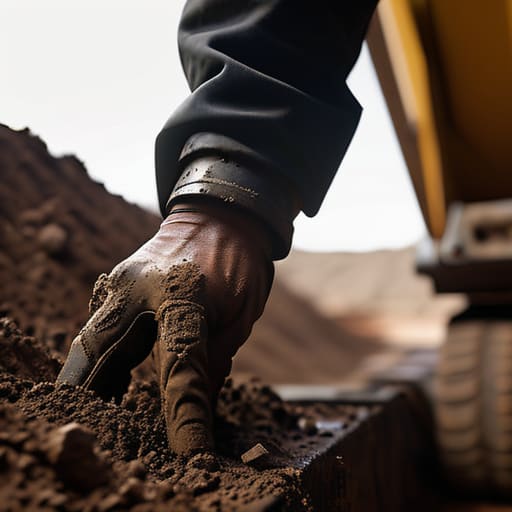
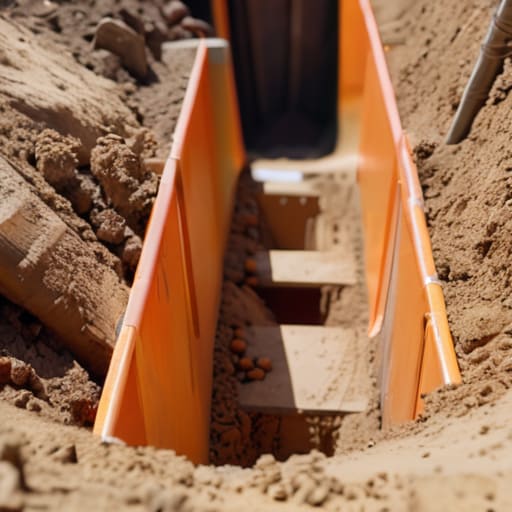
Everyone wants to talk about the fancy shoring or the big steel boxes, but they never want to talk about what’s actually holding them up. I’ve seen it a hundred times: a lad thinks because the ground looks dry and firm, he’s golden. He skips the proper soil stability assessment because he’s “seen it all before” or he’s just in a rush to get the pour started. That’s exactly when the earth decides to move. You can have the most expensive protective systems in excavation, but if you haven’t sat there and actually looked at the moisture content or the grain of that dirt, you’re just building a coffin.
The problem is, people treat a competent person inspection like it’s just another bit of paperwork to tick off for the inspector. It isn’t. It’s about knowing the difference between Type A clay and some sandy rubbish that’s going to liquefy the second a light rain hits. If you don’t respect the ground before you step into it, you aren’t managing a site; you’re just gambling with someone’s life.
Why Osha Excavation Standards Arent Just Paperwork
I’ve seen plenty of site managers treat OSHA excavation standards like they’re just some annoying bit of red tape designed to slow down the schedule. They sit in the cab of their truck, looking at a clipboard, while the lads are down in a cut that’s looking a bit soft around the edges. That’s a mistake that’ll cost you more than a fine; it’ll cost you a man. Those regulations aren’t there to satisfy some bureaucrat in an office; they are there because the weight of a single cubic yard of soil is enough to crush a person before they even realize the wall is moving.
If you think you can skip the competent person inspection requirements because “it looks solid enough,” you’re playing a dangerous game with physics. A real competent person doesn’t just glance at the trench; they’re looking for the subtle signs—the weeping of water, the tension cracks at the surface, or the way the spoil pile is sitting too close to the edge. You don’t implement protective systems in excavation because a manual told you to; you do it because you know that once that earth decides to move, there isn’t a prayer of getting it back.
The five things you’ll miss while you’re busy looking at the blueprints
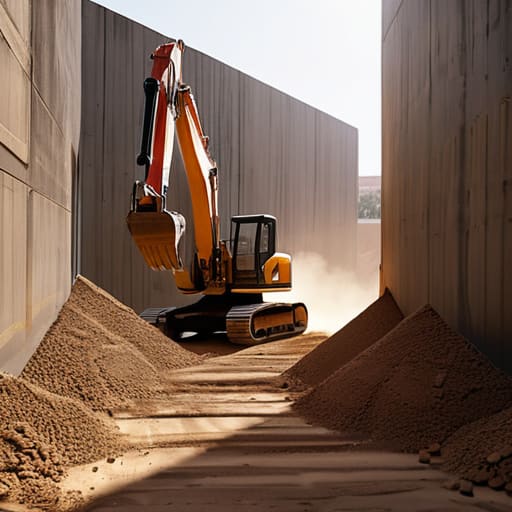
- Stop treating the spoil pile like a convenient place to park the skip. If you pile that excavated dirt right on the edge of the trench, you’re putting a massive amount of weight on the very lip that’s supposed to be holding the walls up. Keep your spoil at least two feet back from the edge, or don’t be surprised when the whole side decides to slide in on your lads.
- If you haven’t checked the weather, you haven’t checked the site. A heavy downpour doesn’t just make things muddy; it changes the weight and the stability of the soil in an instant. I’ve seen perfectly good trenches turn into death traps because someone thought a bit of rain wouldn’t matter. If the ground gets saturated, you stop, you reassess, and you shore it up again.
- Utility maps are a starting point, not a guarantee. I’ve seen enough “safe” sites get turned into chaos because a cable wasn’t where the drawing said it was. You don’t just trust the paperwork; you use a CAT scanner, you hand-dig where you’re unsure, and you treat every inch of dirt like there’s a live line hiding in it until you’ve proven otherwise.
- A ladder isn’t just for getting in and out; it’s your lifeline. If your lads are climbing up a muddy, unstable bank to get out of a four-foot trench, they’re asking for a broken ankle or worse. You need a way to get out that’s secure, reachable, and doesn’t require a mountain climb every time someone needs a brew.
- The “competent person” shouldn’t just be a name on a safety folder in the office. That person needs to be on their feet, walking the perimeter, and actually looking at the cracks forming in the soil. If the person in charge of safety is sitting in a van looking at a tablet, you aren’t managing safety—you’re just documenting an accident before it happens.
The Cost of Cutting Corners
At the end of the day, managing excavation safety isn’t about ticking boxes on a clipboard or making sure your permit is filed in a neat little folder. It’s about respecting the fact that the ground is a living, shifting thing that doesn’t care about your project timeline or your profit margins. You’ve got to look at the soil stability, you’ve got to respect the shoring requirements, and you’ve got to follow those OSHA standards because they were written in the blood of men who thought they could save twenty minutes by skipping a check. If you ignore the sub-base or treat the trench walls like they’re permanent, you aren’t just being efficient—you’re being reckless.
I’ve seen enough site collapses to know that the earth always wins in the end. You can try to outsmart it, but the only way to actually manage a site is to build a culture where the man with the shovel feels just as responsible for safety as the site manager. Don’t let your legacy be a pile of rubble and a “what if” conversation at a funeral. Do the prep work, check your slopes, and never let a man enter a hole that hasn’t been properly secured. That’s how you finish a job, and that’s how you ensure everyone goes home to their families at the end of the shift.
Frequently Asked Questions
If the soil looks solid and bone-dry today, do I still need to bother with shoring or a trench box?
If you think “bone-dry” means “safe,” you’re asking for a funeral. I’ve seen enough trenches turn into graves to know that dry soil is just a liar. It looks solid until the vibration from a passing lorry or a slight change in the water table hits it, and then that “solid” ground turns into liquid heavy enough to crush you before you can even scream. If you’re deeper than a man’s height, you use the box. Period.
How am I supposed to know if the vibration from that heavy machinery nearby is going to turn my trench walls into a landslide?
You don’t “know”—you observe. If you see tension cracks forming in the soil behind your trench or if you notice the walls starting to weep water, that machinery is already winning. Vibrations shake the cohesion right out of the ground, turning a solid bank into something more like loose sand. If you’re hearing a heavy rumble through your boots, you’re already too close. Stop the machine, step out, and rethink your shoring.
At what point during the dig am I legally and practically required to bring in a professional to re-assess the stability?
The moment you see the soil acting different than it did this morning, you stop. If you hit a pocket of soft clay after a dry run, or if the walls start weeping water, that’s your signal. Legally, any change in ground conditions or a sudden shift in the water table means your previous assessment is rubbish. Don’t be a hero and try to “work through it.” If the ground changes, the plan changes. Call the pro.