I remember standing on a site in Kent back in ’94, watching a lad pour a perfectly smooth, expensive driveway while the site manager ignored the fact that the gully was practically plugged with silt and clay. Two months later, after the first real autumn downpour, that “perfect” slab was sitting in a lake because nobody bothered to understand how surface water connections work before the concrete set. People think you just slap some drains in and call it a day, but if you haven’t mapped out exactly where that water is going to travel once it leaves the surface, you aren’t building a driveway—you’re building a dam.
I’m not here to give you a lecture from a textbook or some fancy architectural diagram that looks good on paper but fails in the mud. I’m going to tell you how it actually works when the rain starts coming down in buckets and the ground is saturated. We’re going to look at the real sequence: the fall of the ground, the capacity of the pipes, and the connections that actually keep your foundations dry. I’ll show you the bits they don’t teach in school, because I’ve spent forty-three years fixing the mistakes made by people who thought the easy way was the right way.
Table of Contents
Impermeable Surfaces and Runoff the Trap Youre Building
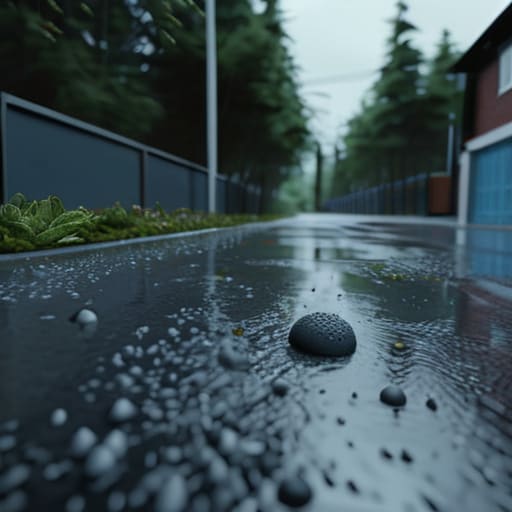
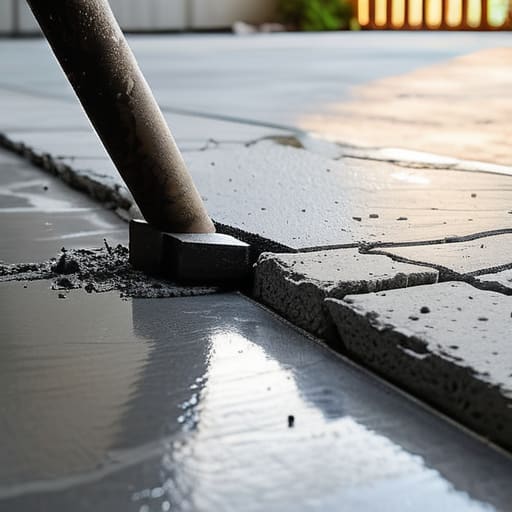
You see it every time a new build goes up: they lay down miles of tarmac, driveways, and patio slabs, and then they act surprised when the rain has nowhere to go. By creating these massive stretches of impermeable surfaces and runoff, you aren’t just making a nice-looking garden or a smooth driveway; you are effectively turning that patch of ground into a slide. In the old days, the earth acted like a sponge, soaking up what it could. Now, we’ve paved over the sponge and left the water with no choice but to sprint across the surface.
This is where most people get caught out. They focus on the aesthetics of the pour but completely ignore the velocity of the water once it hits the ground. When you strip away the soil’s ability to breathe and absorb, you’re forcing every drop of rain into your stormwater drainage systems all at once. If those pipes aren’t sized right, or if your falls are off by even a fraction, you aren’t managing water—you’re just directing a flood toward the nearest foundation.
Hydrological Connectivity Explained Why Gravity Never Lies
Look, gravity doesn’t care about your blueprints or how much you paid for that premium mix. It’s the most honest thing on a job site. When we talk about hydrological connectivity explained, we aren’t talking about some textbook theory; we’re talking about the simple, brutal reality that water always finds the path of least resistance. If you lay down a massive slab and don’t respect how the water is going to travel once it hits that surface, you’ve essentially built a slide that directs every drop of rain straight toward your most vulnerable point.
I’ve seen too many lads focus on the aesthetics of a driveway while completely ignoring the watershed drainage patterns of the land they’re sitting on. You might think you’ve managed the flow, but if your connections aren’t integrated with the natural slope, that water is going to pool, soak, and eventually undermine your sub-base. You can’t fight the terrain. You either work with the way the water moves, or you spend the next ten years explaining to a frustrated homeowner why their patio is turning into a pond.
Five Things You’ll Learn the Hard Way if You Ignore the Connections
- Don’t trust a flat site. You might think a driveway or a patio is level enough, but water is lazy and it always finds the path of least resistance. If your surface doesn’t have a clear, intentional path to a connection point, it’ll find its own way—usually straight into your foundations or your neighbor’s garden.
- The sub-base is your first line of defense, not just a bed for the concrete. If your drainage connections are sitting on top of poorly compacted ground that can’t handle the saturation, you aren’t managing water; you’re just creating a sponge underneath your slab.
- Check your gradients twice and your pipes once. I’ve seen lads lay perfect runs of drainage pipe only to realize the fall is too shallow to actually move the water. If the connection doesn’t have enough “oomph” from the slope, you’re just building an expensive underground swimming pool.
- Stop treating drains like a “set and forget” job. A surface water connection is only as good as its maintenance access. If you don’t build in a way to clear out the silt and the leaves, that connection will choke within two seasons, and you’ll be back to staring at standing water on your new pour.
- Watch the transition points. The most common failure isn’t the pipe itself, it’s where the surface meets the connection. If there’s a gap or a mismatch in how the water moves from your hardstanding into the gulley, it’ll erode the very ground you just spent all day prepping.
Don't Let Your Hard Work Wash Away
At the end of the day, you can pour the most expensive, high-spec concrete mix in the country, but it won’t mean a damn thing if you haven’t respected the way water moves across your site. We’ve talked about how impermeable surfaces turn a gentle rain into a torrent and how gravity is going to find every single path of least resistance you haven’t accounted for. If you ignore the connection between your new slab and the existing drainage, or if you assume the ground will just “soak it up,” you aren’t building—you’re just waiting for a disaster. You have to manage the runoff, respect the sub-base, and ensure those connections are built to handle the worst day of the year, not just a sunny Tuesday.
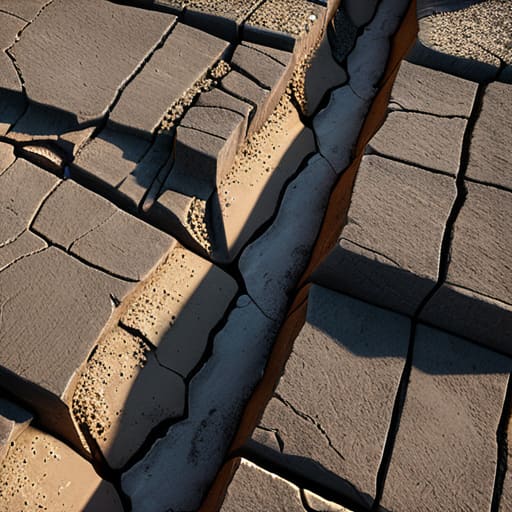
I’ve spent forty-three years watching men pride themselves on a smooth finish, only to see that same finish cracked and undermined six months later because they skipped the groundwork. Real craftsmanship isn’t about what looks good when the truck leaves the site; it’s about the invisible systems you put in place to protect your work for the next twenty years. Do the job right the first time. Plan for the water, respect the terrain, and build something that lasts instead of something that just looks good for the handover.
Frequently Asked Questions
If I've got a solid sub-base and a good slab, does the way I slope the ground actually matter for the drainage, or is the pipework doing all the heavy lifting?
Listen, if you think the pipework is doing all the heavy lifting, you’re asking for a nightmare. A pipe is just a straw; it only works if you actually get the water to the mouth of it. You can have a perfect sub-base and a slab that’d make a mason weep, but if your falls are lazy, that water is just going to sit there, pooling against your edge or finding a way under your footing. Gravity doesn’t care about your expensive pipes if you haven’t given the water a clear path to get to them.
How do I know if my connection is actually going to handle a heavy downpour, or if I'm just creating a bottleneck that'll back up under my foundations?
Look, you don’t guess this; you check the math and the slope. If your pipes are undersized for the catchment area you’ve paved over, you’re asking for trouble. But more importantly, check your fall. If that water isn’t moving with purpose toward the outlet, it’ll sit, silt up, and eventually back up right under your footings. If you haven’t accounted for the peak flow during a proper soak, you aren’t building a connection—you’re building a reservoir.
When am I going to see the real trouble—is it a failure in the pipe itself, or is it the way the surrounding soil reacts when those connections get overwhelmed?
You’re looking at the wrong thing. If you’re waiting for a pipe to snap, you’re waiting for a miracle. The pipe is usually the last thing to go. The real trouble is what happens to the ground around it. When those connections get overwhelmed, the water doesn’t just sit there; it finds the path of least resistance, turns your sub-base into soup, and washes out the very support your slab relies on. That’s when you get the cracks.