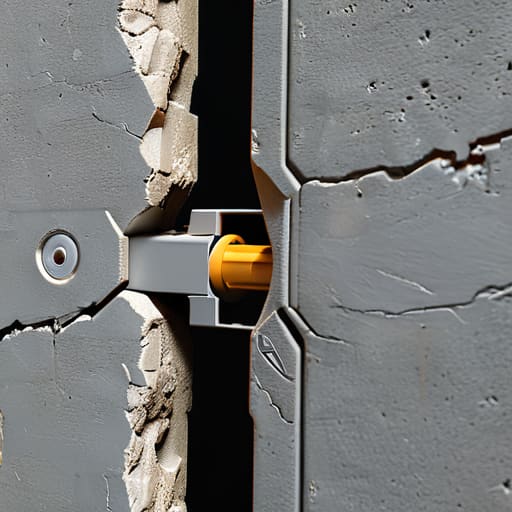
I’ve lost count of how many times I’ve stood on a driveway, looking at a homeowner who’s convinced they need to hire a structural engineer or buy some fancy laser-leveling kit just to figure out how to monitor cracks. They’re staring at the surface, panicking about the width of a hairline fissure, while completely ignoring the real story. I remember a job back in ’98—a lad called me out because his patio was splitting, and he’d spent a fortune on “crack monitoring gauges” he’d bought online. I didn’t even look at the concrete first; I went straight for the sub-base. The crack wasn’t the problem; it was just the symptom of a foundation that had been laid on nothing but loose muck and optimism.
If you’re looking for a textbook manual filled with academic jargon, you’ve come to the wrong place. I’m going to tell you exactly how to tell the difference between a bit of seasonal movement and a proper disaster waiting to happen. We aren’t going to waste time on the surface fluff; I’ll show you how to track the movement, what to look for in the surrounding ground, and when you actually need to pick up the phone and call a professional.
Table of Contents
Using a Crack Width Gauge to See the Truth
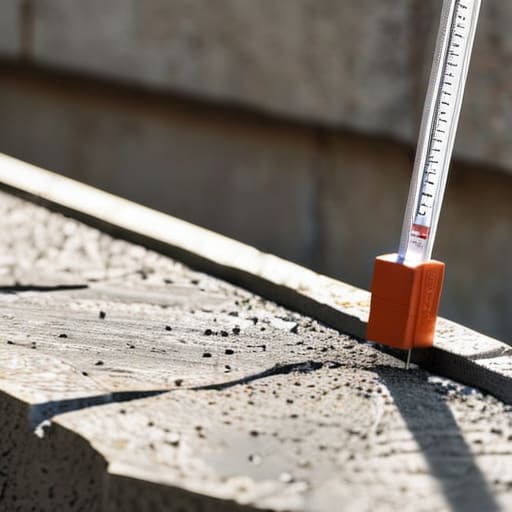
Now, don’t go trying to eyeball a fissure and tell yourself it’s “just a hair” wide. I’ve seen plenty of blokes do that right before a slab starts heaving. If you want to know if you’re dealing with a settling surface or a real problem, you need to get a proper crack width gauge in your hand. It’s a simple bit of kit, but it’s the only way to stop guessing. You place the gauge across the opening and see exactly how many millimetres you’re looking at. It’s not about being precious; it’s about having a number to show for your time.
The real trick isn’t just measuring once; it’s monitoring crack progression over weeks or months. A crack that stays exactly the same size is usually just a shrinkage issue from when the mix was drying. But if that gauge shows the gap widening by even a fraction every time you check it, then you’ve got a movement problem. At that point, you aren’t just looking at a cosmetic nuisance anymore—you’re looking at a situation that requires a proper structural engineer inspection before the whole thing decides to move on you.
Monitoring Crack Progression vs Watching Paint Dry
Now, listen. There is a massive difference between seeing a hairline fissure and actually monitoring crack progression with any sort of purpose. Most people see a crack, panic, and start calling around for quotes to patch it up. That is a waste of time and money. You aren’t trying to fix the surface; you’re trying to figure out if the house is trying to walk away from the ground. If you aren’t recording the size and direction of that gap over weeks or months, you’re just guessing.
You need to treat this like a proper foundation movement detection exercise. Get yourself a notebook and a pencil. Mark the ends of the crack, note the date, and measure the width. If that gap stays the same through a dry spell and a wet one, you’ve likely got a shrinkage crack from a bad pour. But if it’s growing every time the ground gets soaked, you’ve got a real problem with the sub-base or the drainage. If the numbers start jumping, stop playing DIY expert and get a structural engineer inspection sorted immediately. You can’t patch your way out of a shifting foundation.
Stop Guessing and Start Tracking: Five Ways to Know if That Crack is Moving
- Mark your territory with a pencil. Don’t just look at the crack and hope you remember if it’s wider; take a fine pencil and draw a tiny line across the fissure at both ends. If the crack moves past your mark, you aren’t dealing with a settling slab, you’re dealing with a moving problem.
- Use a tell-tale, not a prayer. If the crack looks serious, don’t just eyeball it. Buy a proper crack monitor—one of those little plastic gauges that screws into the surface. It takes the guesswork out of it and gives you hard numbers to show a professional so they don’t think you’re just a worried homeowner.
- Watch the weather, not just the concrete. If you see a crack widen after a week of heavy rain, it’s a dead giveaway that your sub-base is washing out or your drainage is non-existent. A crack that reacts to moisture is a crack that’s telling you the ground underneath is failing.
- Check the depth, not just the surface. If you can stick a thin screwdriver or a probe into the crack and it goes deep, you’ve got a structural issue. If it’s just a hairline surface crazing, it’s likely just the top layer drying too fast, but don’t let a shallow crack fool you into thinking the whole slab is sound.
- Keep a damn good logbook. Write down the date, the width, and what the weather was like. If you come back in six months and see the crack has jumped from 2mm to 5mm, you’ll have the evidence you need to know it’s time to stop patching it and start digging it out.
Stop Chasing the Symptom and Start Watching the Ground
At the end of the day, monitoring a crack isn’t about being obsessive; it’s about being smart enough to know when a hairline fracture is just a bit of settlement and when it’s a sign that your foundation is in real trouble. You’ve got your gauge, you’ve got your dates marked, and you know that if that width is growing faster than a weed in July, you’ve got a problem. Remember, the crack itself is rarely the killer—it’s the shifting sub-base or the water ingress underneath that does the real damage. If you aren’t looking at the movement over time, you’re just watching the symptoms instead of diagnosing the disease.
I’ve spent forty-three years watching people panic over a surface crack that meant nothing, while ignoring the slow, steady creep of a structural failure that meant everything. Don’t let the surface fool you. If you take the time to do this right—to actually measure, to document, and to respect the physics of the ground—you’ll save yourself a massive headache and a lot of wasted money down the line. Concrete is a stubborn, honest material; if you listen to what the cracks are telling you, it’ll tell you exactly how much time you have left before things go south.
Frequently Asked Questions
If the crack looks the same for a month, does that mean I can finally stop worrying about it?
Don’t get complacent just because the crack’s been sitting still for four weeks. A month of nothing doesn’t mean the job’s done; it just means the ground has settled into its current mistake. You keep checking it. If it hasn’t budged, you’ve likely got a stable settlement issue. If it starts creeping again, you’ve got something moving underneath. Keep that gauge handy—I’ve seen “stable” cracks turn into structural nightmares overnight.
When does a hairline fracture stop being a cosmetic nuisance and start being a sign that my sub-base has actually failed?
If it’s just a hairline that stays the same size, leave it be. But the second that crack starts growing, or if you see the edges lifting like a scale, you’ve got a problem. A cosmetic crack stays on the surface; a structural failure moves through the slab. If that gap gets wider after a heavy rain or a frost, it’s not the concrete talking—it’s your sub-base shifting underneath because it wasn’t compacted right.
Should I be looking for cracks that are just on the surface, or am I looking for the ones that are actually moving the slab?
If you’re only looking at surface crazing—those tiny spiderwebs that look like dried mud—you’re wasting your time. Those are just skin deep. You need to be looking for the cracks that are actually moving the slab. If a crack is wide enough to catch a coin, or if you see the edges offset like a step, that’s a structural headache. That means the ground underneath has given up or the sub-base wasn’t compacted right.