I’ve lost count of how many times I’ve stood on a job site watching some lad in a clean high-vis vest poke at a hairline fracture with a clipboard, acting like he’s solving a grand mystery. He’ll talk about thermal expansion or mortar tension, but he’s looking at the symptoms, not the cause. Most people think that figuring out how cracking in masonry is diagnosed involves expensive sensors or high-tech structural surveys, but they’ve got it backwards. If you want to know why a wall is splitting, you don’t start by staring at the bricks; you start by looking at the ground underneath them. A crack is just the masonry’s way of screaming that something went wrong long before the first trowel even touched the mortar.
I’m not here to sell you on fancy gadgets or complicated jargon that costs a fortune. I’m going to tell you exactly how I’ve done it for forty-three years, focusing on the stuff people usually ignore: the sub-base, the drainage, and the way the weather treated the mix while it was setting. I’ll show you how to spot the real culprits so you don’t waste a penny patching up a wound that’s still bleeding from the foundation.
Table of Contents
Seeing Beyond the Surface With Masonry Inspection Methods
When you’re standing there staring at a crack, you’ve got to stop looking at the surface and start thinking like a detective. Most people think a crack is just a line in the brick, but I see it as a symptom. If you want to get it right, you need proper masonry inspection methods that look at the whole picture. I don’t just poke the crack with a screwdriver; I look for foundation settlement signs in the surrounding ground. If the earth is moving or the sub-base wasn’t compacted properly, that wall is going to keep moving no matter how much mortar you shove into the gap.
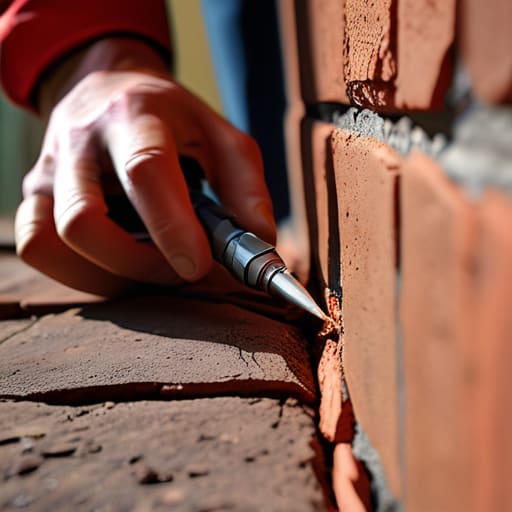
You also need to be smart about how you measure the damage. Don’t just eyeball it. Using proper crack width measurement techniques tells you if the movement is active or if the structure has finally found its seat. I’ve seen plenty of lads try to patch up thermal expansion cracks that were perfectly normal for the season, only to have them reappear because they didn’t understand the movement. You aren’t just looking for a hole; you’re looking for the story the building is trying to tell you.
Identifying the Real Foundation Settlement Signs
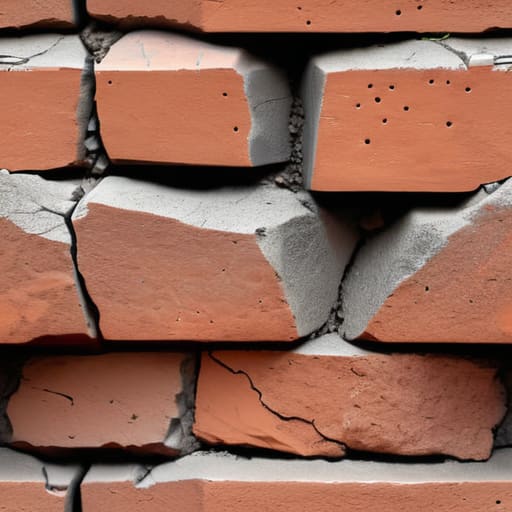
Now, don’t go getting distracted by a hairline fracture and thinking the house is coming down. You’ve got to look at the pattern. If you see diagonal cracks stepping through your bricks, that’s a different animal entirely than a simple bit of shrinkage. You’re looking for foundation settlement signs that tell a story. A crack that’s wider at the top than the bottom is a screaming red flag that one corner of your footings has decided to sink into a patch of soft clay or a poorly compacted sub-base. I’ve seen many a lad try to patch those up with some fresh mortar, but you’re just painting over a sinking ship.
You also need to keep an eye on your mortar joint deterioration. If the joints are crumbling or bowing out, it usually means the load isn’t being distributed like it should be because the ground is shifting underneath. I always tell people to check if the cracks follow a seasonal pattern; if they open up in the summer and close in the winter, you might just be dealing with thermal expansion cracks. But if that gap stays constant regardless of the weather, then you’ve got a real movement problem on your hands.
Stop Looking at the Cracks and Start Looking for the Cause
- Check the width and direction first; a hairline crack is just the house breathing, but a stair-step crack through the mortar means your sub-base has given up the ghost and the ground is moving.
- Look for the “tell-tale” signs by fixing a piece of glass or a plaster gauge across the crack; if it snaps or shifts, you aren’t dealing with old settlement, you’re dealing with an active, ongoing failure.
- Inspect the moisture levels around the perimeter, because if the ground is saturated or the drainage is rubbish, that masonry isn’t cracking—it’s being pushed by the very earth it’s sitting on.
- Don’t just stare at the wall; go out and walk the ground around the structure to see if there’s any dipping or soft spots in the soil that suggest the compaction was skipped during the initial dig.
- Watch the weather patterns against the damage; if the cracks widen every time we get a heavy soak or a hard frost, you’ve got a drainage or a curing issue that’s letting water get into the heart of the build.
The Hard Truth About the Fix
Look, if you’ve followed what I’ve said, you know that diagnosing a crack isn’t about picking out a new bag of mortar or slapping some filler in a gap to make it look pretty for the neighbors. It’s about tracing that line back to the source—whether it’s a sub-base that wasn’t compacted properly, a drainage issue that’s turned your ground into soup, or a mix that was ruined by too much water on site. You can spend all day staring at the bricks, but if you don’t address the movement underneath, you’re just painting over a disaster. A proper diagnosis means looking at the settlement, checking the moisture, and understanding that the masonry is just the messenger.
At the end of the day, I’ve seen too many blokes try to fix the symptom instead of the cause, and they end up paying for it twice. My advice? Don’t be in such a rush to pour or patch that you skip the groundwork. If you take the time to do the investigation right—the slow, boring, unseen work—you’ll build something that actually lasts. It’s not about being fast; it’s about being right. Because once that concrete sets and the walls are up, the ground doesn’t care how much you paid for the materials; it only cares if you gave it a solid place to sit.
Frequently Asked Questions
If the cracks look like they're just in the mortar, is it a simple repointing job or is something deeper moving underneath?
Don’t let a clean line of mortar fool you into thinking it’s just a cosmetic fix. If the crack is following the joints, sure, you might just need to rake it out and repoint it. But if those mortar lines are stepping or widening, the wall is trying to tell you something. I’ve seen plenty of “simple” repointing jobs fail six months later because the sub-base underneath was shifting. If the mortar’s moving, the structure’s moving.
How can I tell if a crack is just "settling" from a new build or if the sub-base has actually failed?
Look, if it’s a new build, you’ll see hairline cracks—tiny things that look like they’re just breathing with the house. That’s usually just the structure finding its feet. But if that crack is wider than a tenner, or if you see the ground dipping or pulling away near the footing, you’ve got a sub-base problem. If the crack is growing or following a pattern, the ground has moved. The concrete isn’t the issue; the foundation’s lost its seat.
Does the width of the crack tell me how much trouble I'm in, or is it more about the direction the crack is heading?
Look, a wide crack is a headache, but a directionless crack is a nightmare. If I see a hairline fracture running vertically, I’m looking at shrinkage or a bad mix. But if that crack starts stepping diagonally through your mortar joints, you’ve got a movement problem. Width tells me the scale of the damage, but the direction? That tells me exactly where the ground is giving way. Watch the path, not just the gap.