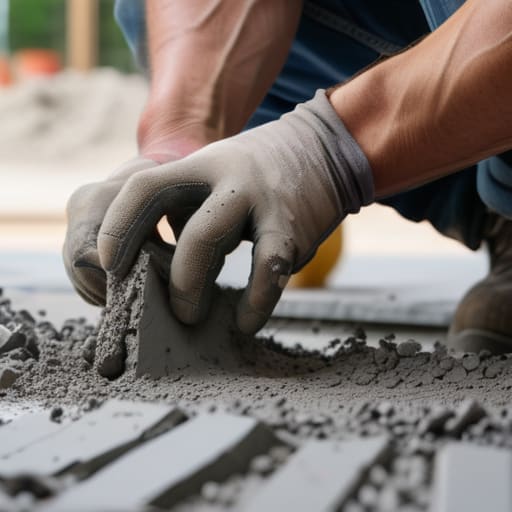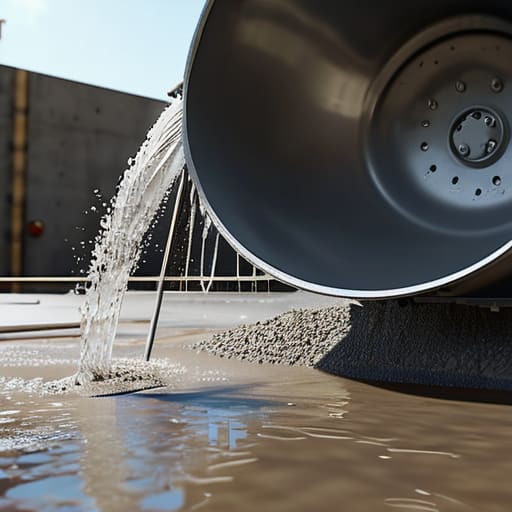
I can still see it vividly: a Tuesday morning in mid-July, the heat was thick enough to chew, and a young lad on a new job decided the mix looked a bit “stiff” for his liking. He grabbed the hose, thinking he was doing everyone a favour by making it easier to spread, completely oblivious to how adding water on site ruins a pour. I watched him turn a perfectly engineered, high-strength mix into a soupy, weak mess in under sixty seconds. By the time the sun went down, that slab was already weeping moisture, and I knew right then that the structural integrity was gone before the finish was even leveled.
I’m not here to give you a lecture from a textbook or some fancy engineering seminar. I’ve spent forty-three years watching people try to cheat the physics of concrete, and I’ve seen the cracks they leave behind. In this article, I’m going to tell you exactly why that extra splash of water is a death sentence for your slab and what actually happens to the chemistry when you mess with the ratio. I’ll give it to you straight: no fluff, no jargon, just the hard truth about why you need to leave the hose alone if you want a pour that actually lasts.
Table of Contents
The Water to Cement Ratio Impact You Cant Undo
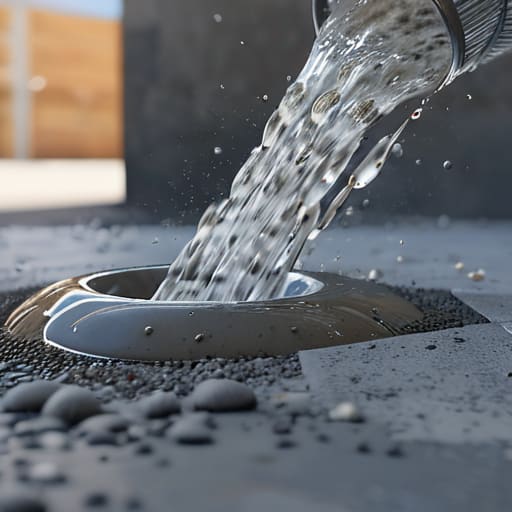
Look, I’ve seen it a thousand times. The driver pulls up, the mix looks a bit stiff, and the lad on the shovel thinks he’s being helpful by tossing a few buckets of water into the chute to make it “runnier.” He thinks he’s making life easier, but he’s actually sabotaging the chemistry. When you mess with that water-to-cement ratio impact, you aren’t just changing the texture; you’re diluting the glue that holds the whole thing together. You’re essentially creating a weaker, more porous version of what the plant actually sent you.
The real trouble starts once that excess moisture begins to migrate. As the water evaporates, it leaves behind a microscopic network of voids, and that’s where you see a massive concrete compressive strength reduction. It’s not just about it being “soft” at first; it’s about the structural integrity being shot before it even sets. You’ll end up with a slab that looks fine on Tuesday, but by next winter, the frost will find those tiny holes and tear it apart from the inside out. It’s a fundamental trade-off: you’re choosing temporary workability over long-term durability, and in my book, that’s a losing bet every single time.
Excess Water Segregation Risks That Kill Your Mix
When you start dumping water into the mixer just to get it moving easier, you aren’t just making it “workable”—you’re breaking the bond. What happens next is what I call the “separation stage.” The heavy stuff, your aggregate and sand, starts to sink to the bottom while that extra water rises to the top. This is the core of excess water segregation risks, and once that heavy stone settles at the base, you’ve lost your uniform mix. You end up with a slab that’s basically a layer of weak, watery paste on top and a pile of stones at the bottom.
It’s a disaster waiting to happen. As that surface water eventually evaporates, it leaves behind a network of tiny voids where the solid material should have been. This is where you see a massive concrete compressive strength reduction because the structure is essentially full of holes. You might think you’ve made the job easier for your finishers, but you’ve actually just traded a bit of convenience for a slab that will crumble under its own weight in a few years. A good slump test tells you what you need; anything beyond that is just sabotage.
Five Ways You're Sabotaging Your Own Job
- Stop chasing “workability” with a hose. If the mix is too stiff for your lads to spread, you don’t need a bucket of water; you need a proper superplasticiser. Adding water just to make it slide easier is a sucker’s game that trades immediate ease for a week of shrinkage cracks.
- Watch the slump like a hawk. Once that truck arrives, the mix is set by the batch plant. The moment you start dumping water in to “loosen it up,” you’re throwing the water-to-cement ratio out the window and turning your structural slab into something resembling wet sand.
- Mind the weather, not just the mix. If it’s a hot day, everyone’s tempted to add water to stop it setting too fast. That’s a trap. You aren’t cooling the concrete; you’re just creating a weak, porous surface that’ll flake off the first time the frost hits.
- Don’t let the lads “wash out” the mix. I’ve seen it a hundred times—boys getting impatient and using water to clean the tools or thin out a batch that’s sitting too long. You’re essentially washing the strength right out of the cement paste and leaving nothing but gravel behind.
- Check your sub-base before you even think about a pour. If you’re adding water to the mix because you’re worried about how it’s settling, you’ve already lost. A stable, compacted sub-base shouldn’t require you to mess with the chemistry of the concrete just to get it to behave.
Doing It Right the First Time
At the end of the day, it all comes down to what you’ve done to that mix before the screed hits it. You can’t just ignore the science of the water-to-cement ratio or pretend that segregation isn’t happening right under your boots. When you add that extra splash of water to make the mix “slump” better or easier to spread, you aren’t making your life easier; you are actively sabotaging the structural integrity of that slab. You’re trading long-term strength for a bit of temporary convenience, and the cracks will eventually tell the truth. If you want a pour that lasts longer than the next heavy rain, you have to respect the mix as it comes off the truck. Stop looking for the easy way out.
I’ve spent forty-three years watching men try to cheat the process, and I’ve seen the same failures repeat themselves decade after decade. It’s a hard lesson to learn, but the ground doesn’t lie and neither does a failed foundation. If you take the time to get the sub-base right, manage your weather, and—most importantly—leave the water in the drum where it belongs, you’ll build something that stands. There is a real, quiet pride in walking away from a finished job knowing it was done properly, not just done quickly. Build it to last, not just to finish the shift.
Frequently Asked Questions
If the mix is too stiff to work with, is there any way to fix it without just reaching for the hose?
Look, I get it. The mix arrives stiff, the lads are sweating, and you think you’re saving time by grabbing the hose. You aren’t. If you can’t work it, you don’t fix it with water; you fix it with a superplasticizer. It’s a chemical, not a shortcut. It thins the mix without breaking the bond. If you don’t have a plasticizer on hand, you’re better off calling the plant for a new load than ruining the one you’ve got.
How can I tell if the driver has already messed with the mix before it even gets to my site?
Look, you can’t see what happened in the drum, but you can see the results the second it hits the chute. If it looks like soup or flows like water instead of a thick, cohesive sludge, something’s wrong. Watch the aggregate; if the stones are sinking to the bottom and leaving a watery slurry on top, they’ve over-watered it. If it’s bleeding water like a fresh wound, walk away. Trust your eyes, not the driver.
Does adding a bit of water make a difference if I'm only talking about a small, non-structural garden path?
Look, I hear that one a lot. “It’s just a garden path, Bartosz, it’s not a skyscraper.” But concrete doesn’t know the difference between a driveway and a walkway; it only knows its chemistry. You add that extra splash to make it spread easier, and you’ve just invited shrinkage cracks to the party. It’ll look smooth for a week, then it’ll spiderweb and crumble. If you want it to last, use a plasticiser, not a hose.