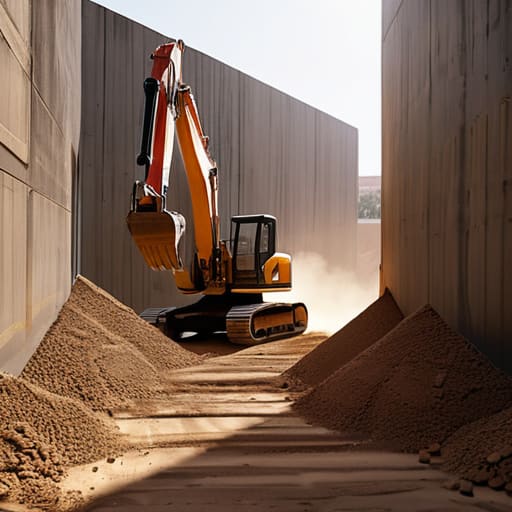
I remember standing on a site in North Yorkshire back in ’94, watching a lad try to manhandle a massive, high-spec tracked excavator into a narrow trench meant for a mini-digger. He’d spent the whole morning arguing with the hire company about horsepower, but he’d completely forgotten to look at the actual access. That’s the problem I see every single week: people think how plant is selected for groundwork is some complex mathematical equation involving engine torque and hydraulic flow rates. It isn’t. It’s about whether that machine can actually get to the work without getting bogged down or breaking your back. If you pick a machine based on a shiny brochure instead of the actual dirt you’re standing on, you aren’t being efficient—you’re just throwing money into a hole.
I’m not here to give you a lecture on technical specifications that you’ll never use on a real job. I’m going to tell you how it actually works when the weather turns foul and the sub-base isn’t as solid as the surveyor promised. I’ll show you how to match your iron to your soil so you aren’t fighting the ground all day long.
Table of Contents
The Real Cost of Wrong Excavation Machinery Selection Criteria
Look, I’ve seen lads try to save a few quid by hiring a mini-digger when the job calls for a 13-tonner, and it’s a bloody disaster every single time. They think they’re being clever with the budget, but they end up spending three times as much on fuel and man-hours because the machine is struggling to bite into the clay. When you’re looking at excavation machinery selection criteria, you aren’t just looking at the price of the daily hire; you’re looking at the clock. If that machine is too small, you’re not just slow, you’re digging a hole you can’t get out of—literally and financially.
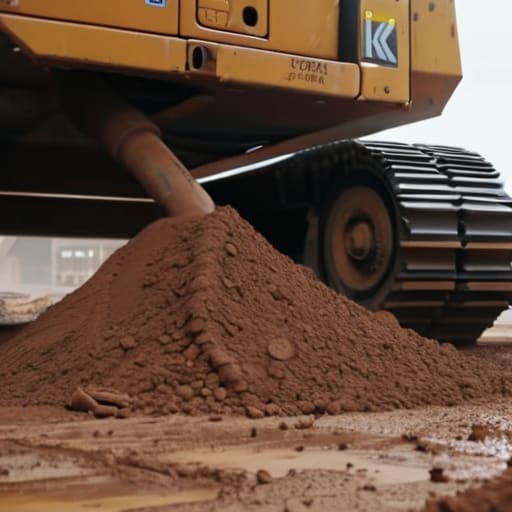
The real sting comes when the wrong kit messes up your sub-base. I once saw a site where they used a machine too light for the soil type, and it ended up churning the ground into a slurry instead of stripping it clean. Now you’ve got a mess that needs more hardcore just to stabilize the mess the machine made. That’s the hidden cost of ignoring proper site preparation equipment; you pay for it in wasted material and a foundation that’ll crack before the first winter even hits.
Site Preparation Equipment Setting the Stage Before the Concrete Arrives
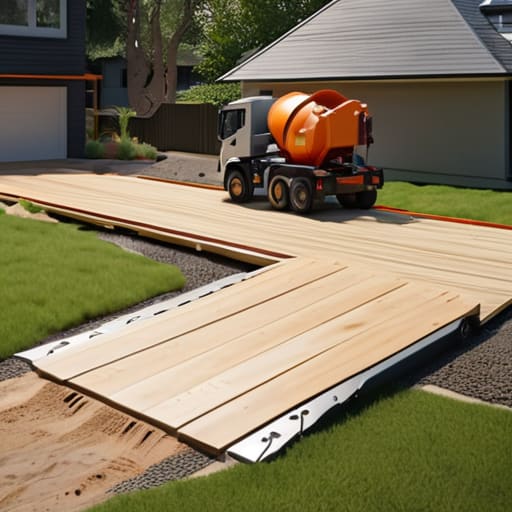
You can have the best mix design in the world, but if you’re pouring on top of a mess, you’re just wasting money. People get so caught up in the concrete delivery that they forget the real work happens in the dirt. When it comes to site preparation equipment, you aren’t just moving soil from A to B; you are engineering the foundation of everything that follows. If your roller isn’t heavy enough to actually compact the sub-grade, or if your grader is just skimming the surface without hitting the depth, that slab is going to crack before the first winter hits.
I’ve seen too many lads try to save a few quid by using a mini-digger where a 13-tonner was needed. They think they’re being efficient, but they’re actually just dancing around the problem. Proper earthmoving plant efficiency isn’t about how fast you can dig; it’s about how much time you spend doing it right the first time. If your compaction equipment doesn’t match the soil type, you’ll spend the next ten years listening to customers complain about subsidence. Get the ground sorted, or don’t bother calling the truck.
Five Rules for Picking the Right Iron Before You Break Ground
- Match your bucket to the ground, not the machine’s size. I’ve seen lads hire a massive 13-tonner thinking they’re being efficient, only to spend three days struggling with a narrow trench and a bucket that’s too wide for the service runs. If you’re working in tight spots or near existing footings, pick a machine that actually fits the space, or you’ll spend more time repositioning than digging.
- Don’t skimp on the compaction. You can hire the most expensive excavator in the county, but if you’re trying to settle a sub-base with a secondhand roller that hasn’t been serviced since the nineties, you’re just playing pretend. If that plate or roller doesn’t have the weight and the frequency to actually knit that sub-base together, you’re just laying a future crack.
- Check the reach before you commit. There is nothing more frustrating than getting halfway through a foundation dig only to realise your excavator can’t reach the far corner of the spoil pile without you constantly repositioning. It’s a massive waste of diesel and a massive waste of my time. Know your radius before the operator starts the engine.
- Respect the soil type when choosing your tracks. If you’re working on soft, wet clay and you show up with narrow steel tracks thinking you’re being clever, you’ll be bogged down before the first skip arrives. You need the right footprint to keep the machine stable and the ground from turning into a soup that no amount of compaction can fix later.
- Listen to the operator, not the brochure. A machine might look perfect on a spec sheet, but if the bloke in the cab tells you it’s struggling with the ground density or the hydraulic response is sluggish, believe him. The machine is only as good as the man working it, and a seasoned operator will tell you if the plant is too small for the job long before the first pour goes wrong.
The Bottom Line on the Ground
At the end of the day, selecting your plant isn’t about picking the flashiest machine or the one with the most expensive sticker price; it’s about the math of the ground you’re standing on. If you send a machine that’s too light to get a proper compaction on your sub-base, or a bucket that’s too wide to clean out a trench properly, you’ve already lost the battle. You can buy the highest grade, most expensive concrete mix in the country, but if your excavation and site prep gear didn’t do the heavy lifting of preparation correctly, that slab is going to crack before the first frost. Remember: the machine is only as good as the foundation it leaves behind.
I’ve seen too many young lads think they can make up for poor groundwork with a fast pour and a bit of luck. Let me tell you, luck doesn’t hold up a driveway or a warehouse floor. Take the time to match your iron to your soil, respect the sequence of the job, and never, ever rush the prep just to get the trucks moving. If you get the groundwork right, the rest of the build follows a rhythm. Do it right the first time, and you’ll sleep better knowing that what’s underneath is as solid as the finish you’re aiming for.
Frequently Asked Questions
If I've already got the right excavator, how do I know if I'm wasting money on a machine that's too big for the actual soil compaction needs?
Look, if you’re bringing a 13-tonner to do the work of a midi because you want to “get it done fast,” you’re being a fool. You’ll crush the very sub-base you’re trying to build. A machine that’s too heavy doesn’t just waste diesel; it creates massive over-compaction that destroys the soil structure, leaving you with a layer of crushed dust that’ll settle and crack your slab in two years. Match the weight to the depth and the soil type, or don’t bother.
When is it actually worth hiring a specialist compaction rig instead of just making do with a standard site roller?
If you’re just doing a little patio or a garden path, a standard roller is fine. But if you’re looking at a heavy-duty slab or a driveway that’s going to see any real weight, don’t be a hero with a small machine. You hire the specialist rig when the soil is stubborn—clay, silty ground, or anything that won’t settle. If you don’t get that sub-base packed tight with the right gear, that concrete will crack before the first frost.
How do I figure out the balance between hiring the latest, most efficient kit and sticking with the older, reliable iron that I know won't break down halfway through a pour?
Look, I’ve seen lads lose a whole day’s profit because they hired a fancy new machine with more sensors than a spaceship, only for it to throw a fault code the minute it hit heavy clay. If you’re doing a delicate finish, get the new kit. But if you’re moving muck to prep a sub-base, give me the old, heavy iron any day. Reliability beats efficiency when the weather turns and the clock is ticking.