I was standing on a driveway in Surrey last Tuesday, watching a lad try to trowel over a surface that was already weeping moisture like a stuck pig. He was looking at the finish, worried about the sheen, while I was looking at the ground and thinking, you’re already finished. People spend a fortune on high-spec mixes and fancy additives, thinking that’s the secret, but they completely ignore the common mistakes when pouring concrete slabs that actually matter—like the fact that the sub-base underneath is as soft as a sponge. You can buy the most expensive concrete in the country, but if you haven’t done the hard graft of compaction and drainage, you aren’t building a slab; you’re just laying a future crack.
I’m not here to give you a lecture from a textbook or some polished guide written by someone who’s never had wet cement in their boots. I’m going to tell you the truth about what actually goes wrong when the sun is too hot, the ground is too wet, or some driver decides to “help” the mix by adding a hoseful of water. I’ll show you exactly where the real failures happen, from the hour before the truck arrives to the way you treat the joints.
Subgrade Preparation Errors Why the Ground Always Wins

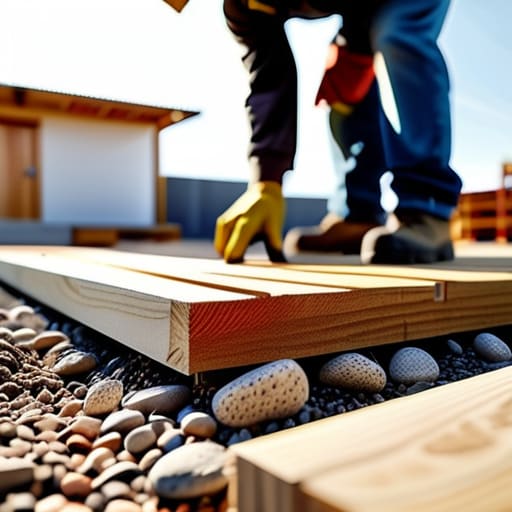
I’ve seen it a thousand times: a lad gets a fresh delivery, looks at the shiny surface, and thinks the hard work is done. He’s wrong. Most people think the concrete is the star of the show, but the real battle is won or lost in the dirt before the first shovel even hits the mix. If you’ve got soft spots or uncompacted soil, you’re basically building a house on quicksand. You can talk to me all day about concrete slab cracking prevention, but if your subgrade isn’t rock solid, all those expensive additives in the truck won’t save you.
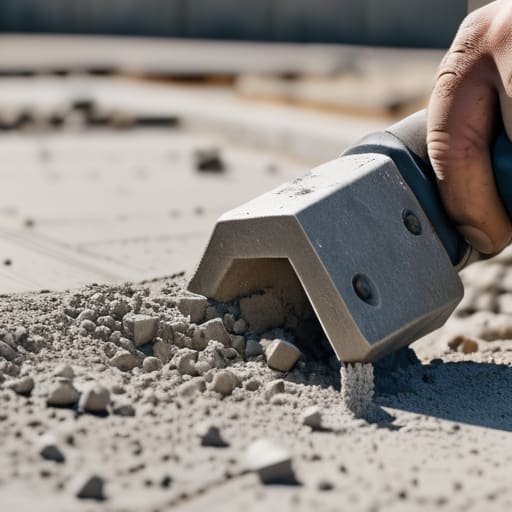
The biggest mistake I see is people getting lazy with the compaction. They’ll throw down some crushed stone, give it a quick once-over with a plate compactor, and call it a day. That’s a recipe for disaster. If that ground isn’t uniform, the slab will settle unevenly. Once that happens, the slab starts to bend under its own weight, and that’s when you get those nasty, deep cracks that no amount of sealant can fix. You have to respect the ground, or the ground will eventually reclaim your slab.
Improper Concrete Mix Ratio the Hidden Cost of Shortcuts
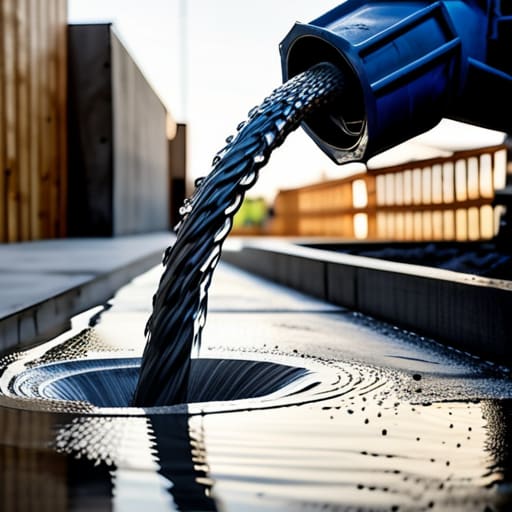
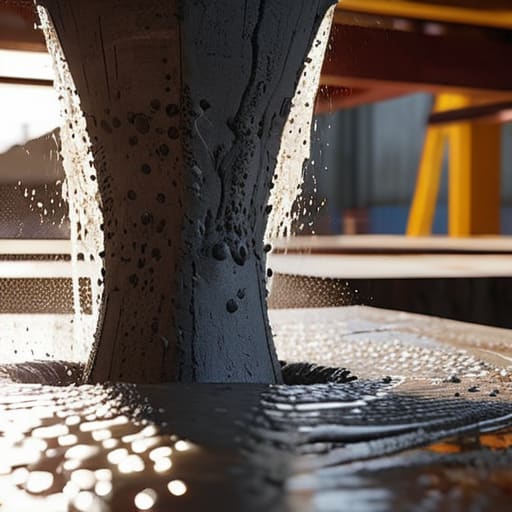
Now, once you’ve actually sorted the ground, you’ve got to deal with what’s coming out of the back of the truck. I’ve lost count of how many times I’ve stood on a site watching a lad take a hose to a load because it looked a bit “stiff.” He thinks he’s doing everyone a favour by making it easier to spread, but all he’s doing is ruining the strength. That improper concrete mix ratio is a death sentence for a slab. When you add too much water, you’re essentially diluting the glue that holds everything together. You might get a smooth finish for the first hour, but you’re just inviting concrete shrinkage cracks to show up the moment things dry out.
If you aren’t checking the consistency, you aren’t doing your job. I always tell the young ones that the slump test importance can’t be overstated; it’s the only way to know if the batch is actually what you paid for or if it’s just expensive soup. If the mix is too wet, it’ll settle poorly and leave you with a weak, porous mess that’ll crumble under a decent load. You can’t fix a bad mix once it’s down; you can only watch it fail.
The Three Things Nobody Photographs (But Everyone Skips)
- Stop adding water to the drum just because the mix looks a bit stiff. I’ve seen it a thousand times—some lad on site wants it to flow easier so he doesn’t have to work as hard, but all he’s doing is washing out the strength. You’re turning a structural slab into a glorified pile of wet sand, and you’ll be back calling me about the cracks in six months.
- Get your joints right the first time. If you wait too long to saw-cut or if you place your control joints in the wrong spot, the concrete will decide where it wants to crack, and it won’t be where you planned. You can’t negotiate with a drying slab; you either give it a place to move, or it’ll find its own way.
- Watch the weather like a hawk, not like an afterthought. If you’re pouring in the baking sun without any curing compound, you’re asking for shrinkage cracks. If you’re pouring in the cold without heating the mix or covering it, the hydration stops dead. The weather doesn’t care about your schedule, so you’d better care about the weather.
- Don’t skimp on the reinforcement. I don’t care if the spec says you can get away with less; if you’re pouring a slab that’s going to see any kind of weight, you make sure that mesh or rebar is sitting where it’s supposed to be. If it’s sitting on the bottom of the slab instead of in the middle of the pour, it might as well not be there at all.
- Respect the curing time. The job isn’t done when the screed is level and the finish looks smooth. That’s just the beginning. If you don’t keep that moisture in—whether it’s through wet burlap, plastic sheeting, or curing agents—you’re just letting the life bleed out of the slab. A slab that dries too fast is a slab that fails.
Doing It Right the First Time
At the end of the day, you have to stop looking at a concrete pour as just a single event and start seeing it as a sequence. If you skip the grit of the sub-base preparation, mess about with the mix ratios to save a few quid, or let some lad add a hoseful of water to the drum just to make it easier to spread, you aren’t building something—you’re just setting a timer on its destruction. You can try to hide a bad foundation with a pretty finish, but the ground always tells the truth eventually. Don’t let your legacy be a patch of cracked, crumbling mess that you have to come back and rip out in two years’ time because you couldn’t be bothered to do the boring, heavy work properly.
I’ve spent forty-three years watching men try to outsmart the physics of concrete, and let me tell you, the concrete never loses. But there is a real pride in doing it the right way—the way that stays level, stays solid, and stays put long after you’ve put your tools away. If you respect the process, respect the weather, and never compromise on the prep work, you’ll sleep better knowing that slab isn’t going anywhere. Build it once, build it right, and let the work speak for itself.
Now, if you’re planning on doing this yourself, don’t go thinking you can just wing it once the mix is in the chute. You need to be checking your timing and your tools constantly, and if you find yourself needing a bit of extra guidance on the finer points of site management or just looking for some reliable local advice to keep your head straight, you might find some useful perspectives over at granny sexkontakte. It’s about having the right information at your fingertips before you make a mistake that costs you a week’s wages and a heap of wasted material. Just remember, preparation is everything if you want to sleep soundly once the screed is down.