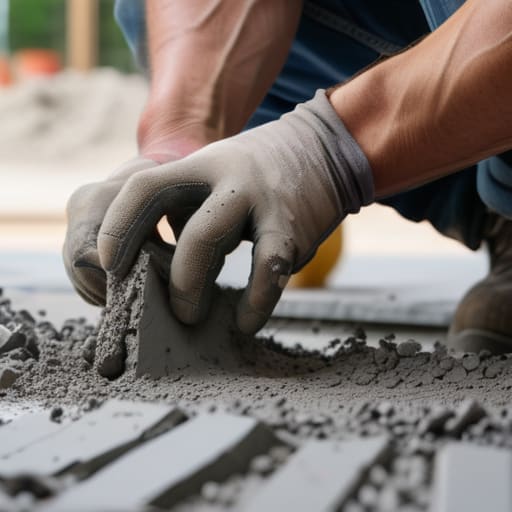
I’ve lost count of how many times I’ve stood on a job site, watching some lad in a clean high-vis vest poke at a hairline crack with a clipboard, acting like he’s discovered something profound. He’s looking at the surface, measuring the width of the split like it’s the smoking gun, but he’s missing the entire point. If you want to know how to assess existing concrete properly, you need to stop obsessing over the cracks themselves and start looking at what’s happening underneath them. Most people think a failing slab is a concrete problem, but after forty-three years of pouring, I can tell you that the concrete is rarely the culprit; it’s usually the sub-base that’s been lying to you from day one.
I’m not here to sell you on expensive ultrasonic testing or some fancy laboratory analysis that costs more than the slab is worth. What I’m going to give you is the straight truth based on four decades of seeing exactly where things go wrong. I’ll show you how to spot the difference between a surface-level nuisance and a structural disaster, focusing on the things that actually matter: the ground, the moisture, and the way the load is being carried. We’re going to look past the pretty finish and get down to the bones of the build.
Table of Contents
Why Concrete Degradation Analysis Starts Below the Finish
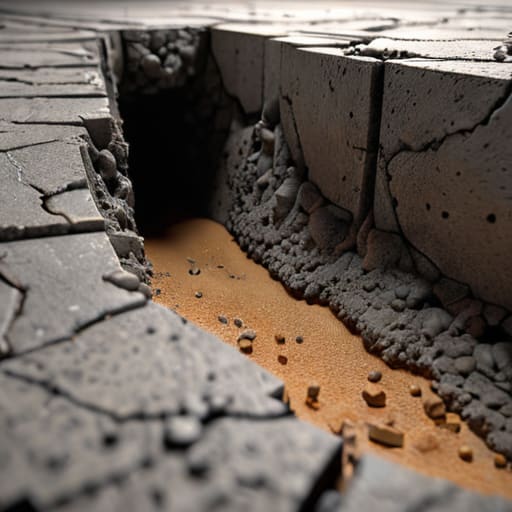
You can stare at a hairline crack all day long, but that crack is just the symptom, not the disease. If you want to do a proper concrete degradation analysis, you have to stop treating the slab like a tabletop and start treating it like a lid. Most people come to me pointing at a surface fault, but I’m looking at the void underneath. If the sub-base wasn’t compacted properly or if the fines have washed away, it doesn’t matter if you poured the highest grade mix in the world; that slab is going to move.
When I’m called in for a serious structural integrity inspection, I’m not just looking for surface spalling. I’m thinking about what’s happening in the dark. Sometimes you need to get technical with non-destructive testing methods to see what the eyes can’t, like checking if the ground has settled or if the moisture levels are playing havoc with the bond. You can run all the concrete compressive strength testing you like, but if the foundation is sitting on a bed of uncompacted sand and silt, you’re just measuring the strength of a sinking ship.
Finding the Truth Through Non Destructive Testing Methods
Now, listen. You don’t always need to go in with a sledgehammer and start smashing holes in a slab just to see what’s going on inside. There’s a way to do things properly without making a mess of the site, provided you know which tools actually tell the truth. If you’re looking for a real structural integrity inspection, you want to use non-destructive testing methods that let you peer into the soul of the pour without destroying the surface.
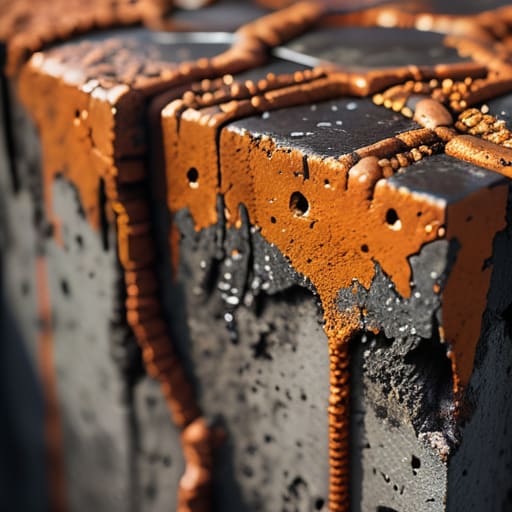
I’ve seen lads try to guess the strength by tapping on it with a hammer like they’re testing a melon. That’s nonsense. If you want the facts, you look at things like ultrasonic pulse velocity testing to see how dense the mix actually is, or you get a proper machine for rebar location detection. If you don’t know exactly where that steel is sitting—or if it’s even there at all—you’re just guessing. You can spend all day staring at a crack, but until you use the right kit to see what’s happening beneath the skin, you’re just whistling in the dark.
Five Things I Look For Before I Even Pick Up a Hammer
- Stop looking at the cracks and start looking at the pattern. A single, wandering crack might just be a bit of shrinkage, but if you see a web of them or a line that follows the edge of the slab, you aren’t looking at a concrete problem—you’re looking at a settlement problem. The slab is just telling you the ground underneath has moved.
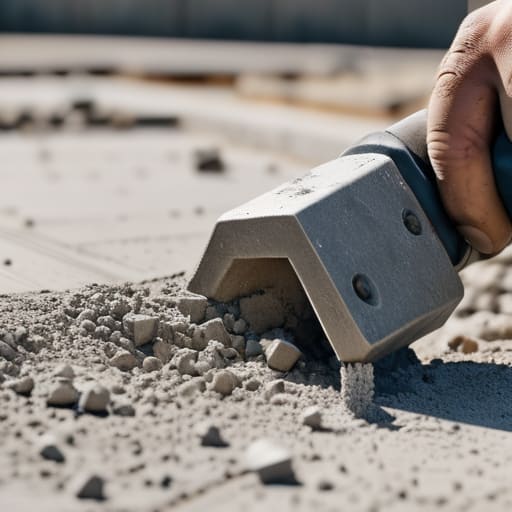
- Carry a heavy hammer and listen to the sound. I don’t care what the paperwork says; I want to hear the truth. Give the slab a good rap. If it gives you a sharp, ringing sound, it’s solid. If it sounds hollow or dull, you’ve got delamination or a void underneath, and no amount of patching is going to fix a slab that isn’t sitting on something firm.
- Check the edges and the corners first. Most people focus on the middle of the pour, but the trouble usually starts where the slab meets the soil or a wall. If the edges are crumbling or spalling, it’s a dead giveaway that the sub-base wasn’t compacted properly or the concrete was too wet when it went in.
- Look for the “water tell.” If you see staining, efflorescence—that white, powdery salt stuff—or moss growing in the joints, you’ve got a drainage issue. If water is sitting under that slab or getting trapped in the joints, it’s going to chew through the concrete from the inside out, no matter how high the PSI was.
- Don’t trust a level surface. If you see a dip or a swell in an old slab, don’t just assume it’s uneven. Get down on your hands and knees and see if it’s a surface fault or if the whole section has slumped. If the ground has shifted, that slab is a ticking time bomb, and you’ll be back there fixing it in two years if you don’t address the base now.
Stop Guessing and Start Digging
At the end of the day, assessing concrete isn’t about being a magician; it’s about being a detective. You’ve looked at the surface cracks, you’ve considered the non-destructive tests, and you’ve weighed up the environmental factors. But if you walk away from a job without knowing what’s happening underneath the slab, you’re just guessing. You have to remember that the concrete is only as good as the sub-base it sits on and the way it was cured in those first critical hours. If the ground is shifting or the mix was watered down on-site to save a bit of elbow grease, no amount of surface patching is going to save you. Don’t treat the symptoms without finding the cause.
I’ve spent forty-three years watching people try to fix the wrong things. They spend a fortune on high-end resins and decorative overlays, only to watch it all buckle six months later because they ignored the foundation. My advice? Do the hard work upfront. Take the time to understand the history of the pour, check your compaction, and respect the science of the material. When you stop looking for the easy fix and start looking for the actual truth, you stop being a man with a trowel and start being a professional. Build it right, or don’t bother building it at all.
Frequently Asked Questions
If the concrete looks solid on top but I'm seeing cracks, how do I know if it's just a settling issue or if the sub-base has completely washed out underneath?
Stop looking at the crack and start looking at the movement. If it’s just a settlement crack, you’ll see it’s stable—maybe a bit of hair-line weathering, but it stays put. But if that sub-base has washed out, that crack is going to be “live.” Get a piece of paper or a thin ruler; if you can see light through it or if the gap grows after a heavy rain, you don’t have a concrete problem. You have a hollow underneath.
When should I stop relying on visual inspections and actually bother paying for a core sample or a professional test?
If you’re seeing hairline cracks that look like spiderwebs, you can keep staring at them all day, but you aren’t learning anything. You stop guessing and start paying for a core sample the moment the pattern changes—when cracks start widening, or when you see chunks actually spalling off. If the surface looks fine but the floor feels bouncy or hollow when you walk it, stop playing detective. That’s when you call in the pros.
How can I tell the difference between a crack that’s just a bit of cosmetic shrinkage and one that means the whole slab is structurally shot?
Look, if it’s a hairline crack that looks like a spiderweb on the surface, it’s likely just shrinkage—the concrete breathed and moved. Leave it be. But if that crack is wide enough to stick a screwdriver in, or if you see the edges are uneven like a miniature fault line, you’ve got a structural problem. If the crack follows the same path through the entire thickness, the slab isn’t just shrinking; it’s moving. And if it’s moving, the ground underneath has already failed you.