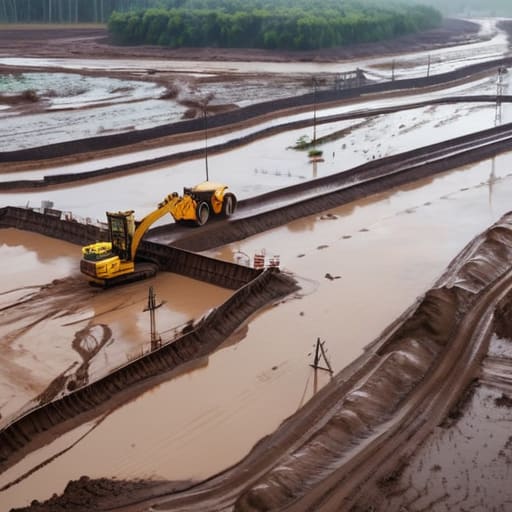
I remember standing on a site in ’94, watching a site manager stare at his clipboard like it was a magic wand that could dry out a bog. He had the concrete trucks booked for 08:00 sharp, but the excavation looked more like a soup kitchen than a foundation. He kept talking about his “optimized timeline,” completely ignoring the fact that you can’t build a house on a puddle. People love to treat a project schedule like it’s written in stone, but they forget that the real boss of the site is the muck under your boots. If you don’t understand how ground conditions affect programme, you aren’t managing a project—you’re just managing a series of expensive disasters.
I’m not here to give you some polished, boardroom lecture on geological surveying or fancy software. I’ve spent forty-three years watching men lose their shirts because they ignored the sub-base, so I’m going to tell you the truth about what actually happens when the earth doesn’t cooperate. I’ll show you why your planned dates are often nothing more than wishful thinking and how to spot the red flags in the dirt before the first truck arrives.
Table of Contents
Site Investigation for Schedule Accuracy or Just Expensive Guesswork
I’ve seen it a hundred times: a project manager walks onto a site with a shiny new programme, all neat little Gantt charts and optimistic dates, thinking they’ve mastered the clock. But unless they’ve actually looked at what’s under the topsoil, they aren’t managing a schedule—they’re just playing a high-stakes game of bingo. Most of these lads treat site investigation for schedule accuracy like a box-ticking exercise to satisfy the client, rather than the lifeline it actually is. They skip the trial pits or ignore the soft spots because it “costs too much time” upfront.
That’s a fool’s errand. You can save a week of budget on a survey, but you’ll lose three months when you hit a pocket of peat or a high water table halfway through your excavation. Once you’re staring at a flooded trench or a sub-base that won’t compact, your entire timeline is in the bin. You can’t just “speed up” the pour to make up for geotechnical risks in project management that you should have spotted weeks ago. If you don’t know what you’re digging into, you aren’t planning a build; you’re just waiting for the ground to ruin your week.
Geotechnical Risks in Project Management That Kill Your Timeline
You can look at a site plan all you want, but if you haven’t accounted for what’s actually hiding under the topsoil, you aren’t managing a project—you’re playing a lottery. Most lads think geotechnical risks in project management are just something for the engineers to worry about in an office, but I’ve seen it stall a site for weeks. You think you’re ready to pour, then you hit a pocket of soft clay or an unexpected spring that turns your sub-base into a soup. Suddenly, your schedule isn’t just slipping; it’s gone out the window because you’re waiting on extra muck-away lorries or specialized stabilization that wasn’t in the budget.
The real killer is when you ignore the groundwater impact on site works. If you don’t know where the water is going to sit when the clouds burst, you’re going to spend half your programme fighting the mud instead of laying foundations. You can try to patch it up with more hardcore, but if the soil stability and construction timelines aren’t aligned from the start, you’re just burying a problem that’ll come back to haunt you.
Five Things That’ll Sink Your Timeline Before You’ve Even Hit the Site
- Stop treating the sub-base like an afterthought. If you haven’t accounted for the time it takes to dig out the muck and replace it with proper, compacted hardcore, your programme is a fairy tale. You can’t pour on soft ground, and you can’t rush the compaction if you want it to stay put.
- Watch the sky, not just the clock. I’ve seen lads try to schedule a massive slab pour for a Tuesday because the paperwork says so, ignoring the fact that the forecast is looking wet. If the ground is saturated, you aren’t pouring, and that delay ripples through every single trade following you.
- Get your muck-away logistics sorted early. If you hit unexpected clay or groundwater, you’re going to be moving twice the volume of material you planned for. If you haven’t booked the extra skips and the extra trucks now, you’ll be sitting there staring at a hole in the ground while your budget bleeds out.
- Don’t skimp on the testing, even if the client is breathing down your neck about the start date. I’ve seen too many “fast-tracked” jobs fail because they skipped the compaction tests. Re-doing a failed sub-base takes three times longer than doing it right the first time.
- Factor in the “settling time.” You can’t just throw down a layer of stone and expect it to be ready for a slab ten minutes later. You need time for the layers to bed in and for the moisture levels to stabilise. If you try to skip the drying or settling period to save a day, you’ll spend a month fixing the cracks later.
The Bottom Line on Groundwork and Timelines
Look, you can have the best concrete mix in the world and a crew that works like clockwork, but if you’ve ignored the soil report or tried to shave a few quid off the site investigation, you’re just gambling with your reputation. I’ve seen it a thousand times: a project manager thinks they’re being efficient by skipping the deep digs, only to spend three weeks digging out soft spots and muck once the first slab is supposed to be going down. You cannot outrun the geology. If you don’t account for the drainage, the compaction, and the actual stability of that sub-base during your initial planning, your programme is nothing more than a work of fiction.
At the end of the day, a successful pour isn’t about how fast the trucks arrive; it’s about the confidence you have in what’s sitting beneath your boots. Don’t be the person who tries to build a house on a foundation of hope and guesswork. Do the work upfront, respect the ground you’re standing on, and treat the sub-base with the same respect you give the finished surface. If you get the ground right the first time, the rest of the job will follow a schedule. If you don’t, you’ll spend the rest of your career chasing shadows and explaining to angry clients why their driveway is sinking.
Frequently Asked Questions
If the site investigation says the ground is fine but I'm still seeing soft spots when we start digging, do I stop the programme or just keep pushing?
You stop. You stop right there. If you keep pushing, you aren’t managing a programme; you’re just managing a future disaster. That “soft spot” is telling you the site investigation was either wrong or incomplete, and it doesn’t care about your deadline. If you pour over muck, that slab will crack before the curing is even finished. Fix the sub-base now, or you’ll be back here in six months explaining why the foundations have sunk.
How much of a buffer should I actually build into my schedule for unexpected muck-away or extra sub-base if the initial reports were wrong?
If you’re relying on a paper report to tell you exactly how much muck you’re moving, you’re dreaming. I’ve seen “firm ground” turn into a swamp the moment the first excavator bites in. If the initial reports feel thin, I’d bake in at least a 20% contingency for muck-away and sub-base. It’s better to have a buffer sitting idle than to have a line of concrete trucks idling on the road while you’re still digging out the rot.
At what point does a change in ground conditions move from being a "minor delay" to a complete redesign of the foundation and slab?
It’s when you stop talking about “extra compaction” and start talking about “extra depth.” If you dig a trial hole and find you’ve gone from firm clay to running silt or organic muck, you aren’t just delaying the pour—you’re changing the math. Once you have to swap a standard slab for a raft or start looking at piles just to stop the thing sinking, your original programme is scrap. That’s not a delay; that’s a new job.