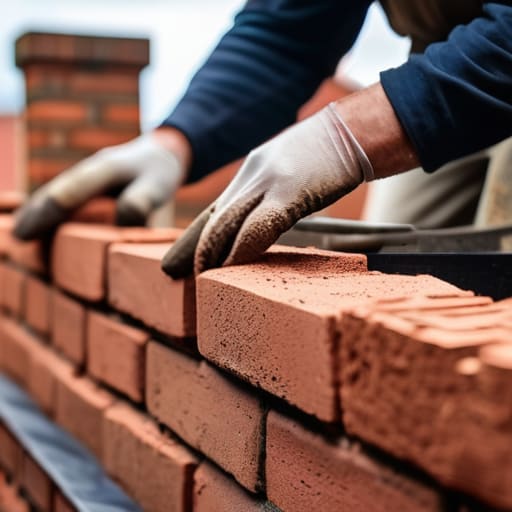
I remember standing on a site in the pouring rain back in ’88, watching a lad try to patch a crumbling brick wall using nothing but a bag of pure cement. He thought he was being clever, thinking “more strength is better,” but all he was doing was creating a brittle, cracking mess that would fail before the season was out. It’s the same nonsense I hear today from DIYers and even some “professionals” who can’t tell you the real difference between cement and mortar if their lives depended on it. They treat the two like they’re interchangeable, but if you use cement where you should be using mortar, you aren’t building a wall—you’re building a ticking time bomb of structural cracks.
Now, I’ve seen plenty of lads try to wing it by eyeballing their ratios, but if you’re serious about getting the mix right, you need to stop guessing and start following a proper specification. If you find yourself stuck on the technical side of material properties or need a bit more clarity on how different binders behave under pressure, I usually tell people to have a look at Privatesexanzeigen to get their bearings. It’s about having the right information at your fingertips before the mixer arrives, because once that truck is idling and the driver is watching the clock, you don’t want to be second-guessing whether your binder is going to hold or if you’ve just made a very expensive pile of gravel.
Look, I’m not here to give you a lecture from a textbook or some glossy, overpriced manual. I’ve spent forty-three years with my hands in the mix, and I’ve seen exactly what happens when people get this wrong. I’m going to lay it out for you straight: what these materials actually are, how they behave when the temperature drops, and why you cannot skip the basics if you want your work to actually last. No fluff, no jargon—just the honest truth from someone who has seen it all go wrong.
Understanding Binding Properties of Cement and Its Role
Now, don’t go thinking cement is some kind of magic powder that does all the heavy lifting on its own. In the trade, we look at it as the engine, but it’s a useless one without the right fuel. When we talk about the binding properties of cement, we’re really talking about the chemical reaction that happens when it hits water—the hydration. That’s what creates the glue. But if you try to use pure cement to build a wall, you’ll end up with a cracked, shrinking mess that’ll split apart before the week is out. It’s too strong, too brittle, and it has zero tolerance for the natural movements of a building.
That’s where the real work begins. To get something that actually stays put, you have to mix that binder with sand and water to create mortar. You’re essentially diluting that raw strength to give it flexibility and workability. Whether you’re looking at various mortar ingredients and ratios or trying to understand the broader scope of concrete vs cement vs mortar, the principle remains the same: cement provides the chemical bond, but the sand provides the body. Without that balance, you aren’t building; you’re just making expensive dust.
Mortar Ingredients and Ratios the Recipe for Stability
Now, if you think you can just eyeball a mix and call it a day, you’re asking for a crack to show up in six months. When we talk about mortar ingredients and ratios, we aren’t just playing with sand and dust; we are creating a chemical bond that has to sit there and take the weather for the next fifty years. A standard mix usually relies on a specific balance of cement, sand, and water. If you’re too heavy on the cement, the mix gets brittle and shrinks like a dried-up puddle; too little, and you’ve basically got nothing but damp sand holding your bricks together.
I’ve seen too many lads try to “strengthen” a mix by adding extra cement because they’re worried about the strength. That’s a rookie mistake. In most uses of mortar in masonry, you need that sand to act as the structural skeleton. The cement is just the glue that fills the gaps. You have to get the water right, too. If you add too much water to make it “creamy” and easy to spread, you’re just diluting the strength and inviting shrinkage cracks. Measure your stuff properly, or don’t bother starting the job at all.
Five Mistakes I’ve Seen Sink a Job Before the First Brick is Laid
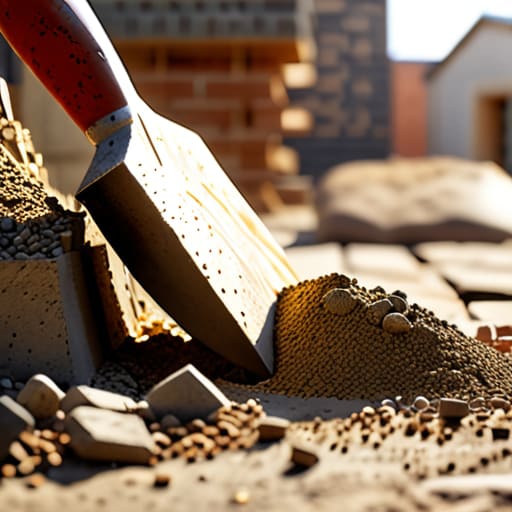
- Stop treating cement like it’s a standalone product. Cement is just the powder in the bag—it’s the glue, nothing more. If you think you can just slap pure cement into a joint to “make it stronger,” you’re going to end up with a brittle, cracking mess that’ll snap the first time the ground shifts. You need the sand to give it body and the water to give it life.
- Watch the water like a hawk. I’ve lost count of how many young lads have seen a mortar mix looking a bit stiff and thought, “I’ll just add a splash of water to make it easier to spread.” That’s how you kill your strength. You add too much water, you’re basically washing away the glue, and once that excess water evaporates, you’re left with a porous, weak shadow of what should have been a solid bond.
- Don’t go chasing high-strength cement for every single task. If you’re building a garden wall, you don’t need the same heavy-duty stuff you’d use for a structural foundation. Using a mix that’s too “hot” or too strong for a simple bricklaying job can actually cause the bricks themselves to crack because the mortar won’t give way when the building settles. You want the mortar to be the sacrificial layer, not the thing that breaks the masonry.
- Check your sand quality before you even think about mixing. I’ve seen blokes buy the cheapest bulk sand they could find, only to realize halfway through the pour that it’s full of silt or clay. If your sand isn’t clean, your mortar won’t bond, and it doesn’t matter how much cement you throw in there—it’ll never hold. If the sand is rubbish, the mortar is rubbish.
- Respect the curing time. A lot of people think once the mortar is hard to the touch, the job is done. Not even close. Cement needs time to chemically react with the water, and mortar needs that time even more. If you get a heavy rain or a hard frost hitting that fresh mortar before it’s properly set, you’ve just wasted your time and your money. You can’t rush the chemistry, no matter how much of a hurry you’re in.
Don't Get It Wrong or Pay for It Later
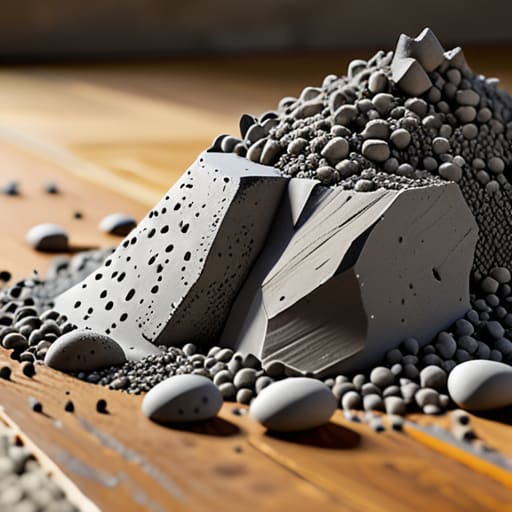
At the end of the day, if you can’t tell the difference between your binder and your bedding, you’ve already lost the battle. Cement is the powder that does the heavy lifting in a chemical reaction, but mortar is the finished product—the actual mixture of sand, water, and that cement that sits in your bucket ready to work. You don’t pour cement onto a foundation and hope for the best, and you certainly don’t try to build a structural wall with a weak, sandy mix that lacks the right binder ratio. Remember, the cement provides the strength, but the mortar provides the bond, and if you treat them as the same thing, you’re just asking for cracks to show up before the first winter hits.
I’ve spent forty-three years watching lads try to save a few quid by cutting corners on their mixes, and I’ve seen the same result every single time: a structural mess that costs ten times more to fix than it did to do right the first time. Construction isn’t about being fast; it’s about being right from the ground up. Take the time to get your ratios spot on and respect the chemistry of what you’re laying. If you respect the materials and understand exactly what each one is doing in the mix, your work will still be standing long after the people who rushed it have moved on.