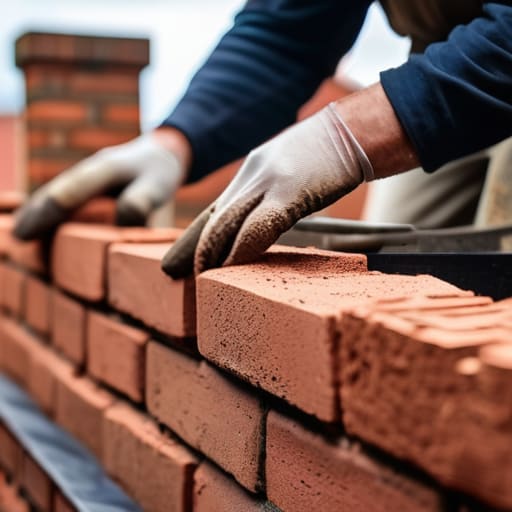
I was standing on a site in Gloucestershire last autumn, watching a lad try to pull a straight line on a garden wall, and I could already see the disaster coming. He was obsessed with the brand of brick he’d bought, thinking the expensive clay would save him, but he hadn’t even bothered to check if his footing was level or if his mortar mix was too wet. People spend a fortune on the “right” materials, yet they ignore the most common bricklaying mistakes to avoid, like neglecting the base or rushing the bond. You can buy the finest facing bricks in the country, but if your foundation is shifting or your mortar is thin as soup, that wall is going to look like a zigzagging mess before the season is out.
I’m not here to give you a textbook lecture or some polished guide from a manufacturer. I’m going to tell you what actually happens when the weather turns or the ground settles. I’ll be laying out the real, gritty mistakes I’ve seen over forty-three years—the ones that happen because someone was in a hurry or thought they could skip the prep work. We’re going to talk about the stuff that actually matters: the footing, the mix, and the patience required to do it right.
The Improper Mortar Mix Ratio That Destroys Your Wall
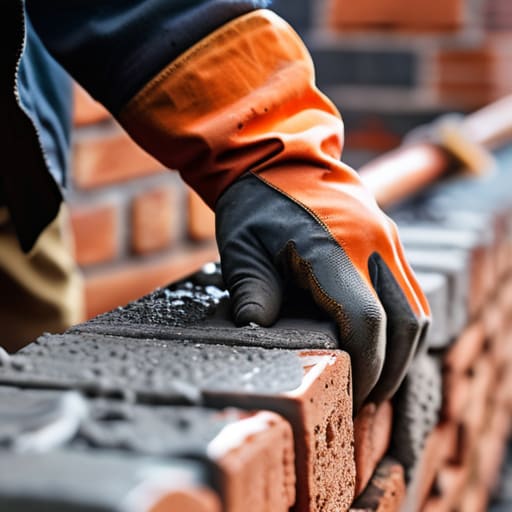
Now, if you think you’ve got the mix and the levels sorted, don’t go thinking you’re off the hook just yet; you still need to keep an eye on the environment you’re working in. I’ve seen lads with the best intentions ruin a perfectly good wall simply because they didn’t account for a sudden shift in temperature or a bit of unexpected moisture in the air. It’s about being prepared for the variables you can’t control, much like how you’d check your local transen wuppertal kontakte to see what’s happening in the area before you commit to a plan. You have to read the conditions before you lay that first course, or you’ll be spending your weekend chipping out bad work instead of enjoying your time off.
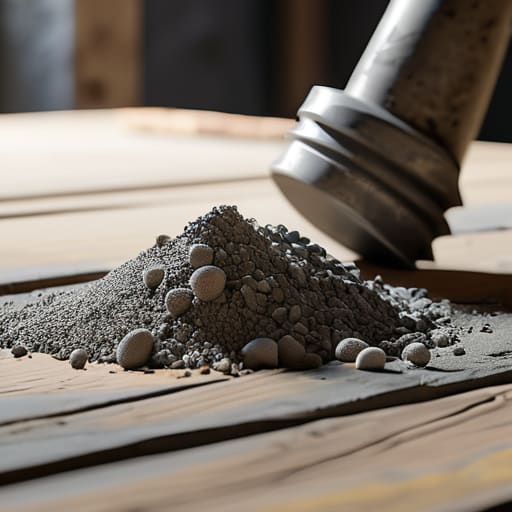
I’ve seen it a hundred times: a lad thinks he’s being clever by throwing an extra bucket of sand or, worse, a splash of water into the tub to make the mix “creamier” and easier to spread. He thinks he’s making his life easier, but he’s actually sabotaging the bricklaying structural integrity issues that will haunt that homeowner for the next decade. If you mess up the ratio, you aren’t just building a wall; you’re building a ticking time bomb of hairline fractures.
When you get an improper mortar mix ratio, you lose the bond. If there’s too much lime or too much sand, the mortar becomes weak and brittle; if it’s too rich, it shrinks too much as it dries. Either way, you’re looking at the main causes of mortar cracking before the scaffolding is even down. You can’t just eyeball a mix and hope for the best. You need to be exact with your parts, because once that mortar sets, it’s too late to fix the chemistry. If the mix is wrong, the wall is already dead.
Preventing Uneven Brick Courses Before the First Row Sets
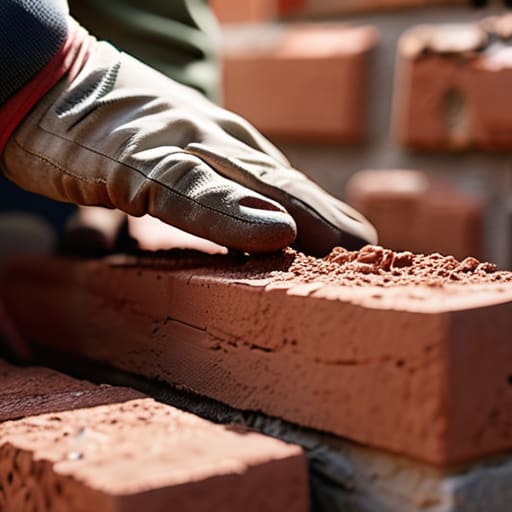
You can spend all day obsessing over your trowel technique, but if your first course is off by even a fraction, you’re fighting a losing battle for the rest of the build. I’ve seen lads try to “fix” a wonky base by adding extra mortar to the next layer to level it out, but that’s a recipe for disaster. All you’re doing is creating inconsistent bed joints, which leads straight to bricklaying structural integrity issues down the line. If that bottom row isn’t dead level and sitting on a solid, even bed, the weight of the wall won’t distribute right, and you’ll be chasing a sloping line from the bottom to the top.
The secret isn’t in how fast you lay; it’s in the prep. Before you even touch a brick, you need to check your gauge and ensure your corners are pinned and plumb. Preventing uneven brick courses starts with a disciplined approach to your lines and your levels. Don’t let the pressure of the job make you rush the setup. If the base is crooked, the whole face of the wall will eventually look like a wave, and no amount of pointing will hide that mistake.
The Stuff They Don't Teach You in the Classroom
- Stop ignoring the weather. If you’re laying bricks in a biting wind or under a midday sun that’s baking the moisture out of your joints, you’re asking for trouble. You can have the perfect mix, but if that mortar dries out before it’s actually bonded to the brick, you’ve just built a stack of expensive stones held together by dust.
- Watch your weatherproofing at the base. I see it all the time—lads get so focused on the neatness of the courses that they forget the damp proof course or the footing. If your base isn’t solid and properly shielded, the moisture from the ground will climb straight up through your work, and no amount of fancy pointing will save a damp wall.
- Don’t be lazy with the cleaning. If you let mortar droppings smear across the face of the brick and then try to scrape them off once they’ve gone rock hard, you’re going to scar the masonry. Clean as you go. It’s more work in the moment, but it’s the only way to ensure the finish doesn’t look like a rushed job.
- Check your plumb more often than you think you need to. A wall can look straight from the front, but if it’s leaning even a fraction of an inch back or forward, the weight isn’t being distributed right. I’ve seen walls that looked grand on day one, only to start bowing the moment the scaffold came down because the lad was too proud to check his level every three courses.
- Mind the joints, not just the bricks. People get obsessed with the alignment of the brick, but the strength is in the mortar joint. If your joints are inconsistent—too thick here, too thin there—you’ve got uneven stress points. Keep those joints uniform; it’s the only way the load travels through the wall the way it’s supposed to.
The Bottom Line
At the end of the day, a wall isn’t just a collection of red blocks stacked on top of one another; it’s a system. If you get the mortar ratio wrong, you’re building on sand. If you let your courses drift because you were too lazy to check your lines, you’re asking for a structural headache. And if you ignore the weather or the prep work, you might as well be pouring money into a hole in the ground. You can buy the most expensive bricks on the market, but if you skimp on the fundamentals, you’re just making an expensive mistake. The strength of the wall is decided long before the final brick is laid.
I’ve spent forty-three years watching men try to rush a job to get to the pub or save a few quid on a bag of lime, and I’ve seen the same cracks appear every single time. Don’t be that person. Take the extra ten minutes to check your level, mix your mortar like you mean it, and respect the process. There is a massive difference between someone who just “does” bricklaying and a craftsman who understands why the materials behave the way they do. Do it right the first time, because once that mortar sets and the sun goes down, you can’t undo a bad decision.