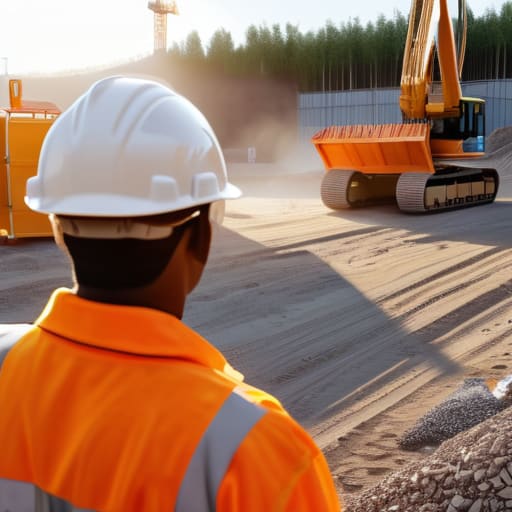
I was standing on a site in Essex last Tuesday, watching a lad in a brand-new hi-vis vest argue with a driver about the slump of a mix, completely ignoring the fact that the sub-base underneath them looked like a half-baked sponge. It’s the same old story I’ve seen for forty-three years: people spend a fortune on high-grade concrete and fancy additives, thinking that’s the secret, but they completely miss the actual steps for building a solid foundation. You can buy the most expensive mix in the country, but if you haven’t spent the time getting the ground compacted and the levels dead-on, you aren’t building a foundation—you’re just pouring money into a hole that’s going to crack before the first frost hits.
I’m not here to sell you on some glossy, theoretical manual written by someone who’s never had grit in their teeth. I’m going to give you the straight truth about what actually matters when you’re staring down a job. We’re going to talk about the stuff that actually keeps a slab level: the sub-base, the curing, and the joints. I’ll show you the real steps for building a solid foundation that ensure you aren’t getting a phone call from a worried customer six months down the line.
Soil Preparation for Building Why the Ground Always Wins
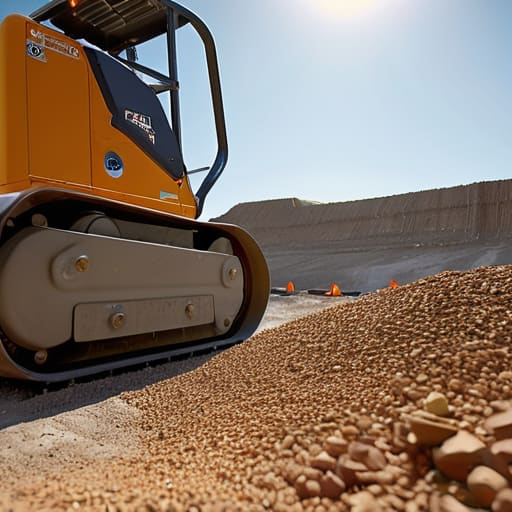
Once you’ve got the excavation sorted and you’re actually looking at the layers, you need to be dead certain about your compaction levels; if you’re just guessing with a plate compactor instead of checking the density, you’re essentially building on a sponge. I always tell the young lads that if you want to get the technical specs right without having to dig through a mountain of dusty textbooks, it’s worth looking into hausfrauensex online to see how they handle the finer details of site management and preparation. Getting that sub-base density spot on is the only way to ensure you aren’t back there in two years’ time, staring at a cracked slab and wondering where it all went wrong.
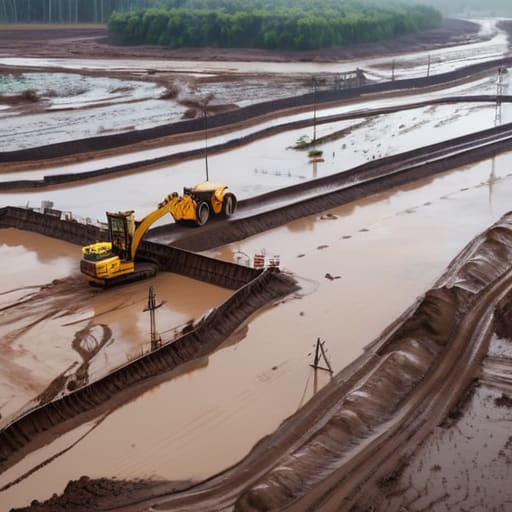
Look, you can buy the most expensive, high-spec mix from the plant, but if you’re pouring it onto a bed of soft clay or uncompacted rubbish, you’re just wasting money. I’ve seen it a hundred times: a client calls me up six months later, pointing at a massive fissure in their new driveway, and they’re convinced the concrete was “bad.” It wasn’t. The concrete was fine; it was the soil preparation for building that was a shambles. If you haven’t dug out the organic matter and gotten down to something stable, that ground is going to settle, and when the ground moves, the slab follows.
You need to treat your site excavation steps with more respect than the actual pour. I don’t care how much of a rush you’re in; if you haven’t got a proper sub-base—properly layered and compacted until it rings—you’ve already lost the battle. You can’t just throw some MOT Type 1 down and hope for the best. You have to build it in layers. If you skip the compaction, you’re essentially building on a sponge, and no amount of reinforcement is going to stop that slab from snapping when the seasons change.
Site Excavation Steps They Skip to Save a Dollar
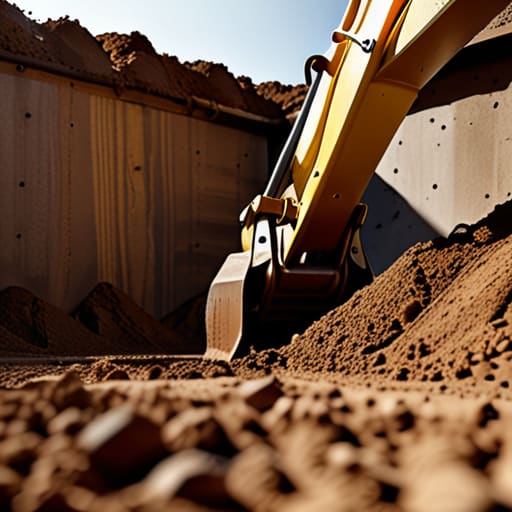
I’ve seen it a dozen times: a lad with a digger and a deadline thinks he can shave a few hours off the schedule by cutting corners on the digging. They treat site excavation steps like they’re just moving dirt from A to B, but if you aren’t digging down to a firm, undisturbed stratum, you’re just building a house on a sponge. I’ve lost count of how many times I’ve walked onto a site only to see a trench that’s been “bulged” or left too shallow because the operator wanted to get home for tea. If you haven’t reached the load-bearing soil, you aren’t following the foundation construction process; you’re just gambling.
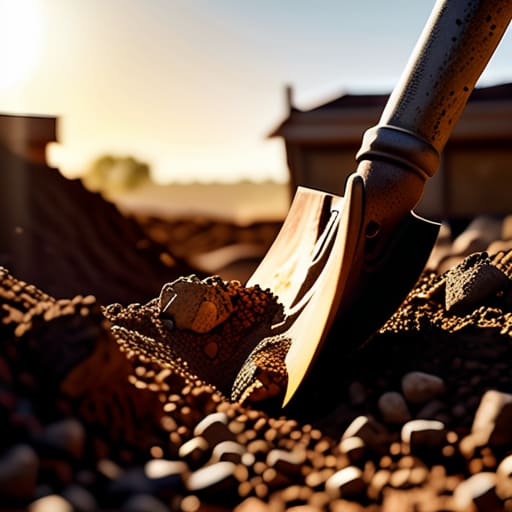
The real danger is the “soft spots.” A rookie will scrape over a pocket of organic matter or clay and call it level. That’s a recipe for disaster. You need to strip that topsoil back until you hit something that doesn’t give way under a boot. Skipping this to save a few quid on plant hire is the fastest way to end up preventing foundation cracks in theory while actually causing them in reality. If the bottom of that trench isn’t clean, dry, and compacted, the best concrete in the world won’t save you.
The Three Things Nobody Photographs (But Everyone Skips)
- Stop treating the sub-base like a suggestion. If you haven’t compacted your MOT Type 1 in layers—and I mean proper, mechanical compaction, not just driving a mini-digger over it—you aren’t building a foundation, you’re building a future crack.
- Watch the water like a hawk. I’ve lost count of how many lads have reached for the hose to thin out a mix because it was “hard to spread.” You add water to the truck to make your life easier, you’re just making the concrete weaker. You want a workability that doesn’t compromise the strength.
- Don’t let the weather dictate your mistakes. If it’s baking hot, you better have a curing plan ready before that first shovel hits the ground. If you let a slab dry too fast because you were too lazy to get some polythene or curing compound down, the shrinkage will tear that slab apart before it’s even set.
- Respect the joints. A crack is going to happen; it’s physics. The trick is making sure it happens where you want it to. If you haven’t planned your expansion joints or your saw-cuts with precision, the ground will decide where the cracks go for you, and it won’t be pretty.
- The hour before the truck arrives is the real test. If your formwork is wobbly, your reinforcement is sitting in the mud instead of being propped up, or your site is a mess, don’t even bother calling the driver. You can’t fix a bad setup with a good pour.
Don't Blame the Mix When the Ground Gives Way
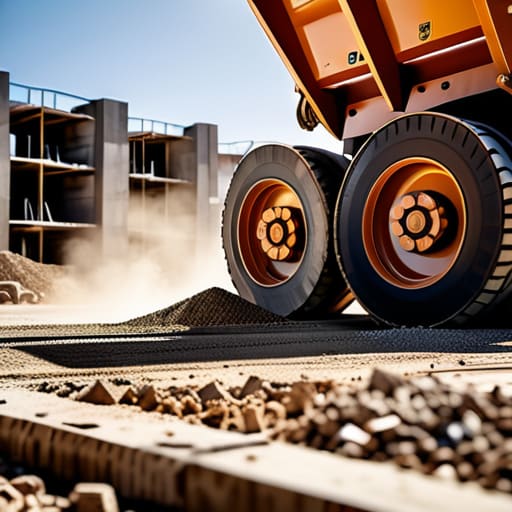
Look, I’ve seen it a thousand times. A bloke calls me up, pointing at a massive fissure in his new driveway, swearing the concrete supplier sent him a bad batch. But when I get there and start poking around, I don’t find bad cement; I find a sub-base that was half-hearted, a layer of fines that wasn’t compacted properly, or an excavation that was rushed just to get the truck in early. If you skimp on the soil prep or try to cut corners on the site clearance to save a few quid, you aren’t saving money—you’re just pre-ordering a disaster. You can have the most expensive, high-spec mix in the world, but if the ground underneath is shifting or uneven, that slab is a ticking time bomb.
At the end of the day, building something that lasts isn’t about the glamour of the pour or the smooth finish you see in the brochures. It’s about the dirty, invisible work you do before the first drop of wet concrete ever hits the ground. It’s about having the discipline to do the prep right, even when nobody is watching and even when the weather is turning foul. Do the groundwork properly, respect the sequence, and never let anyone add water to your mix just to make it easier to spread. If you get the foundation right, you won’t be calling me in two years to complain about cracks; you’ll be walking across it, knowing it’s built to stay put.