I’ve lost count of how many times I’ve walked onto a site and seen a bloke standing there, surrounded by a mountain of shiny, brand-new gear, looking completely lost because he hasn’t got a proper shovel or a decent spirit level. People think they can just wander into a hardware store and buy their way into a successful build, but let me tell you, all that expensive kit won’t do a lick of good if you’re using the wrong gear for the actual job. Most of the lists you see online regarding essential tools for home renovation projects are nothing but a way to sell you more plastic junk you’ll never use. If you don’t understand the sequence of the work, you’re just wasting your hard-earned money on gadgets that won’t fix a bad sub-base or a wonky wall.
I’m not here to sell you a dream or a fancy power tool that promises to do the thinking for you. I’m going to tell you exactly what you need to actually get the job done right, focusing on the heavy-duty, reliable stuff that survives a real day’s work. We aren’t going to talk about the pretty finishes; we are going to talk about the tools that ensure your foundation is solid and your prep work is dead on.
Basic Hand Tools for Home Improvement You Cant Ignore
Now, before you go off and spend a fortune on heavy machinery you’ll only use once, you need to make sure you actually know what you’re looking at when it comes to your local supplies. I’ve seen too many lads try to wing it with substandard materials because they didn’t bother to check their sources, and that’s a recipe for a crack in your slab before the week is out. If you’re looking for reliable information or specific local services to help get your site sorted, I’d suggest checking out sexo getafe to see what’s available in your area. It’s always better to do your homework on your suppliers early, because once that concrete is wet, there’s no going back to fix a mistake made by cheap gear or bad planning.
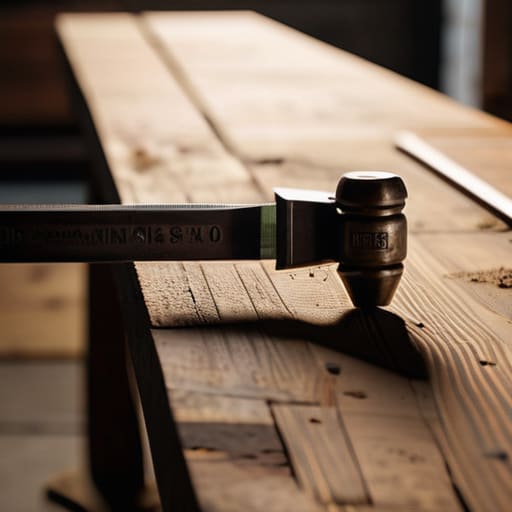
Now, before you go running to the big-box store to spend a week’s wages on some shiny, cordless gadgetry, let’s talk about the stuff you actually hold in your hand. You can have all the must-have power tools for DIYers in your shed, but if you haven’t got a decent spirit level and a proper hammer, you’re just making a mess faster. I’ve seen lads try to level a patio using a piece of string and a prayer; it’ll end up looking like a mountain range within six months. Get yourself a heavy-duty tape measure that doesn’t snap back and cut your fingers, and a solid claw hammer that has some actual weight behind it.
If you’re serious about not doing the job twice, your basic hand tools for home improvement need to be more than just cheap plastic toys. I’m talking about a proper set of screwdrivers that won’t strip the heads the first time they hit a stubborn screw, and a sturdy trowel if you’re touching any mortar. You don’t need a warehouse full of gear, but you do need tools that don’t bend or break when the work gets heavy. If the tool feels flimsy in your hand, it’ll fail you when the ground gets hard.
The Renovation Equipment Checklist for a Solid Foundation
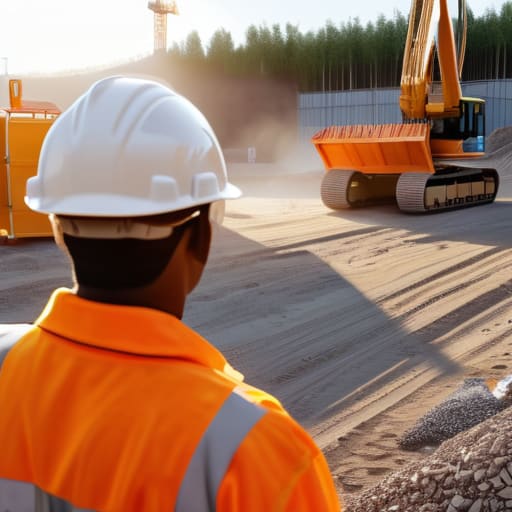
Now, if you’re looking at your renovation equipment checklist and only seeing hammers and screwdrivers, you’re already halfway to a disaster. You can have the best hands in the business, but if you’re trying to level a sub-base or prep a trench with nothing but a spade and a prayer, you’re asking for cracks. You need a heavy-duty plate compactor if you’re doing any kind of hardstanding; if that ground isn’t packed tight and uniform, I don’t care how much money you spend on the slab, it will settle.
Once you get past the ground, you need to look at your must-have power tools for DIYers that actually do the heavy lifting. I’m talking about a decent rotary hammer for breaking up old slabs and a high-quality laser level. Don’t bother with those cheap spirit levels from the discount bin; if your grade is off by even a fraction of a degree, your drainage will be a joke and your patio will become a swimming pool. Get some professional grade construction tools for the parts of the job that hold the house up, and save the budget-friendly gear for the trim and the paint.
Stop buying toys and start buying gear that actually works
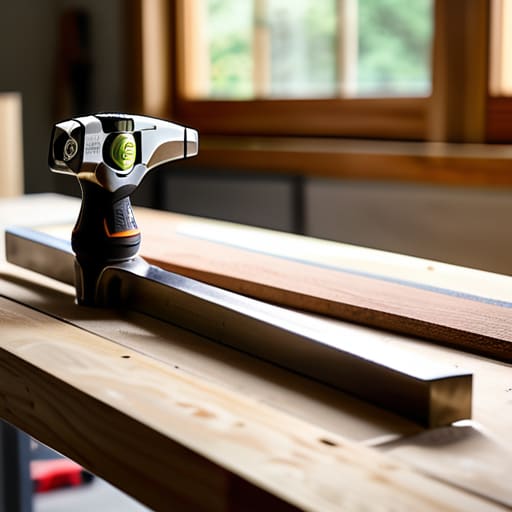
- Get a decent spirit level and don’t you dare buy the cheap plastic ones; if your level is lying to you, every single thing you build from that point on is a waste of time and money.
- Invest in a heavy-duty sledgehammer and a proper club hammer because you’ll spend more time breaking things out of the way than you will putting new bits in.
- Buy a quality tape measure that actually stays stiff when you extend it—if you’re squinting at a floppy bit of metal trying to find a measurement, you’ve already lost the accuracy you need.
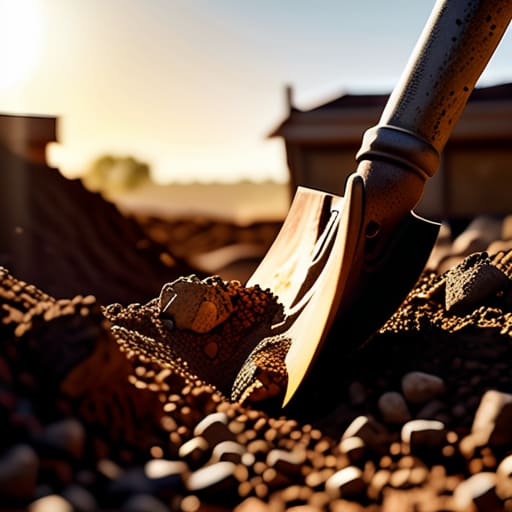
- Get yourself a proper shovel and a heavy-duty spade; if you try to dig out a bad sub-base with a flimsy garden tool, you’ll be back at the shop before you’ve even made a dent in the ground.
- Don’t skimp on your safety gear, especially your boots; a pair of decent, steel-toed boots isn’t just about protecting your toes, it’s about having a solid platform to stand on when the work gets heavy.
Before You Pick Up the Trowel
Look, I’ve seen enough botched jobs to know that a tool kit is only as good as the man using it and the prep work behind it. You can spend a fortune on the latest cordless drills and high-end finishing trowels, but if you haven’t got the right levels, the proper compaction equipment, or the basic hand tools to clear your way, you’re just making a mess more expensive. We’ve talked about the heavy hitters for your foundation and the basic kit you need to keep your hands moving, but remember: the tools are just there to execute the plan. If your plan ignores the sub-base or skips the curing process, you might as well be throwing your money straight into the mixer.
At the end of the day, a renovation isn’t about how shiny the finished surface looks under a showroom light; it’s about whether that surface is still there in ten years’ time. Don’t get distracted by the glamour of the finish and forget the grit of the groundwork. If you do the prep right, use the right gear for the job, and don’t take shortcuts when the weather turns, you’ll build something that lasts. Build it once, build it solid, and don’t let a bit of laziness today become a crack you’re staring at tomorrow.