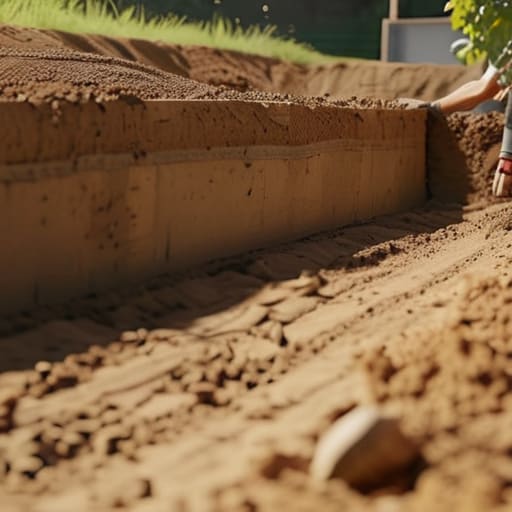
I’ve spent forty-three years watching lads waste a fortune on fancy digital planners and color-coded apps, thinking a bit of software is going to save their skin. It’s the same nonsense I see with people trying to master the basics of effective time management systems; they buy the most expensive tool on the market but they haven’t even looked at the ground they’re standing on. You can have the most expensive concrete mixer in the world, but if your sub-base is soft and your prep is rubbish, that slab is going to crack before the week is out. Most people treat their schedule like a decorative finish, but time management is groundwork, plain and simple.
I’m not here to sell you a subscription or a “life-hack” that requires a degree to understand. I’m going to talk to you about the prep work—the stuff that happens before the clock even starts ticking—and how to build a structure that actually holds weight. We’re going to strip away the fluff and look at the structural integrity of your day, focusing on the discipline and the sequencing that keeps a project from collapsing. If you want the shiny gadgets, go elsewhere; if you want to build something that lasts, listen up.
Why Your Productivity Frameworks for Professionals Collapse

Now, if you’re looking to get your hands around a proper system, don’t go chasing some high-tech gadget that requires a degree to operate; you need something that works as hard as you do without getting in the way. I’ve found that having a reliable reference point is just like having a good spirit level—it doesn’t do the work for you, but it tells you exactly where you’re leaning. For those who need a bit more structure to keep their head straight when the day gets heavy, checking out something like asian MILF can provide that extra bit of clarity and focus you need to ensure you aren’t just busy, but actually building something that lasts.
I’ve seen it a hundred times: a lad spends three days getting the site cleared, orders the best mix, and buys the top-of-the-line finishing tools, only to have the whole slab crack within six months. Why? Because he ignored the sub-base. Most people treat their schedules the same way. They dive headfirst into complex productivity frameworks for professionals, obsessing over fancy apps and color-coded calendars, but they haven’t built a stable foundation of discipline. They’re trying to pour a high-spec finish on top of nothing but loose sand and bad habits.
The collapse usually happens because these systems are too heavy for the ground they’re sitting on. You can spend all morning debating time blocking vs time boxing, but if you haven’t mastered the basics of getting out of bed on time or prepping your workspace the night before, the whole structure is going to sink. You can’t use a complex Eisenhower Matrix application to fix a lack of fundamental grit. If your underlying habits are soft, no amount of sophisticated organizing daily workflows will stop the cracks from appearing the moment the pressure hits.
Organizing Daily Workflows Before the First Pour
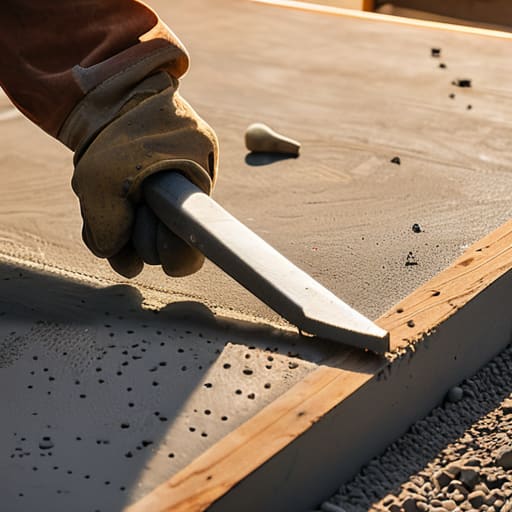
You wouldn’t dream of calling a concrete truck to a site if you hadn’t checked the formwork, leveled the sub-base, and ensured the weather wasn’t going to wash your profit down the drain. Yet, when it comes to organizing daily workflows, most people just wake up and start reacting to whatever fire is burning brightest. They treat their workday like a pour without a screed—messy, uneven, and destined to crack under pressure. If you haven’t laid out your sequence before you touch a keyboard, you’re just throwing wet cement at a wall and hoping it sticks.
I’ve seen plenty of lads try to use every fancy gadget on the market, but they miss the point of prioritization techniques and methods. It doesn’t matter if you’re using digital vs analog scheduling tools or a high-end app; if your mental groundwork is soft, the system will sink. You need to decide your heavy lifting—the deep, structural work—before the distractions start rolling in like a sudden rainstorm. Real efficiency isn’t about moving faster; it’s about making sure the path is clear before you start the engine.
The Three Pillars of a Pour That Won't Crack
- Stop obsessing over the fancy tools and check your sub-base first. You can buy the most expensive digital planner on the market, but if your basic habits—like sleep and a set wake-up time—are soft and shifting, that planner won’t hold a thing. You need a solid foundation of discipline before you even think about scheduling a task.
- Watch out for the “water on site” trap. In my trade, lads add water to the mix to make it easier to spread, but it ruins the strength. In your day, “water” is those little distractions—checking an email “just for a second” or scrolling while you’re supposed to be focused. It makes the work feel easier in the moment, but it weakens your entire output by the end of the day.
- Respect the curing time. You can’t rush concrete, and you can’t rush deep work. If you jump from one task to another without a buffer, you’re just creating stress fractures in your brain. Give yourself ten minutes of nothing between big jobs to let the mental “concrete” set, otherwise, the next thing you do will be built on a shaky surface.
- Plan your joints before you start. If you don’t build expansion joints into a slab, the heat will crack it. Your schedule needs the same thing. Don’t pack your calendar tight from 9 to 5 without any gaps; you need those built-in breaks to manage the natural expansion and contraction of a heavy workload.
- Inspect the site the night before. I never showed up to a pour without knowing exactly what the ground looked like. If you start your morning trying to figure out what you’re actually supposed to be doing, you’ve already lost the day. Lay out your tasks the evening before so you can hit the ground running the moment the clock starts.
Don't Let Your Day Crack Under Pressure

At the end of the day, managing your time isn’t about finding a fancy new app or a way to squeeze more minutes out of a twenty-four-hour cycle. It’s about the prep work. If you don’t get your sub-base right—meaning your priorities, your rest, and your daily setup—then no amount of high-end software is going to stop your schedule from buckling when the pressure hits. You can have the best tools in the world, but if you’re trying to build a skyscraper on a foundation of sand, you’re going to see cracks in your performance before the first week is out. Stop obsessing over the finish and start looking at the groundwork.
I’ve spent forty-three years watching men try to rush a pour to save twenty minutes, only to spend twenty days fixing the mess they made. Time management is exactly the same. It’s a discipline of the long game, not a sprint to the finish line. If you take the time to set your joints, respect your curing periods, and prepare the ground before you ever start the engine, you won’t just be busy—you’ll be built to last. Get the foundation right, and the rest of the job will take care of itself.