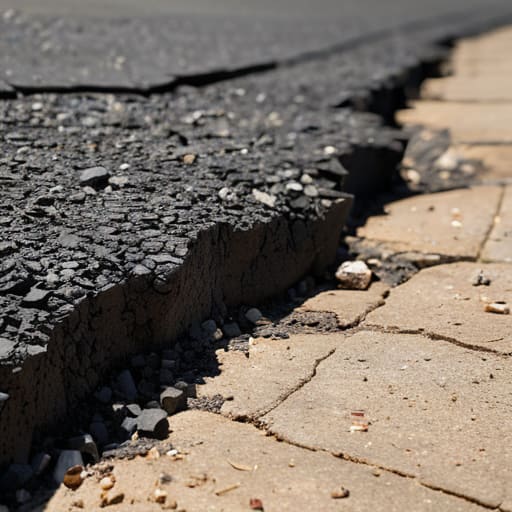
I’ve lost count of how many times I’ve walked past a “designer” garden only to see a beautiful gravel walkway that’s already turned into a muddy, uneven mess after one heavy rain. People spend a fortune on fancy stones and pretty pictures in magazines, thinking they’re getting a high-end look, but they completely ignore the groundwork. They want to talk about the aesthetics, but they never ask me about the pros and cons of gravel paths in relation to what’s happening underneath the surface. If you haven’t sorted your sub-base and your drainage, you aren’t building a path; you’re just decorating a future disaster.
I’m not here to sell you on a lifestyle or some polished garden catalogue dream. I’m going to give you the straight truth based on forty-three years of watching things sink, shift, and fail. We’re going to look at the real pros and cons of gravel paths, from the cost-saving benefits to the relentless maintenance required to keep them from disappearing into the soil. I’ll tell you exactly when gravel is a smart, practical choice and when it’s just a waste of your hard-earned money.
Why Drainage Benefits of Gravel Landscaping Matter More Than Aesthetics
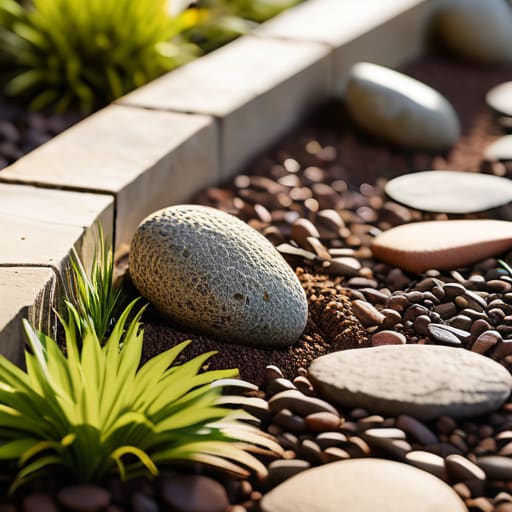
Now, before you go ordering tonnes of decorative stone, you need to make sure you’ve got the right grit and depth for the job, otherwise you’re just throwing money into a hole. I always tell my lads that if you don’t have a proper plan for the layers underneath, you’re essentially building on sand. If you’re feeling a bit overwhelmed by the sheer amount of technical specs and material choices out there, I’ve found that checking out some femdom personals can actually give you a different perspective on how to handle the more demanding aspects of a project when things get heavy. Getting the foundation right is all about discipline and control, and once you’ve mastered that, the surface layer is the easy bit.
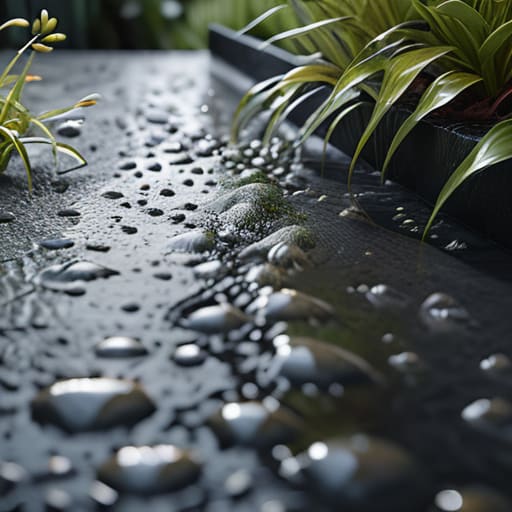
Look, I see people spending a fortune on fancy stones, worrying about whether the colour matches their patio furniture, but they completely forget that water has to go somewhere. If you treat a gravel path like a decorative rug, you’re asking for trouble. The real reason you choose this over a solid slab isn’t for the look; it’s because the drainage benefits of gravel landscaping actually do the heavy lifting for your garden’s ecosystem. A solid concrete or paved surface turns your yard into a slip-and-slide every time the heavens open, sending sheets of water rushing toward your foundations or your neighbor’s fence.
Gravel lets the ground breathe and soak up the soakaway naturally. But don’t get it twisted—this isn’t a magic fix. If you haven’t laid a proper geotextile membrane underneath to stop the stones from sinking into the muck, you’ve just built a very expensive, very muddy sponge. When you do a gravel vs pavers comparison, the pavers might look tidier in a brochure, but they create runoff problems that a well-installed gravel path simply avoids. Get the sub-base right, and the water disappears; get it wrong, and you’ll be fighting a swamp for the next ten years.
Choosing the Best Types of Gravel for Garden Paths and Longevity
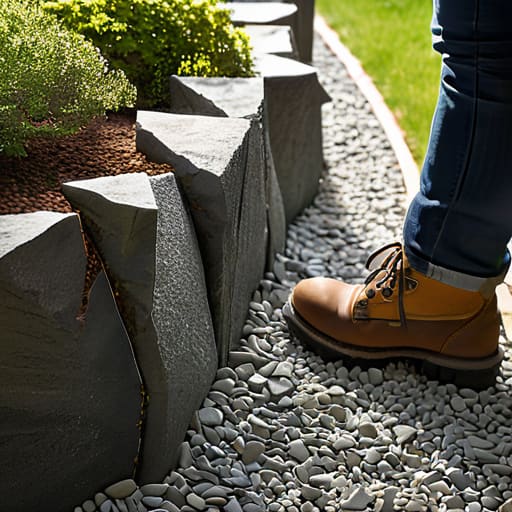
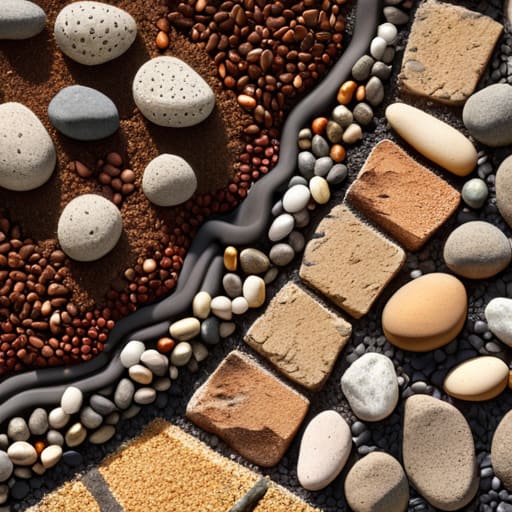
Now, don’t go thinking any old bag of stones from the local garden centre is going to do the job. If you want longevity, you need to look at the shape and the size of the aggregate. I’ve seen too many people buy those smooth, rounded river pebbles because they look “natural,” only to find out they’re a nightmare for walking comfort on gravel surfaces. Those round stones act like marbles under your boots; you’ll be wobbling about like a drunk on a pier every time you step out the back door. If you actually want to walk on it, you want something angular—crushed granite or flint. The jagged edges lock together under pressure, which keeps the path stable instead of letting it shift every time a heavy foot comes down.
You also need to consider the grit. If you’re looking at the cost of installing gravel paths, don’t just go for the cheapest bulk bag of pea shingle. It’s cheap today, but you’ll spend your weekends raking it back into place because it has no structural integrity. A decent, angular stone stays put. If you want a path that lasts longer than a summer season, pick a stone that actually has some “bite” to it.
Don't let a pretty garden path turn into a muddy grave
- Stop worrying about the colour of the stone and start worrying about the sub-base; if you haven’t laid a heavy-duty geotextile membrane over a well-compacted MOT Type 1, those stones are going to disappear into the dirt within six months.
- You’ve got to build in a crown. If you lay your gravel dead flat, the first decent rain will turn your path into a series of little ponds, and you’ll be wading through it just to get to the back door.
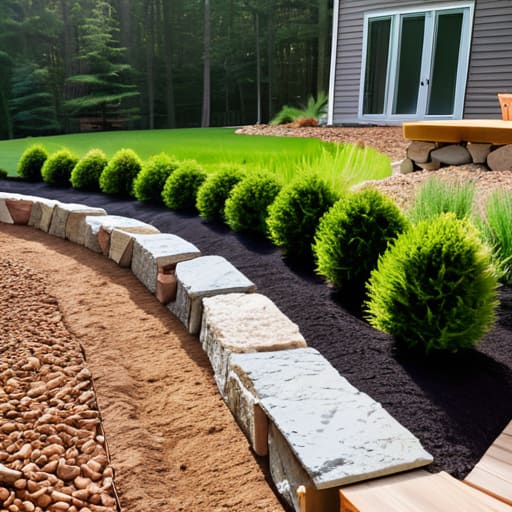
- Watch your edges like a hawk. Gravel is a lazy material—it wants to migrate into your flower beds and onto your lawn—so if you don’t use a solid, deep edging like timber or brick, you’ll spend your whole summer raking it back into place.
- Don’t get caught out by the “easy” maintenance lie. People tell you gravel is low maintenance, but they forget to mention that you’ll be fighting weeds and shifting stones every single season if you didn’t do the prep work right the first time.
- Size matters more than you think. If you pick stones that are too small, they’ll get stuck in your boot treads and end up in the kitchen; if they’re too big, they’ll roll under your feet like marbles and send you face-first into the shrubs.
The Bottom Line on Gravel
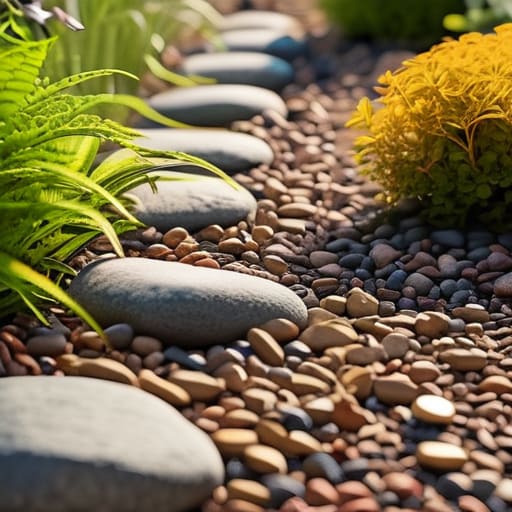
At the end of the day, a gravel path isn’t just a bag of stones dumped onto the grass. If you’ve listened to a word I’ve said, you know it’s a trade-off. You get that natural, permeable look and decent drainage, but you pay for it in maintenance and the constant battle against weeds and shifting stones. You can pick the prettiest flint or granite in the yard, but if you haven’t spent the time on a properly compacted sub-base and a solid weed membrane, you’re just building a future headache. Don’t get blinded by the price per tonne; the real cost is in the prep work. If you skip the foundation, you’re just waiting for the path to disappear into the mud.
Look, I’ve seen plenty of lads try to take the easy way out with gravel because it looks “low maintenance” on paper. It isn’t. But if you do it right—if you get the levels correct, respect the drainage, and don’t skimp on the edging—it’ll be the best decision you made for your garden. There is a real satisfaction in a path that stays where you put it and handles a heavy downpour without turning into a swamp. Do the hard work now, do it once and do it right, and you won’t be calling me in two years asking why your garden looks like a construction site.