
I’ve spent forty-three years watching men pour expensive concrete onto nothing but mud and prayer, only to wonder why the slab cracked six months later. Most people approaching how to organize a home workspace are doing the exact same thing. They go out and buy a three-hundred-pound ergonomic chair or a fancy oak desk, thinking that’s what makes a workspace work. It’s nonsense. If you haven’t sorted out your lighting, your cable management, and your physical foundation first, you’re just putting a high-gloss finish on a crumbling sub-base. You can buy all the gadgets in the world, but if the underlying structure is a mess, your productivity is going to fail before the first coffee break.
I’m not here to sell you on some lifestyle brand or a minimalist aesthetic that looks good on a screen but falls apart in practice. I’m going to tell you how to build a setup that actually holds weight. We’re going to ignore the fluff and focus on the sequence: the layout, the power, and the clutter control. I’ll show you how to lay the groundwork so that when you finally sit down to work, the environment is solid enough to support you for the long haul.
Why Your Ergonomic Home Office Setup Fails at the Ground Level
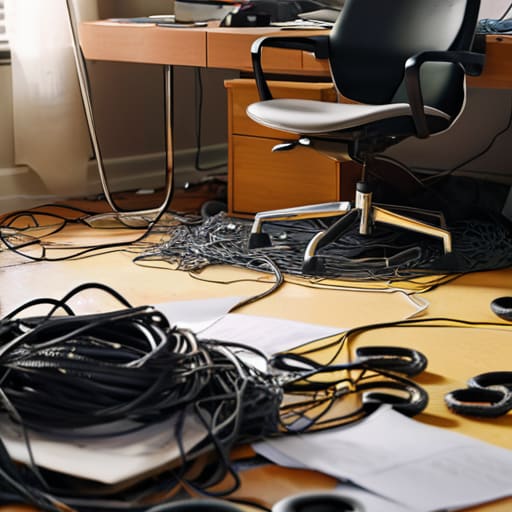
You can buy the most expensive ergonomic home office setup on the market—the kind with the mesh backing and the hydraulic levers—but if the floor underneath your feet is a mess, you’re building on sand. I’ve spent forty years watching slabs crack because someone thought they could skip the hardcore and just pour straight onto soft dirt. Your workspace is no different. If your desk is wobbling because your floor is uneven, or if you’ve piled your tech on top of a mountain of old paperwork, that fancy chair won’t save your back. You’re trying to fix a structural problem with a cosmetic solution.
Most people jump straight to the “pretty” stuff, like choosing a lamp or a rug, while ignoring the actual foundation. I’m talking about your physical footprint. If you haven’t mastered basic cable management for home offices, you’ve already lost the battle. A tangle of wires under your feet is like a poorly compacted sub-base; it creates instability and makes the whole system liable to collapse the moment you actually try to work. You need to sort the mess at the bottom before you even think about the view from the top.
Maximizing Small Workspace Without Compromising the Structural Integrity

Now, listen. People think that if they’ve only got a tiny corner of a spare room, they’re doomed to a cramped, miserable setup. They treat a small space like a narrow trench—trying to jam everything in at once until the whole thing becomes a mess. That’s your first mistake. You don’t build a foundation by throwing every brick in the pile onto the site; you layer it. Maximizing small workspace isn’t about cramming; it’s about verticality and sequence. If you haven’t cleared the floor of clutter, you haven’t even started.
You need to treat your desk like a clean pour. If you’ve got cables snaking everywhere like loose rebar, you’ve already lost the battle. Proper cable management for home offices is the difference between a professional site and a scrap heap. Get your gear off the surface and into dedicated storage. Use the walls, use shelves, and keep your primary work area clear of anything that doesn’t serve the immediate task. If you don’t establish these boundaries early, your “setup” will be nothing more than a pile of junk that’s destined to crack under the pressure of a real workday.
The Three Layers of a Proper Setup: Sub-base, Support, and Finishing
- Sort your cables before you plug anything in. I’ve seen lads try to build a wall on loose sand, and it’s no different with a desk covered in a bird’s nest of wires. If your power management isn’t anchored and tidy, you’ll be tripping over it or pulling your gear down by Friday.
- Check your lighting like you’d check a slump test. You can have the best monitor in the world, but if the ambient light is rubbish or causing a glare, you’re working in a blind spot. Get your light source consistent and positioned right, or you’ll be squinting like a man trying to read a blueprint in a rainstorm.
- Stop treating your desk like a storage unit. A workspace isn’t a skip; you don’t just throw everything into it and hope it stays level. If you haven’t got a system for what stays on the surface and what goes in a drawer, you’re just creating clutter that’ll eventually bury your productivity.
- Invest in the heavy-duty stuff for your foundation. Don’t go buying those flimsy, hollow-leg desks just because they look clever in a catalogue. If the base isn’t solid, the whole setup will wobble every time you lean on it, and a wobbly workspace is a recipe for a bad day.
- Plan your movement like you’re prepping a pour. You need to know exactly where your tools, your phone, and your water are without having to get up and hunt for them. If you’re constantly breaking your flow to find a pen, your “process” is broken before you’ve even started the job.
Don't Build on Sand
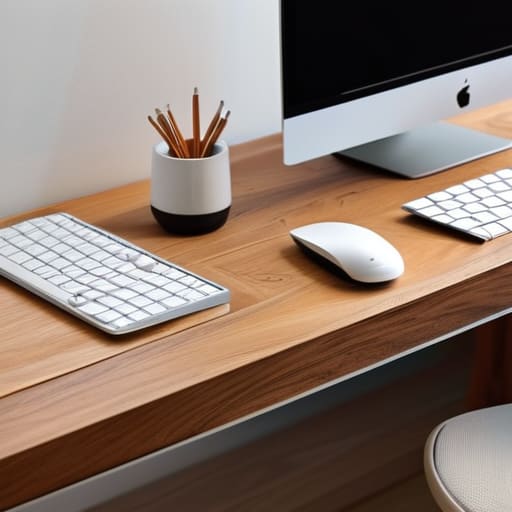
At the end of the day, organizing a workspace isn’t about buying a fancy new monitor or a chair that costs more than my first truck. If you haven’t sorted out the basics—the cable management, the lighting, and that solid foundation of a clean desk—you’re just putting a polished finish on a cracked slab. You can spend all the money in the world on the “topside” of your office, but if the sub-base of your workflow is messy and disorganized, your productivity is going to heave and crack the moment things get stressful. Stick to the sequence: fix the ground, manage the clutter, and then, and only then, start worrying about the decorations.
I’ve spent forty-three years watching people try to skip the hard work and go straight to the finish, and I can tell you, it never ends well. A workspace that works is built with the same discipline as a proper foundation. It takes patience to get the layout right and the discipline to keep it that way when the weather turns sour. Stop looking for the quick fix and start building something with proper structural integrity. Do the prep work right the first time, and you won’t be spending your weekends trying to patch up a mess that should have been prevented before the first light turned on.
Now, if you’re planning on moving the heavy stuff—the solid oak desks or the shelving units that actually hold weight—don’t go thinking you can just drag them across the floorboards and call it a day. You need to treat your floor like a sub-base; if the surface isn’t level or if you’re putting concentrated loads on a weak spot, you’re going to see cracks in your finish before the month is out. I always tell the lads to check their footing first, and if you’re looking for a bit of local help or specific supplies to get your foundations right, you might find what you need by looking for sex in der nähe to see how the professionals in your area handle their groundwork. It’s all about getting the load distribution right before you start bolting things down, otherwise, you’re just building on sand.