I remember standing on a job site in ’94, watching a lad try to build a dry-stone retaining wall like he was playing with Lego bricks, completely ignoring the fact that the soil behind it was nothing but soft, wet clay. He thought because the stones looked pretty, the wall was sorted. That’s the problem with most people’s understanding of how stone masonry differs from a standard concrete pour; they get blinded by the aesthetics and forget that gravity doesn’t care about how nice your mortar looks. You can stack the finest granite in the world, but if you haven’t respected the load-bearing reality of the ground and the way water moves through those gaps, you aren’t building a wall—you’re just building a future pile of rubble.
I’m not here to sell you on some romanticised version of “artisan craftsmanship” or give you a lecture from a textbook. I’m going to tell you exactly how these two worlds collide when things go wrong. I’ll be looking at the structural bones of the work—the drainage, the footings, and the weight distribution—so you can understand why one stays put for a century while the other starts leaning after the first frost.
Table of Contents
Traditional vs Modern Masonry Why the Old Ways Outlast the New
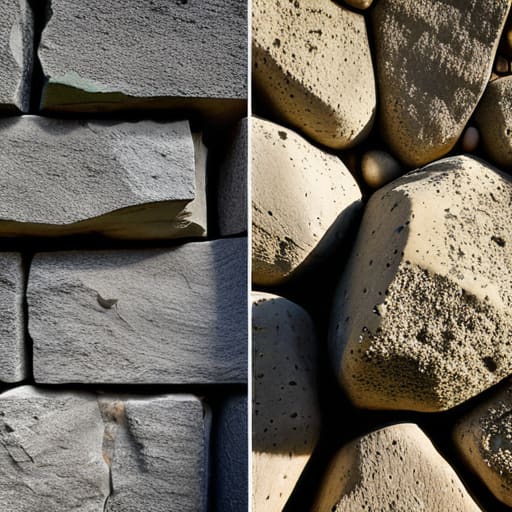
I’ve seen it a hundred times: a lad comes along with a modern bag of high-strength cement and thinks he can outwork a dry-stone wall or a properly lime-mortared structure. That’s where they trip up. When we talk about traditional vs modern masonry, the difference isn’t just about looks; it’s about how the structure breathes. Modern methods often rely on rigid, heavy-duty binders that look solid on day one but turn brittle the moment the ground shifts. If you use a mortar that’s too hard for the stone, the stone will crack to accommodate the movement. It’s a simple rule: the mortar should always be the sacrificial element, not the rock itself.
In the old days, the structural integrity of stone walls relied on the way the stones were dressed and how they sat together. You didn’t just slap them on a bed of grey sludge and call it a day. You spent time on the stone dressing techniques, ensuring the faces were right and the weight was distributed properly. Nowadays, people want speed. They want to skip the careful preparation of the mortar bedding in stonework and just get the job done. But speed is the enemy of a wall that’s going to stand for a hundred years.
The Hidden Truth of Structural Integrity in Stone Walls
You see a beautiful dry-stone wall or a dressed granite face and you think you’re looking at the strength of the rock. You aren’t. If you want to understand the real structural integrity of stone walls, you have to look at what’s happening in the gaps and underneath the weight. In my years on site, I’ve seen plenty of lads try to rush a stone build by slapping in thick, sloppy layers of mortar just to level things up quickly. That’s a recipe for disaster. If your mortar bedding in stonework isn’t consistent, or if you’re trying to mask a wonky foundation with a massive bead of cement, that wall is going to shift the moment the ground settles.
It comes down to how the weight is actually distributed. In proper stone masonry construction methods, every stone has a job to do. It’s about the friction and the way the load travels down to the footing. When people talk about traditional vs modern masonry, they often focus on the aesthetics, but the real difference is in the patience required for the internal structure. If you don’t get the internal hearting right, all the fancy stone dressing in the world won’t stop that wall from bulging out like a gut in five years’ time.
What the Fancy Brochures Won't Tell You About Stone vs. Concrete
- Stop looking at the face of the wall and start looking at the foundation. With concrete, I’m looking for a solid, uniform slab; with stone, you’re looking for a footing that can handle uneven weight distribution. If your footing isn’t right, that stone wall isn’t just going to crack—it’s going to migrate.
- Mortar isn’t just glue; it’s a sacrificial element. In my concrete days, the mix is designed to be the structure itself. In stone masonry, the mortar is often there to take the hit from the weather so the stone doesn’t have to. If you use a modern, high-strength cement on old stone, you’ll crack the stone before the mortar even settles.
- Drainage is the silent killer of both, but it’s more temperamental with stone. A concrete slab is a monolithic sheet, but a stone wall is a collection of individual pieces. You have to account for how water moves through the gaps and behind the face, or you’ll be looking at a blowout after the first heavy frost.
- You can’t “fix” a bad stone pour with a bit of extra water. When I see a lad adding water to a concrete mix to make it flow easier, I know the job is doomed. With stone, the “mix” is the way the stones are wedged together. You can’t cheat the geometry of a dry-stack or a mortared stone wall with a quick fix on site.
- Thermal movement is a different beast entirely. Concrete expands and contracts as one big unit, which is why I’m obsessed with expansion joints. Stone, however, has a thousand tiny joints already built in. You aren’t managing one big movement; you’re managing a thousand little ones. If you treat a stone wall like a concrete slab, you’re asking for trouble.
The Bottom Line
At the end of the day, if you’re choosing between stone and concrete, you aren’t just picking a material; you’re picking a philosophy of how a structure should live with the earth. We’ve looked at how stone relies on the skill of the hand and the weight of the gravity, whereas concrete relies on the chemistry of the mix and the strength of the reinforcement. But don’t let the fancy technical specs fool you. Whether you are stacking dry stone or pouring a massive slab, the result comes down to the same thing I’ve been shouting about for forty years: the preparation of the ground. If your sub-base is rubbish or your footings are shallow, it doesn’t matter if you’re using ancient granite or the highest grade of Portland cement—it is all going to crack eventually.
My advice to you is this: stop looking at the surface and start looking at what’s underneath. People love to take photos of a beautiful stone wall or a smooth, polished driveway, but nobody ever takes a photo of a well-compacted MOT Type 1 base or a perfectly leveled trench. That’s where the real work happens. If you do the job right—if you respect the drainage, the soil, and the curing time—you won’t be getting phone calls from angry customers ten years down the line. Build it so you don’t have to fix it, and build it to last longer than you do.
Frequently Asked Questions
If I'm building a retaining wall, should I be looking at dry stone or a mortared stone mix to handle the pressure behind it?
If you’re asking me about the wall, you’ve already missed the most important part: what’s going behind it. If you’ve got heavy clay and no drainage, a mortared wall is just a ticking time bomb waiting to crack when the ground shifts. A dry stone wall breathes; it lets the water weep through the gaps. You want a mortared wall for height and neatness, but if you don’t sort your weep holes and sub-base first, you’re just building a very expensive dam.
How much does the sub-base preparation differ when you're setting a stone wall compared to a standard concrete slab?
With a slab, you’re looking for a level, compacted platform to spread a load. It’s about uniform density. But a stone wall? That’s a different beast entirely. You aren’t just prepping a surface; you’re building a foundation that has to handle massive, concentrated point loads and, more importantly, drainage. If you treat a stone wall footing like a garden patio sub-base, the weight will eventually find the soft spots and crack your work wide open.
Can you actually use modern concrete as a core for a stone wall, or is that just a shortcut that'll cause cracking later?
You can, but you’re playing a dangerous game with movement. If you’re building a structural wall, that concrete core is going to be stiff as a board, while the stone facing wants to breathe and shift. If you don’t get your expansion joints exactly right, the concrete will push the stone right off the face. It’s not a shortcut; it’s a recipe for cracking unless you treat that core like a living thing.