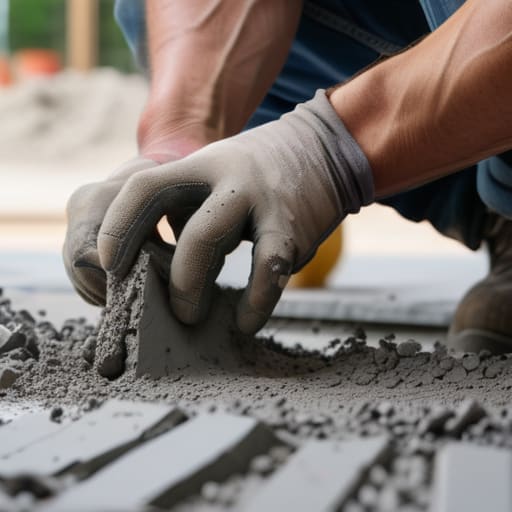
I remember standing on a job site in ’94, watching a lad—hardly older than a schoolboy—reach for his bull float because he saw a thin sheen of water on a fresh pour. He thought he was being efficient, smoothing things over to meet a deadline, but all he was doing was trapping moisture and weakening the top layer. That’s the problem with this trade; everyone wants to rush the surface before the chemistry has even settled. They don’t realize that knowing how bleed water affects finishing is the difference between a slab that lasts forty years and one that starts scaling and dusting the moment a heavy rain hits it.
I’m not here to give you a lecture from a textbook or some fancy engineering manual that’s never seen a muddy boot. I’m going to tell you exactly what happens when you ignore that water, and more importantly, when you actually have the patience to wait for it to disappear. We’re going to talk about the real-world timing, the mistakes that turn a smooth finish into a disaster, and how to read the surface so you aren’t fighting the concrete every step of the way.
Table of Contents
The Timing of Concrete Troweling Why Patience Wins Every Time
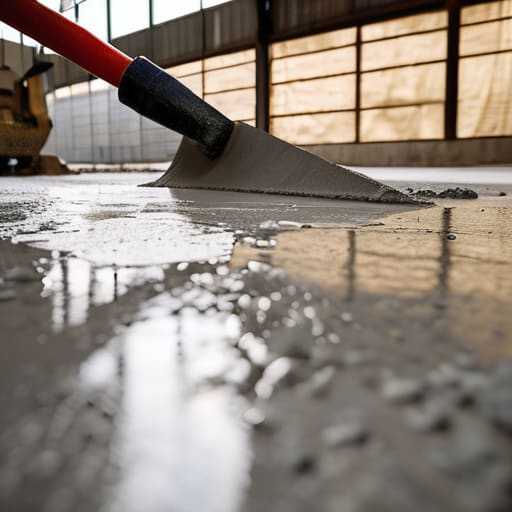
I’ve seen more lads ruin a good pour by being too eager than I have by being too slow. They see that water shimmering on the surface and think they’ve got a window to start working. They don’t. If you rush in with the power trowel while that bleed water is still active, you aren’t smoothing it out; you’re just churning the cream into the aggregate. You’ll end up trapping excess moisture in concrete slabs, which is a one-way ticket to a surface that looks fine today but will be flaking off like old skin in six months.
The real trick to the timing of concrete troweling isn’t about watching the clock; it’s about watching the water. You wait until that bleed water has disappeared and the slab starts to “set” just enough to support your weight without leaving a crater. If you try to beat the water, you’re begging for concrete surface imperfections that no amount of grinding can fix later. Patience isn’t just a virtue on a job site—it’s the difference between a floor that lasts forty years and one that’s scrap by next winter.
Excess Moisture in Concrete Slabs the Silent Killer of Durability
Now, here is where most lads get it wrong. They see that water rising to the top and they think it’s a signal to get the power trowels moving. It isn’t. That water is sitting there, separating the fine particles from the aggregate, and if you start working it back into the mix, you’re essentially creating a weak, milky layer right on the skin of your slab. This is exactly how you end up with excess moisture in concrete slabs that looks fine on day one but turns into a nightmare a year later.
When you trap that water under the surface by finishing too early, you’re inviting the most common headache in the trade: surface dusting. You’ll see it all the time—a floor that looks smooth but starts shedding a fine, white powder the moment someone walks on it or drags a piece of furniture. It’s not because the mix was bad; it’s because you’ve compromised the structural integrity of the top layer. If you want to avoid these concrete surface imperfections, you have to learn to sit on your hands and wait for that water to clear.
Five Ways to Stop Bleed Water from Killing Your Slab
- Stop looking at the surface and start looking at the clock. You can’t finish a slab based on how it looks to your eye; you finish it based on when that water has actually retreated. If you see a sheen and think you’re ready to trowel, you’re already halfway to a scaling disaster.
- Leave the bleed water alone. I’ve seen too many lads get impatient and try to “work” the water back into the mix with a bull float. That’s a rookie mistake. You aren’t mixing; you’re just churning up the fines and bringing the weak stuff to the top where it’ll flake off in six months.
- Watch the weather like a hawk. If you’ve got a hot wind blowing or a sun that’s beating down, that bleed water is going to behave erratically. It might disappear fast, tempting you to rush, or it might linger in patches. You work with the conditions, not against them.
- Don’t let the temptation of the hose win. I know, it’s a hot day and the mix looks a bit stiff, but if you start adding water to the surface to make it easier to trowel, you’re effectively washing the strength right out of the top inch of that slab. You’ll get a smooth finish, sure, but it’ll be as weak as wet cardboard.
- Trust the sub-base, not just the mix. If your ground is too thirsty because you didn’t prep it right, it’ll suck the moisture out of the bottom of the pour too fast, messing with how that bleed water rises. If the base is wrong, the water won’t behave, and no amount of fancy trowelling will save you.
Don't Fight the Water, Respect It
At the end of the day, you can’t cheat the physics of a pour. If you ignore the bleed water, you’re essentially inviting a disaster to happen under your trowel. We’ve talked about why rushing the timing leads to scaling, how adding extra water to the mix is a shortcut to a weak slab, and why that moisture sitting on the surface is a sign you need to wait, not work. You have to watch that water rise and fall like you’re reading a weather report. If you try to force a finish while that moisture is still working its way up, you aren’t just making a mistake; you are guaranteeing a surface that will flake and fail within a couple of seasons.
I’ve seen enough cracks and dusting surfaces to know that the best finishers aren’t the ones with the fastest hands, but the ones with the most discipline. It’s easy to get impatient when the crew is standing around and the clock is ticking, but a slab doesn’t care about your schedule. It only cares about the chemistry. If you treat the curing process with the respect it deserves, the concrete will reward you with a finish that lasts decades. Do it right the first time, watch the water, and you won’t be the one getting the phone call in three years when the slab starts falling apart.
Frequently Asked Questions
If I see a thin layer of water on the surface, is there any way to save the finish or am I already looking at a scaling disaster?
If you see that water sitting there, you’re standing on a knife-edge. If it’s just a light sheen and you’ve got the patience to wait it out, you might save it. But if you start chasing it with a power trowel just to meet a deadline, you’re finished. You’ll trap that moisture under a weak, milky crust that’ll flake off like dried mud in six months. You aren’t fixing it; you’re just sealing in the failure.
How much does the ambient temperature and wind speed actually change how long I need to wait for that bleed water to clear?
Look, there’s no magic number, but there is physics. If you’ve got a biting wind blowing across a fresh pour on a hot afternoon, that bleed water isn’t going to linger—it’s going to evaporate so fast you’ll think you’re ready, only to find the surface is already setting up. You’ll be chasing a finish that’s too stiff. Heat and wind speed up the clock; if the air is moving, watch that surface like a hawk.
If the mix is already too wet and bleeding heavily, should I be trying to pull water off or just waiting it out?
Don’t you dare go poking at it with a squeegee or trying to suck it off with a vacuum. You try to pull that water off manually, and all you’re doing is pulling the fines right out of the mix, leaving you with a weak, dusty surface that’ll scale off the first frost. If it’s bleeding heavy, your only job is to sit on your hands and wait. Let it settle. Patience is your only tool here.