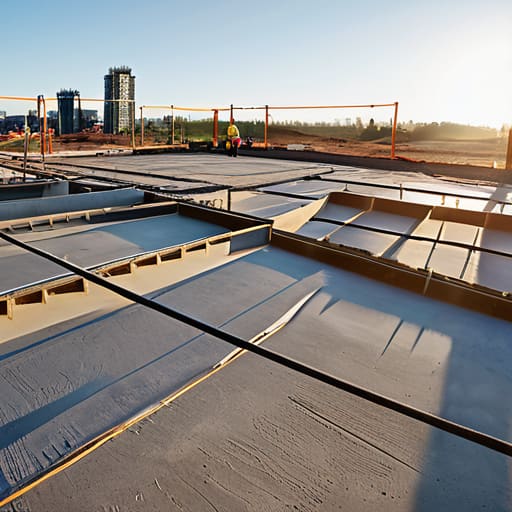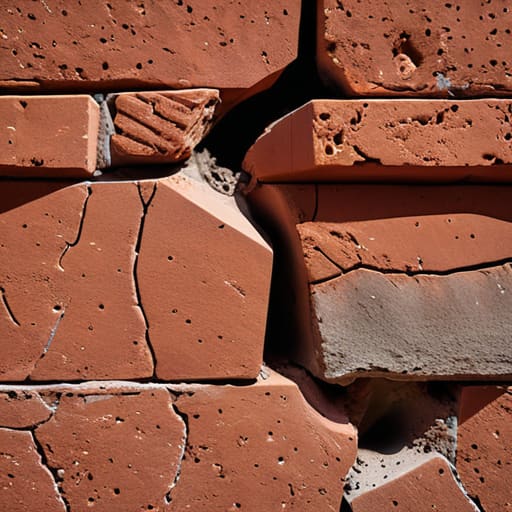
I spent thirty years watching blokes buy the most expensive, high-spec mortar mixes on the market, only to watch their walls split wide open six months later. They’ll spend a fortune on a “complete guide to masonry cracking” that tells them they need better additives or fancy polymers, but they’re looking in the wrong direction. It’s a bloody joke. Most of the time, the bricks and the mortar are doing exactly what they were told to do; the real thief is the unstable ground underneath them or a sub-base that was skimped on to save a few quid. If you’re staring at a fissure in your garden wall, stop worrying about the chemistry of the mix and start looking at the dirt.
I’m not here to sell you a miracle cure or some overpriced chemical sealant. What I’m going to give you is the truth from forty-three years of pouring slabs and laying foundations. This isn’t some academic lecture; it’s a straight-talking look at why things actually fail—from the settlement of the sub-base to the way the weather was handled during the cure. I’ll show you how to spot the difference between a crack that’s just a nuisance and one that means your whole structure is moving.
Table of Contents
Foundation Movement Signs the Ground Is Always the First Culprit
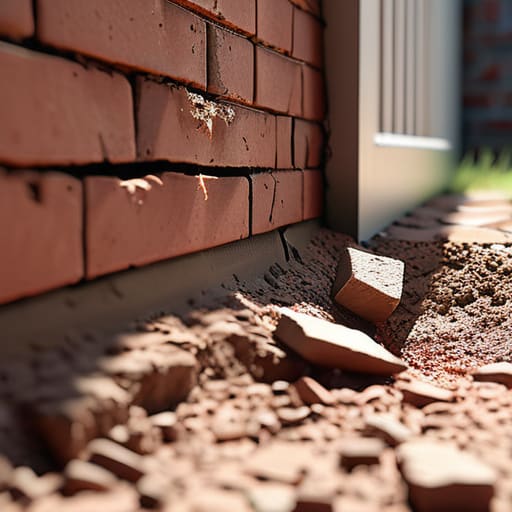
You can stare at a crack in a brick wall until your eyes go blurry, but if you aren’t looking at the soil, you’re wasting your time. Most people think a crack is a masonry problem, but it’s almost always a ground problem. I’ve seen it a thousand times: the house looks fine, then suddenly you’ve got foundation movement signs appearing in the form of diagonal splits above door frames or windows. That isn’t the brick failing; it’s the earth underneath shifting, shrinking, or washing away. If the sub-base wasn’t compacted properly or the drainage was an afterthought, the ground is going to move, and the masonry is just the messenger.
When you see those cracks, you need to look for brickwork settlement issues that follow a pattern. If the cracks are stair-stepping through the mortar, the ground is likely dropping in one specific corner. Don’t just slap some filler in there and hope for the best—that’s a coward’s fix. You need to understand if the soil is drying out or if a leaking pipe is turning your solid footing into soup. Until you settle the ground, any repair you do is just a bandage on a broken leg.
Brickwork Settlement Issues Why the Sub Base Never Lies
You can spend a fortune on high-grade facing bricks and the best lime mortar money can buy, but if you’ve built them on a patch of soft clay or poorly compacted hardcore, you’re just building a very expensive way to watch a house sink. I’ve seen it a thousand times: a client calls me in a panic because they see a diagonal crack creeping up through their gable end, thinking they’ve bought bad bricks. They haven’t. What they have are brickwork settlement issues caused by the ground shifting beneath their feet. If the sub-base wasn’t compacted properly or the drainage wasn’t sorted before the first course went down, the weight of that masonry is going to find the soft spots every single time.
Once that movement starts, it’s a domino effect. You’ll see the cracks first, then you’ll notice mortar joint deterioration as the building tries to pull itself apart to accommodate the new, uneven shape of the foundation. People often mistake these cracks for simple age, but you have to look at the pattern. If the cracks follow a stair-step pattern through the joints, the ground is telling you a story about its instability. You can’t just patch the holes and call it a day; you have to address the fact that the platform underneath is moving.
Five Things You’re Skipping While You’re Staring at the Cracks
- Stop looking at the mortar and start looking at the water. If you’ve got a damp patch near a crack, it’s not a masonry problem; it’s a drainage problem. Water is the enemy of every foundation I ever laid, and if it’s getting under your footings, your bricks are just along for the ride.
- Don’t let them add water to the mix on-site. I’ve seen it a thousand times—the lads want it easier to spread, so they splash a bucket in to loosen it up. You might get a smooth finish for ten minutes, but you’ve just ruined the strength of that slab, and you’ll be seeing cracks in that exact spot by next summer.
- Respect the joints. A wall needs room to breathe and move. If someone’s gone and built a rigid structure without accounting for thermal expansion, the masonry has no choice but to snap itself to relieve the pressure. You can’t fight physics, no matter how much cement you throw at it.
- Watch the weather during the cure. If you pour a big slab or build a heavy section and then let the sun bake it or a frost hit it before it’s set, you’ve lost the battle. Proper curing isn’t an optional extra; it’s the difference between a solid build and a pile of expensive gravel.
- Check your sub-base compaction before the first brick is even laid. You can buy the most expensive masonry in the world, but if you’ve laid it on top of loose, uncompacted soil or poorly graded hardcore, it’s going to move. If the ground isn’t solid, the wall won’t be either.
The Bottom Line on Cracking
Look, if you’ve followed me this far, you should know by now that a crack in your brickwork is rarely just a cosmetic nuisance. It’s a symptom. We’ve talked about how the ground moves, how a rubbish sub-base will betray you years down the line, and how settlement is almost always a story written in the dirt before the first brick was even laid. You can patch a crack with the best mortar in the country, but if you haven’t addressed the structural instability underneath, you’re just putting a plaster on a broken leg. Stop looking for a magic sealant and start looking at what’s supporting the load.
At the end of the day, building something that lasts isn’t about how pretty the finish looks on day one; it’s about the discipline you show when nobody is watching. It’s about the compaction of the hardcore, the moisture content of the soil, and the patience to let things settle properly. Don’t be the person who tries to outrun the physics of the earth by taking shortcuts. Build it right, build it deep, and respect the ground you’re standing on. If you get the foundation and the sub-base right, the rest of the job will take care of itself.
Frequently Asked Questions
If I see a crack that's wider than a ten-pence piece, is it just a bit of seasonal movement or is the whole foundation shifting?
If you can fit a ten-pence piece into that crack, stop calling it “seasonal movement.” That’s not the house breathing; that’s the house moving. Seasonal shifts might give you a hairline fracture, but a gap that wide means something substantial is happening underneath. Either your sub-base has washed out, or the ground is giving way entirely. Don’t wait for it to get worse—get a structural engineer in before that crack starts traveling up the wall.
Can I just patch the crack with some mortar and call it a day, or am I just masking a bigger problem underneath?
If you just smear some mortar over a crack and walk away, you’re not fixing a problem; you’re just painting a lie. I’ve seen plenty of lads try that to save a few quid, only for the crack to spit that new patch out within six months. If the ground is still moving, the crack will come back. You don’t patch a moving target. Find out why it’s splitting first, or you’re just wasting your time and my patience.
How much does the actual weather—like a sudden frost or a heatwave right after the pour—actually affect whether my brickwork stays solid?
Listen, if you think the weather is just an inconvenience, you’ve already lost the battle. A sudden frost can turn your fresh mortar into ice before it’s even set, shattering the bond from the inside out. On the flip side, a heatwave pulls the moisture out too fast, leaving the mix parched and brittle. If you aren’t covering your work or managing the cure, you aren’t building; you’re just waiting for the cracks to appear.