I remember standing on a site in North Yorkshire back in ’94, watching a lad try to stack a crib wall like he was playing with bloody Lego. He thought because the timber was thick and the stone was heavy, the wall was sorted. I watched that whole setup slump and groan within two seasons because he’d ignored the drainage and the footing entirely. People get so caught up in the aesthetics of these structures that they forget the physics of what’s happening behind them. If you want to understand how gabions and crib walls work, you need to stop looking at the pretty stones and start looking at the water and the soil pressure trying to push them over.
I’m not here to give you a textbook lecture or some glossy brochure nonsense. I’m going to tell you how these things actually behave when the ground gets saturated and the frost starts biting. We’re going to talk about the unseen essentials—the sub-base, the weep holes, and the way you layer your fill—so you don’t end up calling me in five years to ask why your expensive landscaping is sliding into the neighbor’s yard.
Table of Contents
The Real Truth About Gravity Wall Stability
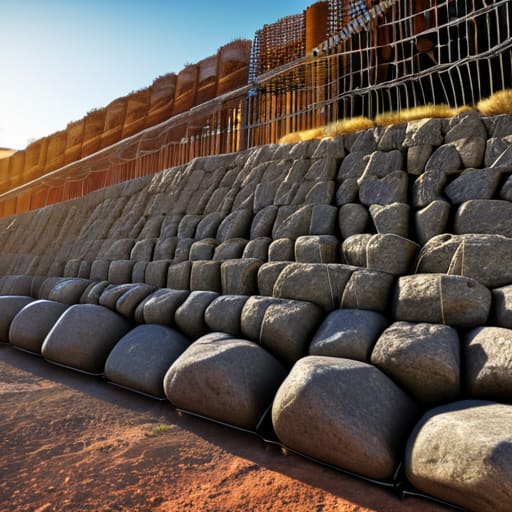
Look, everyone wants to talk about the aesthetics—how nice the stone looks in the baskets or how clean that timber line is. But if you’re asking me about gravity wall stability, you need to stop looking at the face of the wall and start looking at the weight behind it. A gravity wall doesn’t stay put because it’s pretty; it stays put because it has enough mass to fight the lateral pressure of the earth pushing against it. If you haven’t calculated that weight correctly, or if you’ve built it on a soft patch of clay that hasn’t been properly compacted, all the rock-filled wire baskets in the world won’t stop that wall from bowing out like a cheap garden fence.
The real magic—and the real danger—is in how these structures handle the stuff you can’t see. In proper timber cribwork construction, you’re essentially creating a heavy, interlocking skeleton that uses its own bulk to hold the slope in place. But here’s the kicker: if you don’t account for the hydrostatic pressure—that’s the water building up behind the wall—the weight of the wall becomes irrelevant. You can have the heaviest structure on site, but if the water can’t drain through the gaps, it’ll turn your soil into a slurry and push your wall right over.
Why Rock Filled Wire Baskets Fail the Ground First
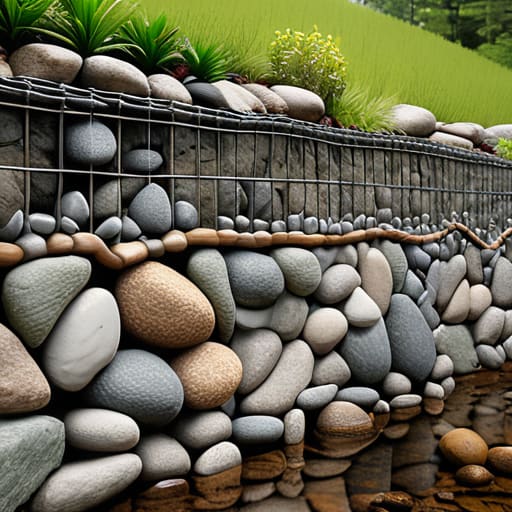
Look, everyone loves the look of rock-filled wire baskets once they’re finished. They look solid, they look permanent, and they look like they belong in a landscape magazine. But I’ve seen too many of these “permanent” structures end up as a pile of rubble at the bottom of a slope because someone forgot that the stones aren’t doing all the heavy lifting. The baskets are just a container; the real battle is happening behind them. If you haven’t sorted your drainage or if you’ve neglected the proper soil erosion control methods behind the mesh, the water pressure will build up behind that wall until it doesn’t matter how heavy your rocks are.
The biggest mistake I see is people treating these like they’re indestructible. They aren’t. If the ground behind the gabion starts washing out through the gaps because you didn’t use a proper geotextile filter fabric, you’re essentially building a wall on a foundation of moving sand. You can have the most expensive stone in the world, but if you don’t manage the hydrostatic pressure, those baskets will bulge, tilt, and eventually blow out. It’s not the wire that fails first—it’s the ground losing its grip.
What they don't tell you in the instruction manual
- Stop worrying about the stone and start worrying about the compaction. If you haven’t got a solid, well-compacted sub-base under those baskets, it doesn’t matter if you’re using granite or limestone—that wall is going to settle unevenly, tilt, and eventually look like a pile of laundry.
- Check your drainage before you even think about filling. Gabions are great because they let water pass through, but if you’ve trapped silt or muck behind the wall because you didn’t use a proper geotextile membrane, you’re basically building a dam, not a gravity wall.
- Watch the “bulge” during the fill. I’ve seen lads rush the job, dumping stone in too fast without tying the baskets tight or bracing the sides. If those wire cages start bowing out halfway up, you’ve already lost the battle; once the steel stretches, it’s never going straight again.
- Don’t be lazy with the stone sizing. You need to hand-place the larger rocks at the face of the wall to keep it looking decent and structurally sound, rather than just tipping a bucket in and hoping for the best. A wall that’s just a loose heap of rubble inside a cage is a wall waiting to fail.
- Mind the joints and the levels. In a crib wall, every timber or block needs to be seated perfectly. If you’re building on a slope and you haven’t stepped those foundations in properly, the whole structure will try to slide down the hill the first time the ground gets soft.
Don't let the pretty stones fool you
At the end of the day, whether you’re stacking wire baskets or timber cribs, you aren’t just building a wall; you’re managing the weight of the earth behind it. I’ve seen too many lads think they can just drop a gabion cage onto a patch of soft mud and call it a day. If you don’t get that sub-base compacted until it’s rock solid, or if you ignore how the water is going to drain through the gaps, you’re just building a very expensive way to watch a landslide. Remember, the stones and the timber are just the visible symptoms of the job—the real work is the foundation and the drainage you do before the first basket is even unrolled.
If you take nothing else away from this, let it be this: respect the ground. You can buy the best materials on the market, but they won’t save a job that was rushed or a site that wasn’t prepped right. Do it properly the first time, focus on the stuff nobody sees, and your wall will still be standing long after the next generation of contractors has come and gone. There’s a certain pride in knowing a job was built to last because you didn’t take the easy way out. Now, go check your sub-base.
Frequently Asked Questions
If the ground is the problem, what's the actual sign that my sub-base is going to fail under a gabion wall?
Look, you won’t see it in the basket, you’ll see it in the soil. If you’re seeing “pumping”—that’s when the ground turns to mush and squirts water and silt up through the gravel when you walk on it—you’re in trouble. Or, if you see the base of your wall starting to sink unevenly, or a slight tilt that wasn’t there yesterday, your sub-base is settling. If the ground is moving, that wall is just a heavy decoration.
How do I know when to use a timber crib wall instead of a wire basket if I'm dealing with a slope that's already moving?
If that slope is already creeping, you’re fighting a moving target. A gabion is just a heavy basket; if the ground slides, the whole unit goes with it. You go with a timber crib wall when you need to interlock with the actual earth. You’re essentially building a skeleton that the soil becomes part of. It’s more work, but it gives you the structural teeth to bite into a shifting slope rather than just sitting on top of it.
Does the size of the stone inside the baskets actually matter for stability, or is it just about filling the space?
It’s not just about filling the space, though that’s what most lads think. If you use stone that’s too small, you’re basically building a sieve that’ll settle and shift the minute it gets wet. You need stone that actually interlocks—sizeable enough to wedge against itself so the basket holds its shape. If the rocks are just rattling around in there like pebbles in a tin, you’ve got no structural integrity. Get the grade right, or don’t bother.