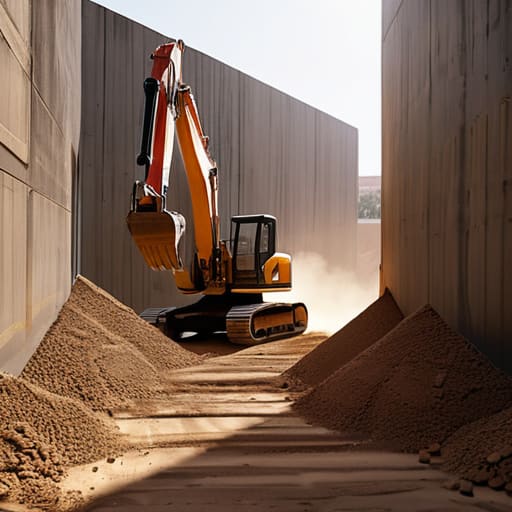
I remember standing on a site in the Midlands about ten years ago, watching a lad spread a gas membrane like he was laying out a tablecloth for Sunday lunch. He was so proud of that shiny plastic, thinking he’d solved the problem, but I could see the sub-grade underneath was a mess of loose, uncompacted rubble and uneven silt. That’s the trouble with most people’s idea of how radon protection is provided; they think it’s all about the fancy membrane you can see in the brochures. They forget that if your ground isn’t tight and your penetrations aren’t sealed like a drum, that membrane is nothing more than expensive wallpaper waiting to fail.
I’m not here to sell you on some high-tech, overpriced gimmick that requires a PhD to install. I’ve spent forty-three years watching pours go wrong because someone got lazy in the hour before the concrete arrived, and I’m going to tell you the truth about what actually works. I’ll show you the real sequence of events—from the sub-base to the final seal—so you know exactly how radon protection is provided without the nonsense. We’re going to focus on the unseen details that actually keep the gas out of the building.
Table of Contents
Why Radon Barrier Installation Fails at the Sub Grade
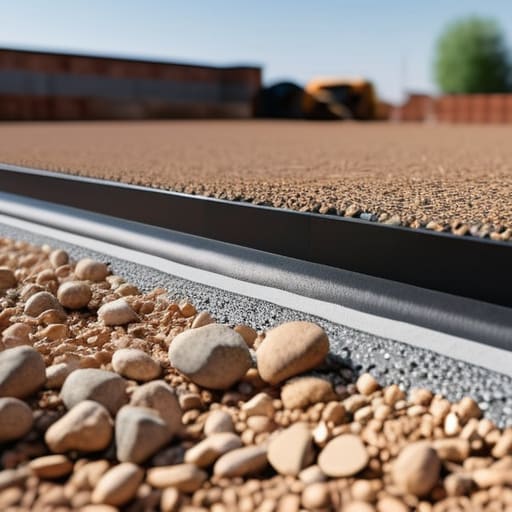
I’ve seen it a hundred times: a site manager gets a shipment of high-spec membranes and thinks the job is halfway done. They treat the radon barrier installation like it’s just a bit of plastic sheeting to be rolled out and taped. But if you’re laying that membrane over soft spots, organic matter, or a sub-grade that hasn’t been compacted to spec, you’ve already lost the battle. I don’t care how expensive the membrane is; if the ground underneath it settles or shifts, that barrier is going to stretch, crease, or tear. Once you’ve got a puncture or a gap in a seam caused by a dodgy sub-base, you’re basically just inviting the gas to find its way up.
The real issue is that people focus on the fancy hardware and forget that the ground is a living thing. If you haven’t managed your moisture levels or ensured a clean, level surface, you’re setting up a failure before the first truck even arrives. You can talk all you want about radon mitigation systems and technical specs, but if the foundation of that system—the actual soil beneath the slab—is poorly prepared, you’re just pouring money down a drain.
The Hidden Truth About Soil Gas Depressurization
Now, everyone loves to talk about the fancy membranes and the heavy-duty plastic, but if you want to actually stop the gas, you need to understand soil gas depressurization. It isn’t just about putting a barrier in the way; it’s about managing the pressure. If you just lay a sheet and hope for the best, you’re playing a dangerous game. You have to create a way for that gas to be pulled away from the structure before it ever gets a chance to find a weakness in your slab.
The real magic happens in the void you create beneath the concrete. When we talk about effective radon mitigation systems, we aren’t just talking about a piece of plastic; we’re talking about a controlled environment. You need a way to vent that pressure—usually through a perforated pipe sitting in a layer of clean, crushed stone. If you skip the drainage layer or fail to connect it to a proper suction point, you’ve just built a very expensive, very useless sandwich. You can have the best radon barrier installation in the county, but without the right suction, you’re just trapping the gas right where you don’t want it.
Don't Let the Pour Ruin the Protection: 5 Things You Can't Afford to Skip
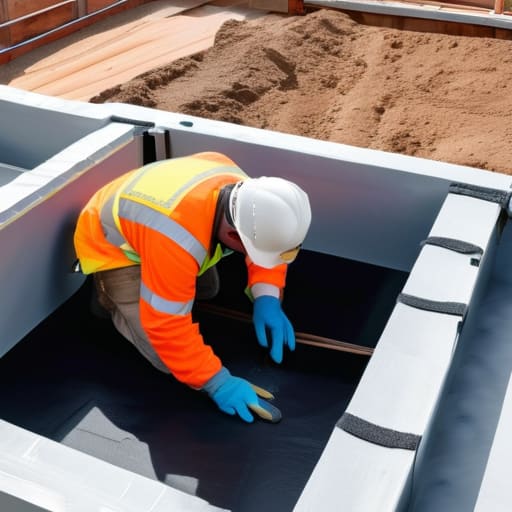
- Check your membrane before the first truck arrives. I’ve seen lads roll out a gas barrier and then spend the next hour walking all over it with heavy boots or dragging rebar across it. Once you’ve got a pinhole or a tear, that membrane is nothing more than expensive plastic wrap; you might as well not have laid it at all.
- Seal the penetrations like your life depends on it. It’s never the middle of the slab that lets the gas in; it’s the gaps around the service pipes and the thickened edges. If you aren’t using the right proprietary seals around every single pipe coming through that membrane, you’re just leaving a backdoor open for the radon.
- Stop treating the sub-base like a dumping ground. For a radon sump or a ventilated layer to work, you need clean, consistent aggregate, not a mess of soil and debris mixed in. If your sub-grade is uneven or contaminated, your airflow is going to be choked off before the system even gets a chance to breathe.
- Watch the water, not just the concrete. If you’ve got standing water sitting on top of your membrane because your sub-base wasn’t graded right, you’re asking for trouble. That moisture creates a mess for the gas to move through, and it can compromise the bond of your protection layers before the slab even sets.
- Don’t get lazy with the joints. If you’re cutting expansion joints later, you better be damn sure you’re sealing them with something that actually maintains the gas barrier integrity. A crack in the slab is a highway for radon, and if your joint sealant isn’t up to the job, the whole protection system is a waste of time.
Don't Let the Easy Way Out Become a Long-Term Failure
At the end of the day, providing radon protection isn’t about slapping a bit of plastic down and calling it a day. It’s a sequence. If you haven’t sorted the sub-grade so it’s stable and clean, if you haven’t taped those membrane joints like your life depends on it, and if you haven’t planned for the gas to actually have somewhere to go via depressurization, then you’re just building a trap. You can buy the most expensive, high-spec membrane on the market, but if the foundation of the installation is rushed or the sub-base is uneven, that gas will find the path of least resistance. I’ve seen too many lads try to save twenty minutes on a membrane install only to spend the next twenty years dealing with the fallout.
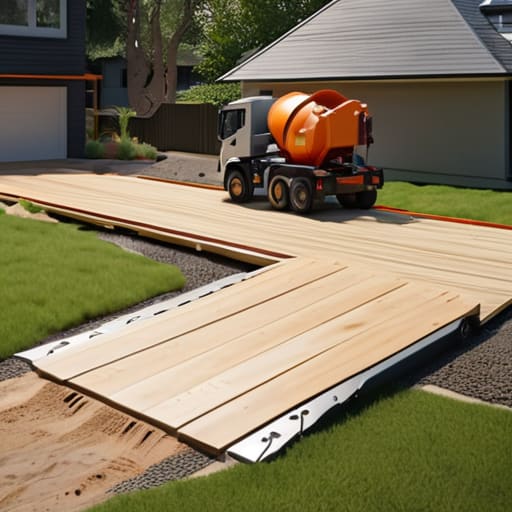
My advice? Stop looking at the concrete and start looking at what’s happening underneath it. The real work—the part that actually keeps a family safe—happens in the dirt and the prep work before the first truck even pulls up to the site. If you do the groundwork right, the rest of the build follows suit. But if you try to cut corners on the invisible stuff, you’ll eventually pay for it in cracks, gas, and regret. Do it once, do it right, and do it according to the spec, not according to how much time you’ve got left on the clock.
Frequently Asked Questions
If I've already poured the slab and I'm seeing cracks, is there any way to fix the radon protection without ripping the whole thing out?
Look, I’ve seen this enough to know the sinking feeling in your gut. If the slab is down and you’re seeing cracks, you’ve missed the window for a proper membrane. You can’t “fix” a barrier that’s buried under six inches of concrete. Your only real options now are sealing those cracks with specialized radon-proof resins or, if it’s bad, installing a sub-slab suction system through drilled holes. It’s a band-aid, not a cure, but it beats a total rip-out.
How do I know if the guy laying the membrane is actually sealing the penetrations, or just slapping it over the pipes and hoping for the best?
Look, you can’t just trust a man’s word on this; you have to look at the details. If he’s just throwing the membrane over a pipe and calling it a day, he’s a liability. I want to see proper sealant—specialist mastic or proprietary clamping kits—around every single penetration. If the tape looks like it was applied in a gale or the sealant is thin and uneven, he’s cutting corners. If it’s not tight, it’s not done.
When you're talking about the sub-base, does the type of stone or the compaction level actually change how much gas pressure we're dealing with under the slab?
It’s not just about the pressure; it’s about the pathway. If you’ve got a loose, poorly compacted sub-base with big voids, you’re essentially building a highway for that gas to travel straight to your membrane. I’ve seen lads use cheap, inconsistent hardcore that leaves air pockets everywhere. That creates uneven pressure points and makes the whole system unpredictable. You want a dense, uniform layer. If the ground isn’t solid and consistent, your protection is just guesswork.