I remember standing on a driveway in Surrey about ten years back, looking at a slab that had cracked clean through like a biscuit. The homeowner was pointing at the concrete, blaming the mix, swearing he’d paid for the top-tier stuff. I didn’t even look at the batch ticket; I just looked at the massive willow tree hanging over the fence. People spend thousands on high-strength additives and fancy reinforcement, thinking that’s the magic fix, but they completely ignore how trees affect foundations by sucking the life right out of the ground. You can pour the most expensive, reinforced slab in the world, but if you’ve got a thirsty root system playing tug-of-war with your sub-base, that concrete doesn’t stand a chance.
I’m not here to sell you on expensive chemical additives or complex structural engineering jargon that doesn’t mean a damn thing on a real site. I’m going to tell you what I’ve learned from forty-three years of watching ground move under my feet. We’re going to talk about soil moisture, root depth, and sub-base stability—the stuff that actually matters. By the time I’m done, you’ll know exactly why that tree is a threat and how to prepare your ground so you aren’t calling me to fix a disaster in five years’ time.
Table of Contents
Soil Moisture Depletion by Roots the Silent Sub Base Thief
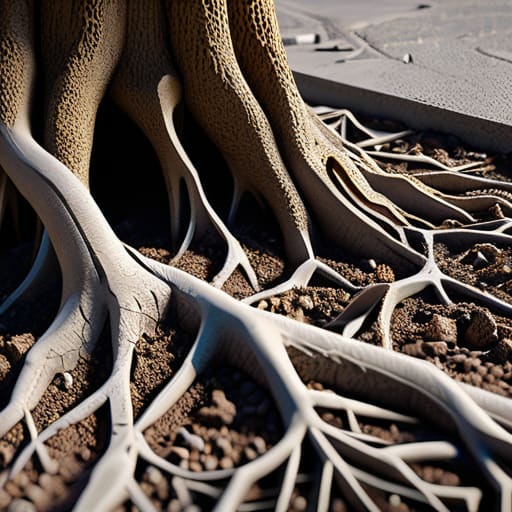
People think a foundation fails because the mix was too lean or the weather turned sour, but half the time, it’s a slow-motion robbery happening underground. You see it all the time: a perfectly level slab starts tilting or develops a hairline fracture, and the homeowner blames the concrete. They’re wrong. The real culprit is soil moisture depletion by roots. Those roots aren’t just sitting there; they are actively drinking the water out of the ground, and when they suck the moisture away from your sub-base, that soil shrinks. It pulls away from the underside of your footing like a rug being yanked out from under a chair.
Once that soil loses its volume, you get uneven settlement. You can’t pour enough strength into a slab to fight the earth moving beneath it. This is why I always tell people to watch their root system expansion patterns before they even think about a new build. If you’ve got a thirsty willow or a massive oak working its way toward the house, they are going to mine that soil for every drop of water they can find, leaving your foundation hanging in mid-air.
Root System Expansion Patterns That Defy Your Slab
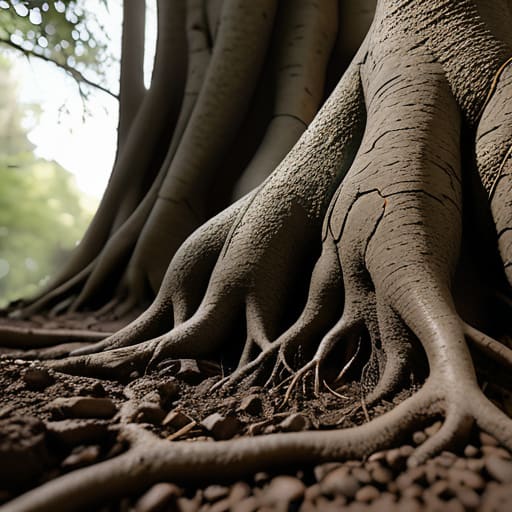
Now, don’t go thinking those roots are just some slow-moving fingers poking at your concrete. They don’t work like that. People make the mistake of looking for a massive, thick root hitting a wall, but that’s rarely the culprit. It’s the root system expansion patterns that get you. You’ve got these fine, hair-like feeder roots spreading out far wider than the canopy itself. They’ll travel ten, fifteen feet away from the trunk, searching for a drink. They aren’t looking to break your slab; they’re looking to suck the life out of the ground it’s sitting on.
When those roots go on a feeding frenzy, they pull the water right out from under your compacted sub-base. This leads to foundation settlement and vegetation issues that most homeowners won’t notice until they see a hairline crack in the kitchen tiling. By the time you see a real split in the masonry, the ground has already shifted. You can pour the thickest, most reinforced slab in the county, but if those roots have turned your stable sub-base into a dry, shrinking sponge, that concrete is going to move with the earth.
Five Ways to Stop a Tree from Taking Your Slab for a Ride
- Check the species before you dig, not after. You can have a perfectly compacted sub-base, but if you’re planting a willow or a poplar next to a new pour, you’re basically inviting a high-powered water pump to sit right against your footings.
- Don’t trust a shallow trench just because it looks solid. I’ve seen lads skip the deep inspection, only to find out six months later that the root ball is already searching for the moisture trapped under the concrete.
- Manage your drainage like your life depends on it. If you let water pool between the tree and the foundation, you’re creating a localized zone of soft soil that’ll settle unevenly, and once that slab starts tilting, you aren’t fixing it with a bit of mortar.
- Use root barriers, but don’t be lazy about the installation. A plastic sheet that hasn’t been seated properly into the sub-grade is just a piece of rubbish; the roots will simply go under it and find the one soft spot in your foundation.
- Keep an eye on the seasonal shifts. A slab might look fine in the summer, but once the ground dries out and the tree starts sucking the moisture out of the clay, that’s when the shrinkage happens and the cracks start appearing.
Don't Blame the Mix When the Ground Fails You
At the end of the day, you can order the highest grade of concrete the plant can mix, but it won’t save you from a poorly planned site. We’ve looked at how those thirsty roots act like a sponge, sucking the moisture right out from under your slab, and how their physical expansion can exert enough pressure to crack even a well-reinforced footing. If you ignore the relationship between the biology and the sub-base, you aren’t just building a foundation; you’re setting a timer on a structural failure. You have to respect the tree’s reach and, more importantly, you have to respect the stability of the soil underneath it before that first truck even pulls up to the site.
I’ve spent forty-three years watching people chase cracks with epoxy and sealant, trying to fix a symptom instead of the cause. It’s a losing game. If you want a slab that lasts longer than the person who poured it, stop obsessing over the surface finish and start looking at what’s happening beneath the dirt. Do the prep work, manage your moisture, and plan for the life of the landscape, not just the life of the pour. A solid foundation isn’t just about what you see on top; it’s about having the sense to know that the hour before the pour is where the real work happens.
Frequently Asked Questions
If I’ve already got a crack appearing in my slab, is it too late to deal with the tree, or am I just patching a sinking ship?
If you’re seeing cracks, the battle is already well underway. You aren’t just patching a sinking ship; you’re trying to plug a leak while the tide is still coming in. Patching the crack is purely cosmetic—it’s a band-aid on a broken bone. If you don’t address the tree or the moisture levels in that sub-base now, that new patch will pop right out the next time the ground shifts. Address the cause, or don’t bother with the repair.
How close can I actually plant something without needing to dig a massive retaining trench or a specialized footing?
Look, there’s no magic number, but if you’re planting anything bigger than a shrub within ten feet of a slab, you’re asking for trouble. I’ve seen plenty of lads think they can squeeze a willow or a birch right up against a patio edge. Don’t. You want to stay at least double the mature canopy spread away if you want to sleep easy. If you can’t do that, you’d better be looking at root barriers, not just hoping for the best.
Does it matter what kind of ground I'm building on—will clay soil make these root problems twice as bad as sandy ground?
Twice as bad? It’s a whole different ballgame. If you’re on sandy ground, the soil stays relatively stable even when those roots go hunting for water. But clay? Clay is a living, breathing nightmare. It shrinks when it gets dry and swells when it gets wet. When those roots suck the moisture out of a clay sub-base, that ground moves. It’s not just a little settling; it’s a structural shift that’ll crack a slab like a biscuit.