I walked past a driveway last Tuesday—brand new, high-end porcelain slabs, cost the homeowner a small fortune—and within six months, it looked like a jungle. The owner was on his hands and knees with a bottle of expensive chemical spray, swearing up and down that he couldn’t figure out how weeds are controlled in paving properly. It’s the same old story. People think they can just buy a fancy “weed-proof” membrane or a magic bottle of poison to fix the problem, but they’re just throwing money at a symptom. The truth is, if you haven’t got the sub-base sorted and the joints packed tight with the right grit, you aren’t building a driveway; you’re just building a very expensive nursery for dandelions.
I’m not here to sell you a miracle product or some overpriced landscaping gimmick. I’ve spent forty-three years watching guys try to skip steps, and I’ve seen exactly where the rot sets in. In this post, I’m going to tell you how it’s actually done—from the ground up. We’re going to talk about compaction, the right kind of jointing sand, and why the prep work is the only thing that actually keeps the green stuff from moving in.
Table of Contents
The Invisible War Under Your Landscape Fabric Installation
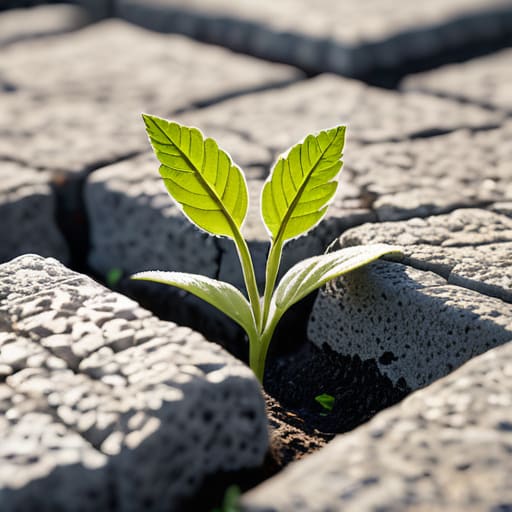
Now, listen. I see people throwing down a roll of landscape fabric like it’s some kind of magic shield, thinking they’ve won the battle before it’s even started. Let me tell you something: fabric isn’t a cure-all, and if you’re relying on it to do the heavy lifting, you’re dreaming. The real war is happening in the inches of grit and stone beneath your pavers. If your base isn’t compacted until it’s rock hard, you’re going to get settling. Once that happens, you get gaps. And where there are gaps, there is life.
Most lads think they can just sprinkle some herbicide for paving cracks every few months and call it a day, but that’s just a temporary bandage on a gaping wound. If you haven’t got a solid, stable foundation, the ground is going to shift, the joints are going to open up, and the seeds will find their way in regardless of what’s underneath. Proper landscape fabric installation is only useful if the sub-base is actually doing its job of staying still. If the ground moves, the fabric won’t save you; it’ll just become a soggy layer of compost for the next batch of weeds.
Why Paver Joint Sand Types Determine Your Long Term Success
You can spend a fortune on high-end stone, but if you treat the joints like an afterthought, you’re just building a very expensive garden bed for weeds. I’ve seen lads try to save a few quid by using cheap, washed sand that washes out the first time a heavy rain hits. Once that sand is gone, you’ve got a void, and nature is going to fill it with something green and annoying. When people ask me about preventing weed growth in driveway projects, they usually think the problem is the stone. It isn’t. It’s the material you’re using to lock those stones together.
If you want to do it right the first time, you need to understand the different paver joint sand types available. Most of my clients nowadays go for the polymeric stuff. Now, don’t get me wrong, it’s not a magic wand, but the polymeric sand benefits are real if you actually follow the installation instructions. It hardens up to create a seal that stops the wind and rain from stripping your joints bare. But remember: if you don’t sweep it clean and get it bone-dry before it sets, you’ll end up with a sticky, ruined mess that’ll make you wish you’d just stuck to the old ways.
Stop Chasing the Greenery and Start Fixing the Foundation
- Stop treating the symptoms with weedkiller. If you’ve got growth coming up through the joints, it’s because you’ve either got organic matter sitting in the gaps or your sub-base is so loose it’s letting moisture sit right where the seeds want to live. Kill the weed, but fix the gap.
- Use polymeric sand, and don’t try to skimp on the installation. You can’t just sweep it in and call it a day; you have to vibrate it into the joints so it’s packed tight. If there’s air or space left in that joint, nature is going to fill it for you, and it won’t be with sand.
- Watch your drainage. I’ve seen more weeds in paving than I care to admit simply because the site was graded poorly. If water pools on your patio or sits in the joints after a heavy rain, you’ve basically built a luxury hotel for weed seeds. The water needs to move, or the weeds will stay.
- Clean your joints properly before you re-sand. I’ve seen lads try to pour new sand over old, dirty grit. That’s a waste of time. If you don’t get the old silt and decomposed organic matter out of there first, you’re just burying a feast for the next batch of weeds.
- Don’t forget the edges. People spend all their time worrying about the middle of the patio and forget that the perimeter is where the real battle is won. If your edge restraints aren’t solid and your sub-base doesn’t extend right up to the boundary, the ground will creep, the joints will open, and the weeds will march right in from the garden.
Stop Chasing the Green and Start Fixing the Foundation
At the end of the day, if you’re spending every weekend with a bottle of weedkiller or a screwdriver trying to pry sprouts out of your joints, you’ve already lost the battle. You can buy the most expensive paving stones on the market, but if you’ve skipped the heavy compaction of your sub-base or used the wrong grade of jointing sand, you’re just building a luxury hotel for weeds. It isn’t about the plants; it’s about the stability of the entire system. You have to get the fabric right, the sand right, and the compaction right. If you don’t respect the layers beneath the surface, the surface will eventually fail you.
I’ve seen plenty of lads try to take the easy way out, thinking they can just slap some pavers down and call it a day. But real groundwork isn’t about the finish you see in a brochure; it’s about the work you do when nobody is watching. Do it right the first time—compact that base until it rings, choose your sand with intent, and don’t let anyone talk you into cutting corners. If you build it with a bit of proper discipline, you won’t be fighting the ground for the next twenty years. Build for the long haul, not for the quick photo.
Frequently Asked Questions
If I've already got weeds coming up through my joints, is there any point in just spraying them, or do I need to dig everything out and start the sub-base again?
Look, if you’ve got weeds poking through, spraying is just a temporary bandage on a broken limb. You can kill the green bits, but you aren’t killing the problem. If the weeds are thick, it means your jointing sand has washed out or decomposed, leaving a pocket of organic dirt for seeds to call home. If the ground feels soft underfoot, stop wasting money on spray and start digging. Fix the base, or you’re just gardening on a driveway.
You mentioned adding water to concrete makes it fail, but how much moisture do I actually need to keep in the joints to stop the sand from washing out or cracking?
Listen, you aren’t looking for a specific measurement; you’re looking for the right state of matter. If you’re using polymeric sand, you want it damp enough to pack tight, like moist beach sand, but not so wet that it turns into soup and runs out of the joints. If it’s soupy, you’ve just made mud that’ll wash away with the first rain. Get it damp, sweep it in, and let the chemistry do the work.
Why bother with expensive polymeric sand when a bit of cheap kiln-dried sand seems to do the job just fine for the first few months?
Because “the first few months” is exactly when the real work begins. Kiln-dried sand is fine if you enjoy getting on your hands and knees every spring to sweep out the grit and fight the inevitable creep of weeds. Polymeric sand isn’t a luxury; it’s a binder. It turns that sand into a solid unit that won’t wash out in a heavy downpour or blow away in a gale. You pay more now, or you pay in sweat later.