I’ve lost count of how many times I’ve stood in a client’s kitchen, watching them point at a patch of black mould on the ceiling and swear the house is “rotting.” They’ll talk about structural failures and expensive damp-proofing treatments like they’re reading from a brochure, but half the time, they’re just chasing ghosts. Most people spend a fortune trying to fix a problem that doesn’t exist, simply because they don’t understand how condensation differs from damp. If you’re looking at a bit of surface moisture and assuming your foundations have failed, you’re about to throw your money down the drain.
I’m not here to give you a lecture or sell you some chemical spray that’ll wash away in a month. I’m going to tell you what I’ve seen after forty-three years of looking at what happens when water meets a building. We’re going to strip away the jargon and look at the actual mechanics—the air, the temperature, and the ground. By the time I’m done, you’ll know exactly whether you need to open a window or if you actually have a serious issue with your membrane and sub-base.
Table of Contents
Identifying Moisture Issues Before the Rot Sets in
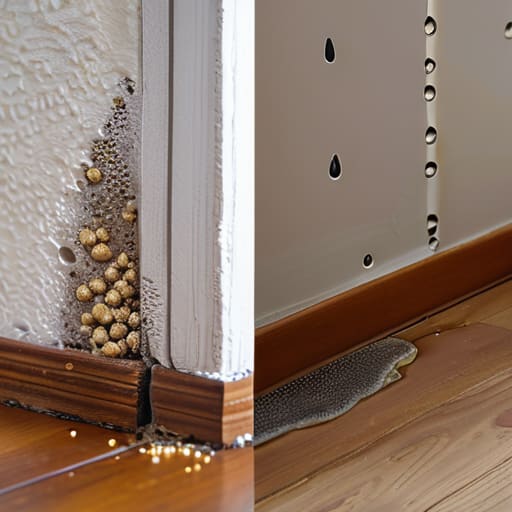
If you’re walking through a room and you see those tell-tale dark spots creeping up the corners of the ceiling, don’t go tearing the plaster off just yet. You need to look at the pattern. If the moisture is hugging the ceiling or gathering around window frames, you’re likely dealing with condensation—basically the air hitting a cold surface and giving up. But if you see those nasty patches starting low, creeping up from the skirting boards like it’s climbing a ladder, that’s a different animal entirely. Those are the classic signs of rising damp, and it usually means your DPC (damp proof course) is either non-existent or has been compromised by some cowboy work during a renovation.
The real trick to identifying moisture issues before you’re staring at a pile of rotten timber is to watch the temperature. If you’ve got a cold spot on a wall where the heat isn’t reaching, you’ve got a thermal bridge, and that’s where the moisture will always settle. Don’t just slap some paint on it and call it a day; if you don’t fix the temperature or the ground-level leak, you’re just painting over a problem that’s going to eat your house from the inside out.
Thermal Bridging Explained the Cold Spots Hiding the Truth
Now, you can scrub those walls until they shine, but if you don’t understand thermal bridging explained, you’re just fighting a losing battle. I’ve seen it a thousand times on old builds: a bit of steel or a concrete lintel runs straight through the insulation, creating a literal highway for heat to escape. That spot gets colder than the rest of the room, and the moment your warm, moist air hits it, you’ve got a localized dew point. It’s not that your walls are “leaking” water; it’s that the temperature drop is so sharp the air has no choice but to dump its moisture right there on the surface.
This is where people get confused and start looking for signs of rising damp when they should be looking at their building envelope. You’ll see those tell-tale dark patches in the corners or behind the wardrobes, and you’ll think the ground is pushing water up. Usually, it’s just a cold spot acting like a magnet for condensation. If you don’t address these thermal breaks, no amount of black mold prevention tips or fancy dehumidifiers will stop the cycle from repeating every single winter.
How to Tell if It’s Just the Air or a Proper Problem
- Check the pattern. If you’ve got beads of water sitting on the surface or spotting on the windows, that’s condensation—the air is just hitting a cold patch. But if the moisture is soaking into the plaster or coming up from the floorboards, you’re looking at damp, and that’s a different animal entirely.
- Look for the “telltale” signs of rot. Condensation is a surface nuisance that you can wipe away, but real damp leaves a trail. If you see bubbling paint, crumbling plaster, or that musty, earthy smell that lingers even when you open a window, the moisture is already inside the structure.
- Watch the weather. Condensation loves a cold snap; it’ll show up the minute the temperature drops and the heating goes on. Damp, however, doesn’t care about a bit of frost—it’s a constant, creeping presence that follows the rain or a failure in your groundworks.
- Test the “wipe test.” If you can wipe the moisture off with a cloth and the wall underneath feels solid and dry, you’ve just got a ventilation issue. If you wipe it and the wall feels soft, spongy, or stays wet, your membrane or your sub-base has let you down.
- Mind the salt. If you see white, crusty patches on your masonry or near the floor, that’s efflorescence. That’s salt being pushed out of the material by moving water. Condensation doesn’t leave salt behind; only real, penetrating damp does that.
Bottom Line: Don't Get It Wrong
At the end of the day, you’ve got to stop treating every bit of moisture like it’s the same problem. If you’re seeing beads of water on a window or a bit of surface sweat on a cold wall, that’s your condensation—it’s an air and temperature issue that needs better ventilation or a bit of warmth. But if you see that dark, spreading stain or smell that heavy, earthy rot, you’re looking at damp, and that’s a different beast entirely. Damp means something has actually failed—whether it’s a cracked membrane, a blocked drain, or a sub-base that wasn’t compacted right. You can wipe away condensation with a cloth, but you can’t wipe away a structural failure.
My advice? Stop looking at the surface and start looking at the source. Whether you’re pouring a new slab or just trying to keep your living room dry, the secret is always in the prep and the protection. Don’t wait until the rot has taken hold to start asking questions; by then, you’re just paying to fix a mistake that could have been avoided with a bit of foresight. Get your moisture right, respect the physics of your building, and do the job properly the first time. It’s much cheaper to build it right than to spend your retirement explaining to someone why their floor is turning into a sponge.
Frequently Asked Questions
If I see black spots on the walls near the floor, is that just condensation from the air, or is my sub-base letting moisture wick up through the slab?
If those black spots are hugging the skirting board, don’t go blaming the air just yet. If it’s condensation, you’ll see it higher up or on the windows too. But if it’s concentrated right at the floor line, your sub-base has likely failed you. You’re looking at rising damp—moisture wicking straight up through a cracked membrane or a porous slab. It’s not the air acting up; it’s the ground pushing through.
Can a crack in my concrete floor actually be the reason I’m getting damp patches on the skirting boards?
Short answer? Aye, it absolutely can. If you’ve got a crack in that slab, you’ve basically handed the ground a straw to suck moisture straight up into your house. That crack breaks the seal of your damp-proof membrane, and once that’s gone, the ground isn’t just sitting under your floor—it’s breathing through it. That moisture travels up the easiest path it can find, which is usually right behind your skirting boards.
I've tried wiping the moisture away, but it keeps coming back—does that mean I've got a structural damp problem or just a ventilation issue?
If you’re wiping it away only for it to return like a bad habit, stop looking at the wall and start looking at the air. If it’s beads of water on the surface, that’s your ventilation failing you—the room’s just breathing wrong. But if that wall feels cold, clammy, or the plaster is actually softening, you’ve likely got a moisture problem coming from behind or underneath. Don’t just clean it; find out where it’s coming from.