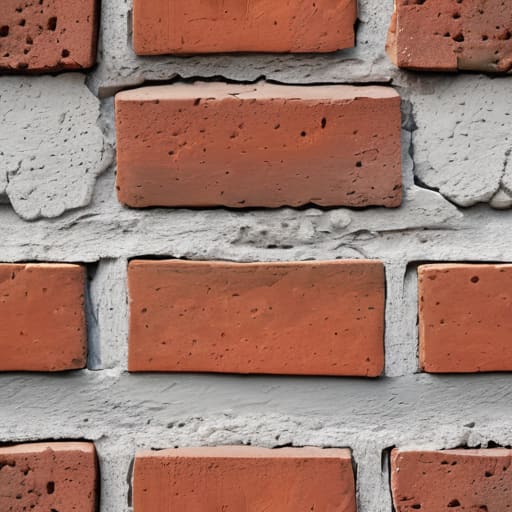
I remember standing in front of a beautiful 18th-century cottage last summer, watching a lad in a brand-new hi-vis jacket scrape away at the mortar with a grinder. He looked proud of himself, thinking he was “fixing” the place up by slapping in a fresh, grey line of modern cement. I wanted to grab him by the shoulders and tell him he was essentially strangling that house. People think they’re doing a favour by making a wall look neat and tidy, but they don’t realize that understanding how cement pointing damages old walls is the difference between preservation and slow-motion demolition. You aren’t just patching a gap; you’re changing how that entire structure breathes.
I’m not here to give you a lecture from a textbook or some expensive consultant’s report. I’m going to tell you what I’ve seen with my own eyes after forty-three years of working with groundworks and masonry. I’ll explain why that hard cement is a death sentence for soft brick, and I’ll show you why the wrong mix is more dangerous than no mortar at all. We’re going to talk about lime, moisture, and why you need to stop treating old stone like it’s a modern concrete slab.
Table of Contents
Moisture Entrapment in Old Walls the Silent Killer
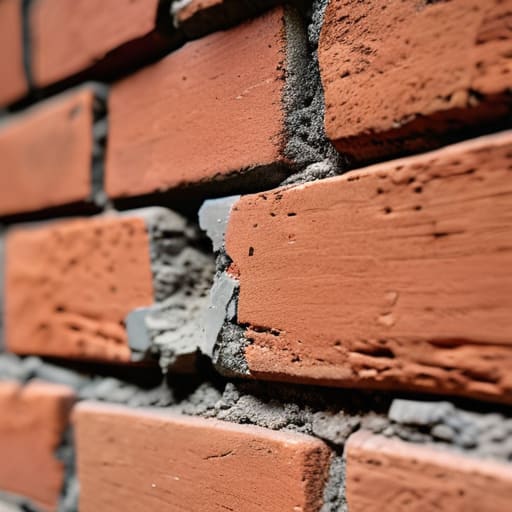
Here is the problem with most modern lads heading onto a heritage site: they see a gap in the mortar, grab a bag of cement, and think they’re doing the owner a favour by making it “stronger.” They don’t realise that old walls weren’t built to be sealed shut; they were built to breathe. When you use cement, you’re essentially putting a waterproof plastic coat over a living thing. Instead of the damp evaporating through the joints like it’s supposed to, you’re forcing it deep into the heart of the brick or stone. This moisture entrapment in old walls is a slow-motion disaster that nobody sees until the damage is done.
Once that water is trapped, it has nowhere to go but out through the face of the masonry itself. As the moisture tries to escape, it carries salts with it, leading to nasty salt crystallization in brickwork that eats away at the material from the inside out. You’ll eventually see the face of the brick just start to flake and crumble away—what we call spalling. If you aren’t careful, you’ll spend years trying to fix a “solid” wall that’s actually rotting from the core because you forgot about the breathability of historic masonry.
Why Modern Cement Destroys the Breathability of Historic Masonry
The problem is a simple matter of physics that most modern builders completely ignore. Old bricks and stones were designed to live and breathe; they were meant to soak up a bit of damp and then let it evaporate back out through the joints. When you use a modern, rock-hard cement mix, you’re essentially putting a waterproof plastic seal over a sponge. You’ve stripped away the breathability of historic masonry, and that’s where the trouble starts. Instead of the moisture escaping through the mortar, it’s forced deeper into the brick itself.
Once that water is trapped, it has nowhere to go but out through the face of the brick. As it dries, it carries minerals with it, leading to salt crystallization in brickwork that creates internal pressure no brick can withstand. This is exactly how you end up with preventing masonry spalling becoming an impossible battle. The face of the brick just starts flaking off in chunks because the cement was too strong to give way. In my experience, if the mortar isn’t the softest part of the wall, the wall is going to pay the price.
Five Ways You’re Accidentally Killing Your Walls
- Stop treating old stone like a modern brick wall; if you use a cement mix that’s harder than the masonry itself, the stone becomes the sacrificial lamb when the building shifts or expands.
- Watch your mortar strength—if you’re mixing a heavy-duty, high-strength cement for a soft lime-based wall, you aren’t “fixing” it, you’re just creating a pressure cooker for moisture.
- Check your joints for “spalling”—if you see the face of the brick or stone flaking off after a cement re-point, it’s because the water had nowhere to go but out through the stone.
- Don’t get lazy with the depth of your raking; if you just smear cement over the surface instead of cleaning out the old, crumbly stuff properly, you’re just burying the rot.
- Learn to respect the weather—applying a hard, non-breathable cement patch during a damp spell means you’re sealing in liquid that’ll spend the next decade eating your wall from the inside out.
The Bottom Line on Old Walls
At the end of the day, you have to stop looking at pointing as just a way to make a wall look tidy and start seeing it for what it actually is: a management system for moisture. If you use a modern, hard cement mix on a building that was designed to breathe, you aren’t fixing anything; you’re just building a trap. You’ll end up with water getting stuck behind that unyielding grey skin, freezing in the winter and shattering the face off your bricks once the pressure builds up. I’ve seen enough blown masonry and crumbling corners to know that the wrong mortar is a slow-motion wrecking ball. You can’t cheat the physics of an old building by trying to make it “stronger” with something that doesn’t move.
If you’re looking at a heritage property, do yourself and the next owner a favour: get the lime right. It might take a bit more patience, and it certainly won’t be as easy as slapping on a bag of ready-mix, but it’s the only way to respect the structure. We spend our lives building things to last, and that means understanding that sometimes strength comes from flexibility, not rigidity. Don’t be the person who tries to solve a breathing problem with a gag. Do the job properly, use the right materials for the era, and build something that actually survives the seasons.
Frequently Asked Questions
If I can see the cement pointing is already cracking or falling out, does that mean the wall is already structurally compromised?
Look, if the pointing is cracking and falling out, it’s a sign the wall is fighting itself. The cement is too hard, and it’s likely pushing against the stone or brick instead of letting it move. Does it mean the whole building is coming down tomorrow? Not necessarily. But it does mean the moisture is trapped and the masonry is taking the brunt of the stress. You’ve got a headache brewing, and you’d better sort it before that stress turns into real structural movement.
Is there any way to safely strip out the hard cement without taking the face of the old bricks with it?
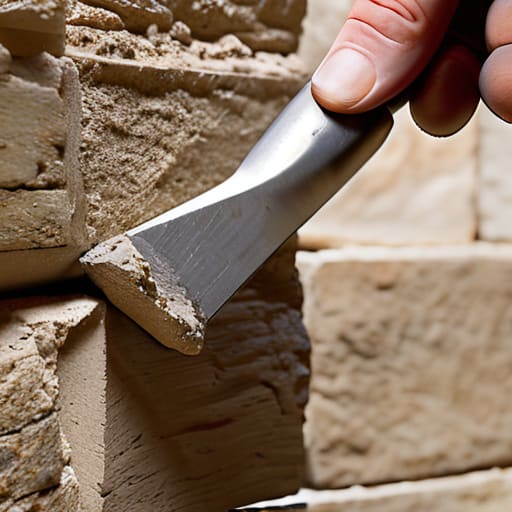
Look, you can’t just go at it with a heavy-duty angle grinder and hope for the best; you’ll chew the face off those bricks before you’ve even made a dent in the cement. You need to be surgical. Use a hammer and a narrow bolster chisel, or better yet, a small pneumatic scaler if you’ve got one, but keep it light. Work the edges of the joint first to break the bond. It’s slow, tedious work, but it’s the only way to do it right.
If I can't use modern cement, how do I know which specific lime mix is right for my particular type of stone or brick?
Look, I’m not a chemist, but I know this: you don’t just grab any bag of lime and hope for the best. If you’re working with soft, old red bricks, you use a weak, fat lime mix. If it’s hard granite, you can go a bit stronger. The rule is simple: your mortar must always be softer than the stone itself. If the mortar is tougher than the brick, the brick breaks. Always test a small patch first.