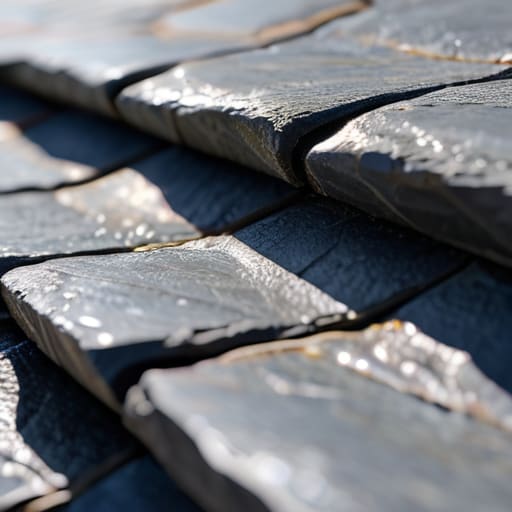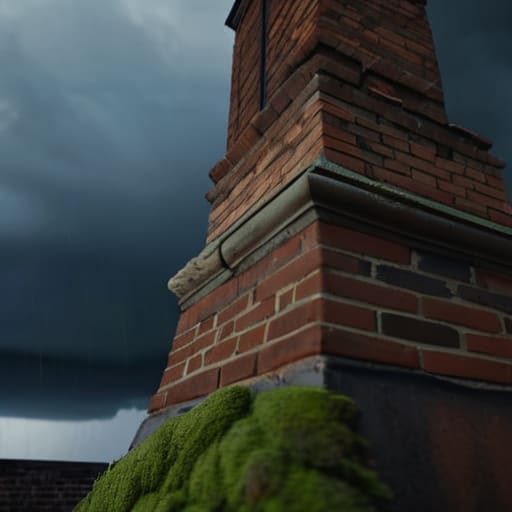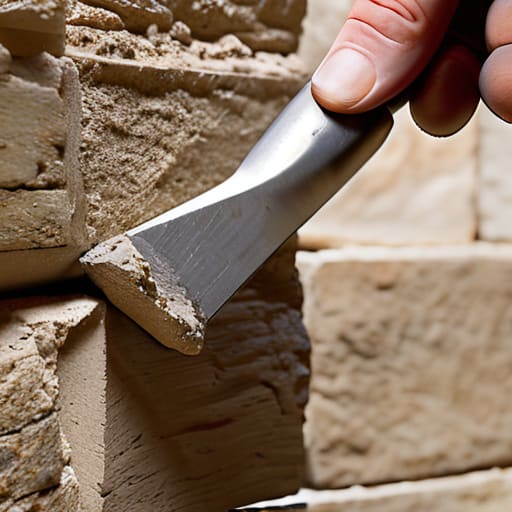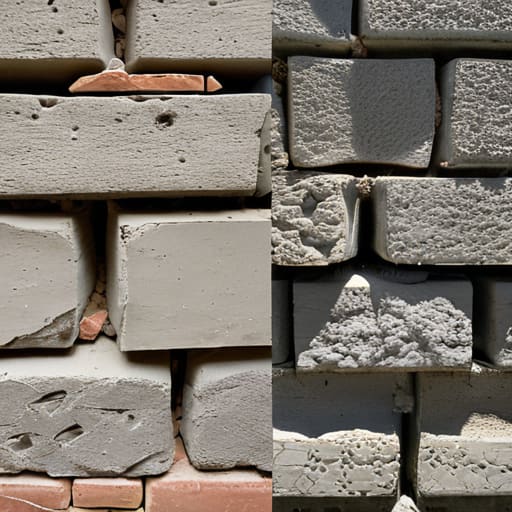
I spent thirty years watching lads try to “fix” old stone walls by slapping a heavy cement render over them, thinking they were making the structure stronger. All they were doing was suffocating it. I remember a job back in the late nineties where a homeowner called me, frantic because his beautiful flint wall was literally spalling itself to pieces after a single winter. He’d used a standard Portland mix, thinking more strength was always better. That’s the fundamental misunderstanding when people ask how lime mortar differs from cement; they think it’s just about the hardness of the bond, but they’re missing the entire point of how a building actually breathes.
I’m not here to give you a chemistry lecture or a textbook definition you can find on a manufacturer’s website. I’m going to tell you why choosing the wrong binder is a recipe for structural failure once the seasons start turning. I’ll explain the real-world difference between a rigid, brittle seal and a flexible, breathable joint, and more importantly, I’ll tell you when using cement is a shortcut that will cost you a fortune in repairs down the line.
Table of Contents
Cement: The Modern Standard
Cement is a hydraulic binding agent that, when mixed with water and aggregate, undergoes a chemical reaction to turn into a rock-hard mass. Its main selling point is its sheer, unyielding strength and the speed at which it sets, making it the backbone of modern construction. When you’re looking at how lime mortar differs from cement, you have to recognize that cement is designed to be a permanent, rigid skeleton for a structure.
I’ve seen plenty of lads try to use cement for everything because it’s fast and it’s easy to get a hard finish. But that strength is a double-edged sword; if you use it on an old building that’s meant to move, you aren’t building a wall, you’re building a ticking time bomb. Cement doesn’t budge, so when the ground shifts or the temperature drops, it won’t give an inch—it’ll just force the bricks themselves to snap to accommodate the stress.
Lime Mortar: The Traditional Breathable Binder
Lime mortar is a mixture of lime and sand that hardens through a process called carbonation, absorbing carbon dioxide from the air over time. Its primary advantage is its breathability and its ability to remain slightly flexible, allowing moisture to escape through the joints rather than being trapped inside the masonry. Understanding how lime mortar differs from cement starts with realizing that lime works with the building rather than trying to overpower it.
In my forty years, I’ve seen more damage caused by “strong” mortar than by weak ground. If you’re working on anything built before the mid-20th century, using a rigid binder is a rookie mistake that’ll cost a fortune in repairs. Lime acts like a sacrificial layer; it takes the brunt of the weather and the movement, letting the moisture weep out of the joints so your bricks stay dry and intact.
Comparison of Lime Mortar vs. Cement Mortar
| Feature | Lime Mortar | Cement Mortar |
|---|---|---|
| Primary Characteristic | Flexible and breathable | Rigid and impermeable |
| Setting Mechanism | Carbonation (absorbs CO2) | Chemical hydration |
| Breathability | High (allows moisture evaporation) | Low (traps moisture) |
| Strength | Low to moderate | High |
| Best For | Historic/heritage masonry | Modern structural construction |
| Durability | High in shifting/old structures | High in stable/new structures |
| Workability | High (creamy and easy to spread) | Moderate (faster drying/stiff) |
Moisture Management in Old Walls the Breathability Factor
If you’ve ever walked up to an old stone wall and seen the face of the masonry crumbling away like a biscuit, you aren’t looking at bad stone—you’re looking at a moisture trap. In the debate between lime and cement, moisture management isn’t just a technical detail; it is the entire game. If the water can’t get out, it’ll find the next weakest point to escape through, and usually, that’s the expensive stone you spent all week laying.
When you use cement, you’re essentially creating a waterproof seal. It’s hard, it’s rigid, and it doesn’t move. The problem is that moisture gets trapped behind that cement skin, and when the temperature drops, that water freezes and blows the face off your masonry. It’s a slow-motion disaster. Lime, on the other hand, is “breathable.” It acts like a wick, drawing moisture out of the wall and letting it evaporate through the joints where it belongs.
For any building that wasn’t built in the last twenty years, there is no contest. If you want to preserve the structure rather than choke it to death, lime mortar is the only way to go.
Structural Flexibility in Historic Buildings vs Rigid Cement
If you think a wall is a static object that just sits there, you’ve already lost the battle. Buildings move—they settle, they expand in the heat, and they shift with the seasons. In the debate over how lime mortar differs from cement, the real issue isn’t just what’s holding the bricks together; it’s whether that bond is going to snap or stretch when the ground decides to move an inch.
Cement is a hard, unforgiving beast. It sets up like a solid block of granite, and once it’s in those joints, it isn’t going anywhere. That sounds good on paper, but in an old building, that rigidity is a death sentence. When the structure inevitably shifts, the cement won’t budge, so it forces the bricks themselves to take the stress. That’s how you end up with blown faces and jagged cracks through the masonry.
Lime, on the other hand, is much more forgiving. It has a bit of “give” to it, allowing the wall to micro-adjust without shattering the bond. It acts more like a buffer than a clamp.
For historic structures, there is no contest: Lime mortar wins every single time.
Don't Let the Wrong Binder Break Your Build
At the end of the day, choosing between lime and cement isn’t about which one is “better” in a vacuum; it’s about knowing what you’re working with. If you’re slapping hard, grey cement into the joints of a nineteenth-century brick wall, you aren’t strengthening it—you’re essentially strangling it. You’ll trap the moisture, the bricks will soak it up, and when the frost hits, that wall is going to heave and crack because it has nowhere to breathe. Cement has its place on a modern slab or a new foundation where you need raw, unyielding strength, but if you try to force that same rigidity onto old, soft masonry, you’re just inviting a disaster that’ll cost ten times more to fix later.
I’ve spent forty-three years watching men try to take shortcuts with the wrong materials, thinking they could save a few quid or an hour of labor. They always end up calling me back when the cracks start appearing. My advice is simple: respect the physics of the structure you’re standing on. Whether you’re pouring a new footing or repointing a heritage gable, do it right the first time by matching the binder to the build. A job done with the correct understanding of how materials move and breathe isn’t just a job that looks good on day one—it’s a job that actually stays standing long after we’re both gone.
Frequently Asked Questions
If I've already used cement on an old stone wall, can I just patch the cracks with lime, or am I asking for trouble?
You’re asking for trouble, plain and simple. If you’ve got a hard cement patch sitting in a soft stone wall, that cement is now the strongest part of the structure. When the building moves or the moisture tries to escape, it won’t go through the cement; it’ll go through the stones or the old mortar around it. Patching with lime won’t fix that tension. You’ll just be watching those new lime patches pop right out.
Is lime mortar actually harder to work with when the weather turns, or is it just a case of people being too impatient to let it set right?
It’s a bit of both, but mostly it’s the impatience. Lime isn’t like cement; you can’t just slap it in and expect it to be rock-hard by tea time. When the weather turns cold or damp, that setting process slows down, and if you don’t respect that, you’re asking for trouble. People try to rush it, treat it like a modern mix, and then wonder why the joints are washing out. It’s not harder; it’s just slower.
How do I know if my specific mix is too weak for the bricks I'm using, or if I'm just making the same mistake as the bloke who poured it before me?
Look, you don’t guess with your hands; you look at the brick. If you’re working with soft, old reds or anything reclaimed, and you’re slapping a hard, grey cement mix in there, you’re basically putting a vice grip on a sponge. The brick will crumble before the mortar does. If the mortar is harder than the brick, you’ve failed. If the brick is turning to dust around the joints, your mix is too strong.