I remember standing on a site in late November, watching a young site manager stare at a tablet, convinced his digital Gantt chart meant he could pour a slab on Tuesday. The sky was the colour of a bruised plum, and the ground was turning into a sponge, but he kept insisting the schedule was king. That’s the biggest lie in this trade: thinking you can outsmart the elements with a spreadsheet. Everyone talks about the logistics of a build, but they never want to admit how much how weather affects groundwork programming is actually out of their hands. You can have the best crew and the finest mix in the world, but if you haven’t factored in the unpredictable reality of a soaking wet sub-base or a sudden frost, you aren’t programming a project—you’re just scheduling a disaster.
I’m not here to give you some textbook lecture on meteorological patterns or fancy project management software. I’m going to tell you what forty-three years of getting soaked and shivering has taught me about planning for the inevitable. We’re going to talk about the real indicators you need to watch, the signs that tell you to cancel the truck before the money is wasted, and how to build a schedule that doesn’t crumble the moment the first raindrop hits the dirt.
Table of Contents
Soil Moisture Levels and Construction Scheduling the Hidden Saboteur

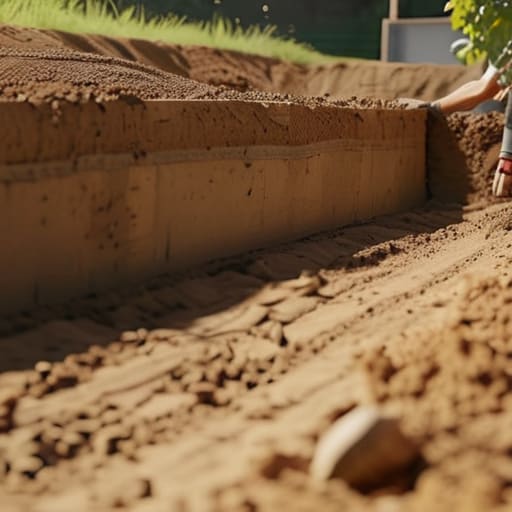
You can look at the forecast all you want, but the sky doesn’t tell you what’s happening six inches under your boots. I’ve seen lads check the weather app, see nothing but sun, and call the ready-mix truck—only to find out the ground is a sponge. If you aren’t testing your soil moisture levels and construction scheduling, you’re just gambling. When the sub-grade is saturated, it doesn’t matter how much hardcore you throw down; that ground is going to move, and when it moves, your slab follows it straight into the ditch.
I’ve spent too many mornings staring at a site that looked dry on top but was a complete quagmire underneath. That’s where the real groundwork project delay mitigation happens—not by rushing the pour, but by knowing when to wait for the ground to breathe. If you try to compact mud, you aren’t building a foundation; you’re just trapping water in a way that’ll cause a failure six months down the line. You have to respect the moisture, or it’ll respect you by cracking every single joint you lay.
Managing Groundwork During Wet Seasons Without Losing Your Margin
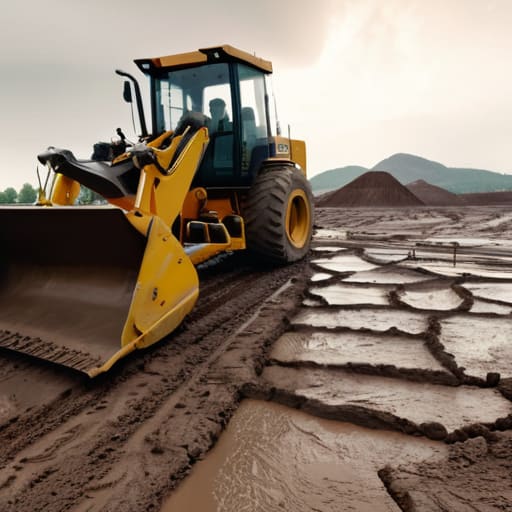
Now, if you’re staring down a wet season, you have two choices: you can keep chasing a schedule that’s already dead, or you can start managing groundwork during wet seasons with a bit of actual foresight. I’ve seen too many lads try to push through a deluge, thinking they can just compact a bit of mud once the sun comes out. You can’t. If the ground is saturated, you aren’t compacting; you’re just churning up a slurry that’ll never meet spec. You’ll end up with a sub-base that settles like a sponge, and no amount of expensive concrete is going to fix that once it’s set.
The secret to not bleeding money is site preparation weather contingency planning. You don’t just plan for the sunny days; you plan for the days you’ll be stuck in the site office. This means having your drainage sorted and your sub-grade protected before the clouds roll in. If you aren’t building in a buffer for the inevitable downtime, you aren’t running a business—you’re just gambling with your margin.
Five Hard Truths for When the Forecast Starts Messing with Your Margin
- Stop planning for the ‘sunny window’ and start planning for the recovery. If you schedule a pour for Tuesday because the app says sun, but you haven’t factored in the two days of muck you’ll need to clear if a shower hits on Monday, you’re already losing money. Build a buffer into your programme that accounts for the cleanup, not just the concrete.
- Watch the dew point, not just the rain. I’ve seen lads get caught out by a beautiful, dry morning that turns into a disaster because the humidity was so high the surface wouldn’t set right, or so low the moisture evaporated before the mix could even settle. If the air is fighting your curing process, your schedule is a fantasy.
- The sub-base is your only real insurance policy. If you’re staring at a forecast of heavy rain, don’t just hope the ground holds; ensure your compaction and your layers are dead-on before that sky turns grey. A well-prepared, well-compacted sub-base can handle a bit of dampness; a sloppy one will turn into a soup that’ll delay your entire site for a week.
- Learn to read the sky better than your site foreman reads his phone. Apps are fine for amateurs, but they don’t tell you how the wind is going to suck the moisture out of a fresh slab or how a sudden temperature drop is going to kill your set. If the weather looks dodgy, you don’t call the plant to confirm the delivery—you call them to cancel it.
- Don’t let the ‘get it done’ mentality lead to adding water on site. When the heat is on and the mix looks a bit stiff, the temptation to splash some water in to make it easier to spread is massive. That’s how you end up with a cracked, weak slab that’ll be back on your doorstep in six months. If the weather makes the mix unworkable, you change the mix or you change the day—you don’t compromise the strength.
The Final Word on the Forecast
At the end of the day, you can have the best mix design in the world and the fastest crew on the site, but if you haven’t accounted for the moisture in the sub-base or the humidity in the air, you’re just throwing money into a trench. We’ve talked about why you can’t ignore the soil saturation and why trying to push through a wet season without a buffer is a fool’s errand. You have to respect the sequence: get the ground right, get the weather right, and only then do you worry about the truck. If you try to skip the preparation or ignore the warning signs in the sky, you aren’t “saving time”—you are simply scheduling a failure that you’ll be paying to fix six months from now.
I’ve seen enough cracked slabs and subsided paths to know that the most successful lads aren’t the ones who pour the most concrete, but the ones who have the sense to wait for the right moment. Groundwork isn’t a race against the clock; it’s a negotiation with the earth beneath your boots. Don’t let a project manager’s spreadsheet bully you into a pour that the ground isn’t ready to take. Build your schedule around the reality of the elements, not the fantasy of a perfect sunny day, and you’ll find that the quality of your finish speaks much louder than any deadline ever could.
Frequently Asked Questions
If the ground is already saturated from a week of rain, is there any point in even calling the plant to schedule a delivery, or am I just throwing money down a hole?
If the ground’s been soaking for a week, you’re not just throwing money down a hole—you’re throwing it into a swamp. If you pour on saturated sub-grade, that concrete is going to move, crack, or sink before the month is out. Don’t call the plant. Dig it out, get some hardcore in, and compact it until it actually behaves. If the sub-base isn’t right, the best mix in the world won’t save you.
How do I know when the sub-base has actually dried out enough to support the weight of a concrete truck without I'm risking a washout or a sinkhole?
Stop looking at the surface; that’s where the lies live. If you see any standing water or even a bit of “slop” in the fines, you aren’t ready. Take a heavy shovel and dig a small pilot hole. If the sub-base feels spongy or leaves a muddy mess on your boot, that truck is going to sink. You want a firm, consistent compaction that doesn’t give way when you put your weight on it. If it’s soft, wait.
When the forecast is looking dodgy, at what point do I pull the plug on the pour to avoid the temptation of adding water on-site just to keep the lads moving?
Look, if you’re standing there eyeing the bucket to thin out a stiff mix because the heat is making the lads struggle, you’ve already lost. Pull the plug when the forecast shows a heavy downpour within two hours of finishing, or if the temperature is climbing so fast the surface will bake before it sets. If you’re even thinking about adding water to “save the pour,” stop. Cancel the truck. It’s cheaper to pay a cancellation fee than to rip out a cracked slab next month.