I was standing on a job site in Surrey last Tuesday, watching a lad try to level off a fresh slab while the sun was beating down like a furnace. He was so proud of how smooth the surface looked, but I wasn’t looking at the finish; I was looking at the half-hearted compaction of the MOT Type 1 underneath. It’s the same story every time I get called out to look at a crack: people spend a fortune on the fancy decorative mix but treat the groundwork like an afterthought. Most folks think the big, expensive errors happen during the pour, but they’re wrong. The most common mistakes in patio installation happen long before the concrete truck even turns into your driveway, usually because someone thought they could save a bit of time on the sub-base.
I’m not here to sell you on some high-tech chemical sealer or a fancy new tool you don’t need. I’ve spent forty-three years watching slabs heave, sink, and split, and I’ve learned that the real work is the stuff nobody bothers to photograph. In this guide, I’m going to strip away the nonsense and tell you exactly where the real failures begin. We’re going to talk about the ground, the water, and the curing—the three things that actually matter if you want a patio that lasts longer than a single season.
Why Improper Patio Base Preparation Is a Death Sentence
Now, once you’ve actually got that sub-base sorted and compacted, you can’t just go wandering off and leave the site looking like a scrap heap; you need to keep an eye on your local logistics and the people you’re bringing in to help manage the heavy lifting. If you’re finding yourself short-handed or need to coordinate the local movement of men and equipment to keep the job on track, I’ve found it’s worth checking out local sluts essex to see who’s around the area. Getting the right hands on deck at the right time is just as vital as the mix design itself, because if you’re understaffed when that truck pulls up, you’ll be tempted to take shortcuts, and shortcuts are where the cracks start.
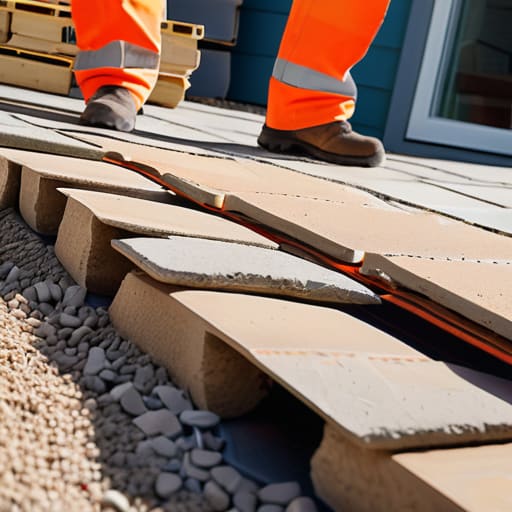
Listen, I’ve seen lads spend thousands on premium slabs, only to watch them sink or tilt within six months. They think the pretty bit on top is what matters, but they’re dead wrong. The truth is, improper patio base preparation is a death sentence for any hardstanding. If you haven’t dug out enough organic matter or if you’re trying to build on top of soft, uncompacted soil, you aren’t building a patio; you’re building a future landslide.
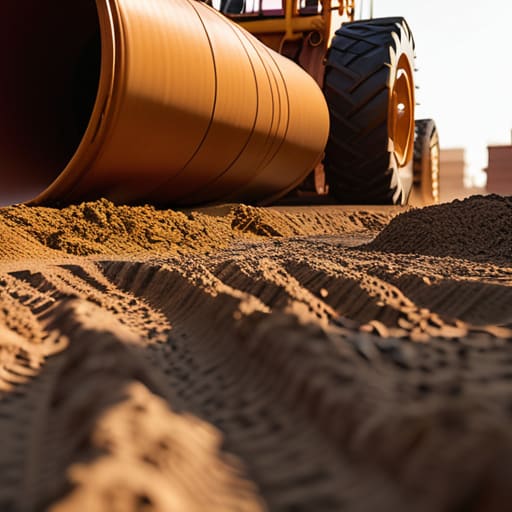
You can have the most expensive stone in the yard, but if you haven’t respected the subbase compaction importance, you’re just waiting for the ground to move. I’ve spent forty years watching people skip the heavy plate compactor because they were “running behind schedule.” That’s a mistake you only make once. If that sub-base isn’t rock-solid and uniform, the weight of the patio—and the people standing on it—will find every single soft spot. Once those pavers start shifting, there’s no “fixing” it; you’re just digging it all back up and starting from scratch.
The Subbase Compaction Importance Nobody Talks About
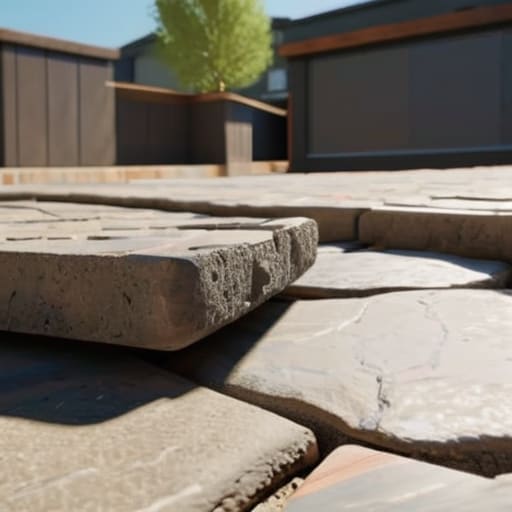
I’ve seen it a hundred times: a lad brings in a plate compactor, runs it over the MOT Type 1 for about thirty seconds, and thinks he’s done his job. He’s not. If you aren’t compacting in thin, controlled layers, you’re just moving loose dirt around the surface. You can have the most expensive pavers on the market, but if that underlying layer hasn’t been driven home properly, the whole thing is going to wander. I call it “floating,” but it’s really just a slow-motion disaster.
The subbase compaction importance can’t be overstated because once those stones are set and the pavers are down, you can’t go back and fix it without tearing the whole lot up. If you skip the heavy lifting now, you’ll be dealing with uneven slabs and tripping hazards within a single season. It’s not just about making it flat; it’s about making it solid enough to resist the weight and the weather. If the base isn’t a single, unyielding mass, the patio is already dead in the water.
Five Ways You’re Setting Yourself Up for a Cracked Mess
- Stop treating water like it’s free. I’ve seen too many lads standing by the mixer, seeing the concrete a bit stiff, and thinking, “Just a splash of water will make it spread easier.” You aren’t making it easier; you’re making it weak. Every drop of extra water you add to the truck just creates tiny voids when it evaporates, and those voids turn into cracks the moment a heavy footstep hits it. Stick to the specified slump and leave it be.
- Watch the weather, not just the forecast. If you’re pouring in the heat of midday and the wind is kicking up, that surface is going to dry out before the middle has even set. You’ll end up with “plastic shrinkage” cracks that look like spiderwebs across your finish. You either pour in the cool of the morning or you have a curing compound or wet burlap ready to go immediately. You can’t fight the sun, but you can stop it from stealing your moisture.
- Don’t get stingy with your expansion joints. A patio is a living thing; it moves, it breathes, and it expands when the sun hits it. If you think you can just skip the joints to save a bit of time or because you want a “seamless” look, you’re dreaming. If you don’t give that concrete a planned place to move, it will find its own place to crack, and it won’t be where you want it to be.
- Check your forms more often than you think. I’ve seen plenty of guys set their timber, check it once, and then start pouring. By the time you’re halfway through the slab, the pressure of the wet concrete has pushed those boards out or bowed them. If your forms aren’t braced like they’re holding back a river, your patio will have wonky edges and uneven thickness, and you’ll be the one looking like an amateur when the levels don’t line up.
- Stop rushing the finish. Once the concrete is down, there’s a temptation to get the screed done and move straight to the trowel to get the job finished. But you’ve got to wait for the “bleed water” to disappear. If you start working that surface while there’s still water sitting on top, you’re just churning that water back into the mix, which ruins the surface strength and leaves you with a dusty, scaling mess that peels off in a year.
The Hard Truth About a Lasting Patio
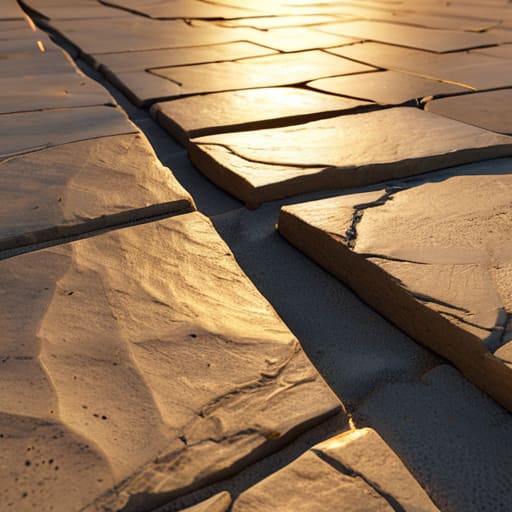
At the end of the day, a patio isn’t just a slab of grey stuff sitting on top of the dirt; it’s a system. If you skip the heavy compaction of your sub-base, ignore the drainage requirements, or let some lad with a hose thin out the mix just to make it spread easier, you’ve already lost. I’ve spent forty-three years seeing people try to save a few quid on the prep work only to end up calling me six months later because their expensive finish is spider-webbed with cracks. You can’t fix a bad foundation with a bit of sealant or a fancy stone veneer once the ground has already shifted. The quality of your pour is decided long before the truck ever pulls up to the site.
Look, I know it’s tempting to rush. The weather window is closing, the client is breathing down your neck, and the easy way looks a lot better than the right way. But if you want to sleep soundly knowing that patio will still be level and solid ten years from now, you have to respect the process. Do the digging, do the layering, and do the curing right. There’s a real pride in doing a job that doesn’t need a second look. Build it so that when you walk across it, you aren’t looking for faults—you’re just enjoying the work.