I’ve lost count of how many times I’ve stood on a site, watching a lad roll out a sheet of steel like he’s just solved the world’s problems, only to see that same slab split right down the middle six months later. People think they can just throw some steel in a mix and call it a day, but that’s a load of rubbish. They treat it like a magic wand, but if you don’t understand how mesh reinforcement is used in relation to the actual load and the ground beneath it, you’re just wasting money on scrap metal. You can buy the most expensive mesh on the market, but if it’s sitting on the dirt instead of being held in the middle of the pour, it’s absolutely useless.
I’m not here to give you a lecture from a textbook or sell you on some fancy new product. I’m going to tell you how it actually works when the rain is coming down and the truck is idling. I’ll show you the difference between doing it right and just doing it fast, focusing on the placement and the prep that actually matters. If you want the truth about why your slabs are cracking, listen up.
Table of Contents
The Myth of Tensile Strength of Reinforcement Mesh Alone
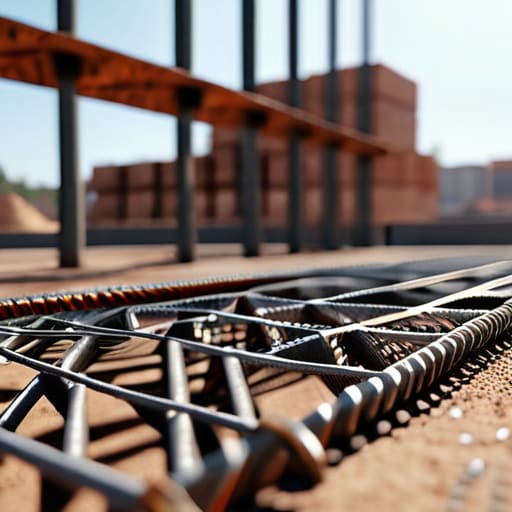
I see it every single week: a young lad or a site manager looking at a roll of mesh like it’s some kind of magic wand. They think that just because they’ve got steel in the mix, they’ve bought themselves insurance against a bad job. That’s a lie. People talk about the tensile strength of reinforcement mesh as if it’s a shield that protects the whole slab, but mesh doesn’t work in a vacuum. It’s there to handle the shrinkage and the minor stresses, not to carry the weight of a poorly compacted sub-base.
If your ground is soft or uneven, you can have the thickest welded wire mesh placement in the world, and it still won’t stop that slab from snapping. The steel isn’t there to make the concrete “stronger” in the way people think; it’s there to hold the pieces together when the concrete inevitably wants to pull apart. You can’t rely on preventing concrete cracking with mesh if you’ve ignored the foundation. If the ground moves, the mesh follows, and you’ll end up with a cracked slab regardless of how much steel you threw at it.
Welded Wire Mesh Placement the Error Nobody Photographs
Everyone loves to take a photo of a fresh, smooth finish, but nobody ever snaps a picture of the mesh sitting at the very bottom of the pour. I’ve seen it a thousand times: a lad rolls out the rolls, lays them straight on the damp sub-base, and calls it a day. That’s not reinforcement; that’s just expensive decoration. If that steel isn’t sitting in the middle or upper third of the slab, it isn’t doing a bloody thing for the structural integrity of mesh or the concrete itself.
The real secret to proper welded wire mesh placement is using chairs—proper, heavy-duty spacers. You need that steel suspended so it actually sits where the tension is going to be. If you’re just dragging it up with a shovel while the concrete is wet, you’re playing a guessing game, and you’ll lose. You can have the best mix design in the world, but if your mesh is buried under four inches of aggregate at the bottom of a six-inch slab, you might as well have thrown your money straight into the skip.
Five Ways You’re Probably Wasting Your Mesh
- Stop letting the lads leave the mesh sitting on the ground. If that steel is resting on the hardcore instead of being suspended in the middle of the slab, it’s not reinforcement—it’s just a piece of scrap metal waiting to rust. You need spacers, and you need them before the first shovel of concrete hits the ground.
- Don’t go thinking you can just butt the sheets up tight against each other and call it a day. You need a proper overlap—usually a mesh gauge or two—so the strength actually carries across the whole pour. If you leave gaps, you’re just creating a roadmap for cracks to follow.
- Watch the water levels like a hawk. I’ve seen too many lads add a hoseful of water to the mix because it’s “too stiff” to work around the mesh. All that does is wash the cement away from the steel, leaving your reinforcement sitting in a pocket of weak, watery slurry.
- Check your cover. If you’ve got a thin slab and you’re using heavy-duty mesh, you better make sure there’s enough concrete sitting above that steel to protect it. If the mesh is too close to the surface, it’ll show through or, worse, it’ll start corroding and blowing the face off your slab in two years’ time.
- Timing is everything with the placement. Don’t wait until the truck is idling and the lads are sweating to start wrestling with the mesh. If you haven’t got your sheets laid, overlapped, and propped up on spacers before the concrete arrives, you’re going to end up with a rushed, messy job that’ll fail before the week is out.
Stop Treating Mesh Like a Magic Wand
At the end of the day, if you think dropping a sheet of mesh into a pile of wet concrete is going to fix a botched job, you’re dead wrong. We’ve talked about why the tensile strength of that steel is useless if it’s sitting on the mud at the bottom of the pour, and why no amount of reinforcement can compensate for a sub-base that hasn’t been compacted properly. Mesh isn’t a safety net for lazy groundwork; it is a specific tool meant to work in tandem with a solid foundation and a controlled cure. If you skip the prep, or if you let a driver add too much water to the mix just to make it spread easier, you aren’t building something that lasts—you’re just setting a timer on a failure.
My advice? Stop looking for the easy way out and start respecting the sequence. The mesh is only as good as the ground it sits on and the way you manage the pour around it. If you get the sub-base right, get your spacers in place so that steel is actually in the middle of the slab, and watch your curing like a hawk, you’ll sleep better at night. Do the job right the first time, even when nobody is watching the sub-base, because the concrete doesn’t lie, and neither will the cracks five years down the line. Build it to last, not just to get the inspector off your back.
Frequently Asked Questions
If the mesh is sitting on the bottom of the slab instead of the middle, is the whole pour a write-off?
Is it a write-off? Not necessarily, but it’s a massive mistake that’ll cost you in the long run. If that mesh is sitting on the dirt, it’s doing nothing but rusting in the mud. It’s not reinforcing the slab; it’s just expensive scrap metal buried in your pour. You’ll see cracks exactly where you didn’t expect them. If you catch it before the truck arrives, get some spacers in. If it’s already buried? Pray.
How much does the spacing of the mesh actually matter if I’m just pouring a standard domestic driveway?
Look, if you’re pouring a domestic driveway, you aren’t building a motorway, but don’t go thinking the mesh is just there for decoration. If your spacing is too wide, you’re basically just leaving big, unsupported islands of concrete that’ll crack the moment the ground settles. You want that mesh distributed so it actually works with the slab. If it’s all bunched up in one corner or spaced like a spiderweb, you’ve wasted your money.
Is there any point in using heavy-duty mesh if I haven't spent enough time compacting the sub-base first?
Is there a point? Not a damn one. You can buy the thickest, heaviest-gauge mesh on the market, but it’s just expensive decoration if your sub-base is soft. If that ground shifts or settles because you were too lazy to compact it properly, that mesh is just going to ride along with the movement. It won’t hold the slab up; it’ll just crack right along with it. Fix the ground first, or don’t bother with the steel.