I remember standing on a site in the pouring rain back in ’94, watching a lad try to fix a stiff mix by hosing it down with a garden hose because he thought he could “cheat” the consistency. He didn’t understand that you don’t just add water to make life easier; you use chemistry to do the heavy lifting. Nowadays, I see people throwing expensive chemicals into the drum like they’re seasoning a stew, without having the slightest clue how admixtures are used to actually control the set or the flow. They treat it like magic dust, but if you don’t respect the science behind the liquid, you’re just pouring money down the drain along with that wasted cement.
I’m not here to give you a chemistry lecture or sell you on some fancy, overpriced brand name. I’m going to tell you how these things actually behave when the temperature drops or the sun is beating down on a fresh slab. I’ll show you the difference between a mix that works with you and one that’s destined to crack before it’s even cured. This is about practical application, not textbook theory—the kind of knowledge you only get after forty-three years of seeing what happens when things go wrong.
Table of Contents
Chemical Admixtures in Construction Fighting the Site Variables
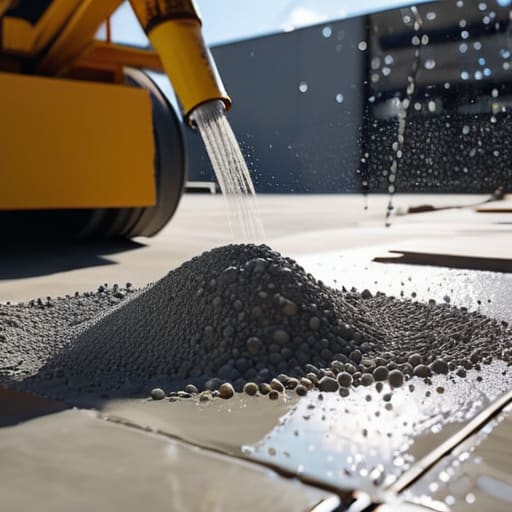
Look, you can have the best aggregate and the cleanest sand in the county, but the second that truck pulls up, you’re at the mercy of the environment. If it’s a scorcher and the mix is going to flash-set before you’ve even got your screed rails down, or if it’s a damp Tuesday and the mix feels like porridge, that’s where you call in the chemistry. I’ve seen too many lads try to fix a stiff mix by hosing it down with water, and they might as well just be pouring liquid sand for all the strength they’re keeping. That’s why water reduction in cement mixtures is the real game-changer; you get the flow you need without sacrificing the structural integrity of the slab.
When we talk about chemical admixtures in construction, we aren’t just talking about fancy additives for the sake of it. We’re talking about survival tools. Whether you’re using plasticisers for better concrete workability enhancement or accelerators when the frost is biting at your heels, these chemicals are there to fight the variables you can’t control. You use them to manage the clock, not to hide a bad sub-base.
Water Reduction in Cement Mixtures Avoiding the Easy Way Out
Now, listen to me: the most dangerous thing on a job site is a tired laborer with a hosepipe and a “can-do” attitude. I’ve lost count of how many times I’ve walked onto a site to see someone adding a bucket of water to the drum because the mix looks a bit stiff and they want it to flow easier. They think they’re helping, but all they’re doing is ruining the ratio. That extra water creates tiny voids as it evaporates, leaving you with a slab that looks fine today but will be crumbling like a biscuit in five years.
This is where proper water reduction in cement mixtures becomes your best friend. Instead of cheating with a hose, you use high-range water reducers—superplasticizers—to get that flow you need without compromising the strength. It gives you the concrete workability enhancement required to get a smooth finish in the corners, but keeps the water-to-cement ratio tight. If you want a slab that actually lasts, you use the chemistry to get the movement, not the tap.
Five Rules for Using Admixtures Without Ruining Your Slab
- Stop treating the admixture like a magic wand; if you’ve botched the sub-base or the weather is turning, a plasticiser isn’t going to save a bad pour.
- Never, and I mean never, let the lads add extra water to the drum just because the mix looks a bit stiff; if you need it wetter, call the plant and tell them to adjust the admixture dosage instead.
- Test your batch in a bucket before you start spreading it across the site, because every delivery is different and what worked on Tuesday might be too runny on Friday.
- Watch the clock like a hawk when you’re using accelerators; they’ll give you the working time you need, but if you’re too slow with the screed, you’ll be fighting a losing battle against a setting mix.
- Keep the admixture bottles away from the direct sun and the muck; if the chemicals get contaminated or the temperature swings too wildly before they hit the drum, you’re just pouring expensive gravel.
The Bottom Line on the Mix
At the end of the day, admixtures aren’t some magic trick to fix a botched job; they are tools to help you manage the variables you can’t control. Whether you’re using superplasticisers to get a flow without adding a drop of extra water, or accelerators to beat a sudden frost, you have to remember that chemistry is no substitute for competence. You can spec the most expensive retarder in the catalog, but if your sub-base is soft or your guys are rushing the finish, you’re just spending more money to watch a guaranteed failure set in. Use the additives to fight the weather and the site conditions, not to mask poor planning or a lazy mix design.
I’ve seen enough cracked slabs and blown-out foundations to know that the best concrete in the world won’t save a man who doesn’t respect the process. If you take the time to understand how these chemicals actually interact with your cement, you’ll stop fighting the pour and start controlling the outcome. Don’t just throw things into the drum because the supplier told you to; understand the “why” behind every liter. Do the job right, respect the science, and prepare for the pour before the first truck even turns onto the site. That’s how you leave a legacy that doesn’t crack ten years down the line.
Frequently Asked Questions
If I'm adding a plasticiser to get a better flow, how do I know I'm not accidentally messing with the final strength of the slab?
Listen, you don’t “accidentally” mess with the strength; you mess with it the second you start thinking a plasticiser is a substitute for a proper mix design. A plasticiser is there to improve workability without you dumping extra water in like a cowboy. If you use it right, the strength stays where the spec says it should be. But if you’re using it to mask a mix that’s already too wet or poorly proportioned, you’re asking for trouble.
Can you actually overdo it with these chemicals, or is there such a thing as too much admixture in one mix?
Too much? You’re damn right you can. I’ve seen lads try to “fix” a stiff mix by dumping in extra plasticiser like they’re watering down tea. You go overboard and you’ve got a soup that won’t set right, or worse, you end up with segregation where the aggregate just sinks to the bottom. You’re not making it better; you’re just making it unstable. Follow the dosage on the bag, or don’t bother pouring at all.
How do I know if the batch coming off the truck has actually had the right admixtures added, or if the driver's just trying to make it easier to pour by adding water?
Look, you can’t just take the driver’s word for it. If it looks like soup and flows like water, he’s cheated you. Watch the slump. If it’s too runny, ask to see the delivery ticket immediately—check if the admixture is actually listed. If it isn’t, he’s just adding tap water to make his life easier, and he’s killing your strength. If it’s thick but still moves well, that’s the chemistry working. Trust your eyes, not his smile.