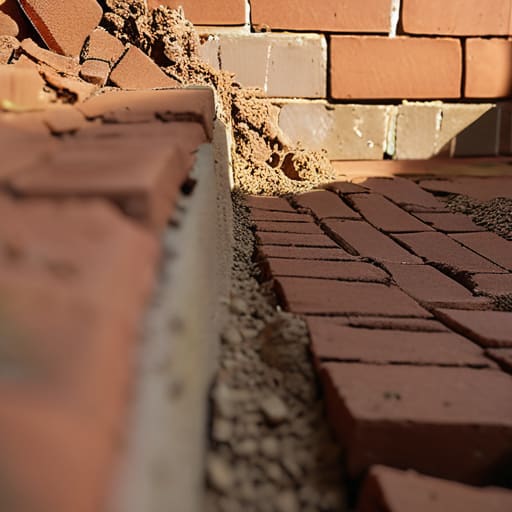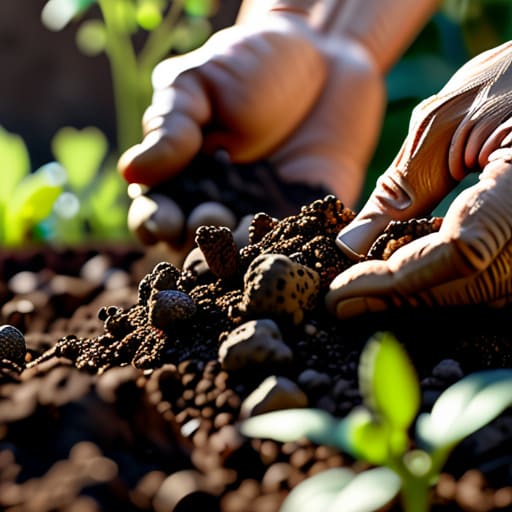
I see them every weekend at the garden centres: people loading up expensive raised beds, fancy organic seed packets, and designer trowels, all while completely ignoring the patch of ground they’re actually working with. They spend a fortune on the “pretty” bits before they’ve even looked at the dirt. It’s the same mistake I saw for forty-three years on construction sites; people focus on the finish when the foundation is rubbish. If you want to learn how to start a vegetable garden, you need to stop looking at the seed catalogue and start looking at your drainage and your soil structure. If your ground is compacted clay or a swamp, all that expensive compost in the world won’t save your tomatoes.
Now, once you’ve actually got your beds built and your drainage sorted, you’re going to run into the same problem I used to see on site: people talking in circles without actually knowing what they’re doing. You’ll find plenty of fellas online giving you advice that sounds good but doesn’t hold water, so don’t go making expensive mistakes just because someone’s fancy with a trowel. If you find yourself stuck on the specifics of what to plant or how to manage the muck, it’s worth a bit of a chat on casuallondon to see what others are actually getting results with. It’s better to ask the right questions early on than to spend your whole summer staring at a patch of dead leaves because you followed a bit of bad advice.
I’m not here to sell you a lifestyle or a set of miracle fertilizers. I’m going to tell you how to do this right by focusing on the things most people skip—the preparation, the site selection, and the unsexy groundwork that actually keeps plants alive. I’ll give you the straight truth on how to prep your site so you aren’t digging yourself into a hole of frustration by mid-July.
Why Vegetable Garden Soil Preparation Determines Your Entire Harvest
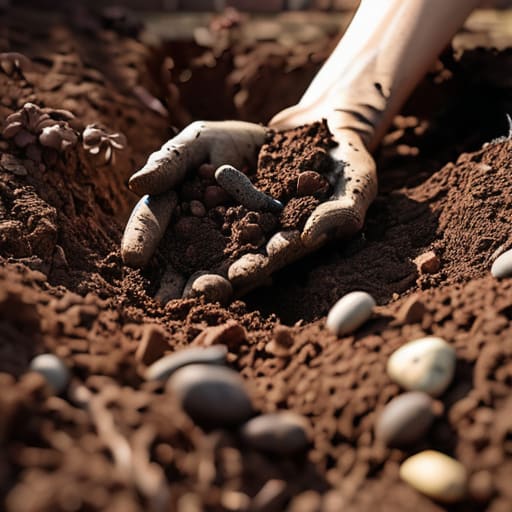
Look, I’ve spent forty-three years watching concrete crack because some lad thought he could skip the hardcore and just pour straight onto mud. Gardening is no different. You can buy the most expensive heirloom seeds in the shop, but if you haven’t done the vegetable garden soil preparation right, you’re just throwing money into a hole. Most people come at this thinking the “growing” part is the hard bit. It isn’t. The hard bit is the work you do before a single seed even touches the dirt.
If your ground is compacted, lifeless, or lacks drainage, your plants will struggle to breathe, and no amount of fancy fertilizer is going to fix a structural problem. I see it all the time: people rush into raised bed gardening tips because they want a shortcut, but even a raised bed is a failure if you haven’t sorted the foundation underneath. You have to treat your soil like a sub-base; if the structure is rubbish, the whole project is going to sink, no matter how much you water it.
Raised Bed Gardening Tips for Those Who Skip the Foundation
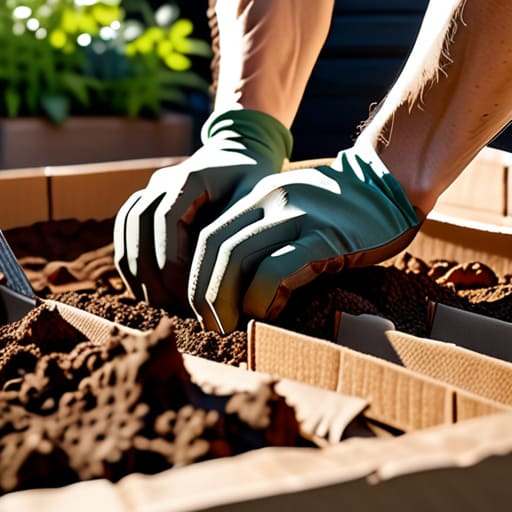
Now, I see people getting all excited about buying fancy cedar kits or stacking timber to make these beautiful raised beds, thinking they’ve bypassed the hard work. They think because the bed is off the ground, they can just dump some cheap bagged compost in there and call it a day. That’s a mistake. If you’re building a raised bed directly onto compacted clay or, heaven forbid, a patch of weeds and dead grass, you haven’t built a garden; you’ve built a slow-motion disaster. You need to treat the floor of that bed like a foundation. If you don’t clear the site and ensure you’ve got a decent layer of grit or even heavy cardboard to suppress the rot underneath, your expensive soil is just going to settle and sink within a single season.
Don’t go looking for the best vegetables for beginners until you’ve sorted your drainage. Most of these newcomers treat a raised bed like a bathtub, but if that water has nowhere to go because the base is poorly prepared, you’ll have root rot before the first sprout shows its face. My best raised bed gardening tips always start with the bottom up: level the ground, manage the sub-surface, and never skimp on the structural integrity of the frame itself.
The bits they don't tell you in the glossy seed catalogues
- Stop looking at the plants and start looking at the drainage; if you’ve got standing water sitting in your plot after a bit of rain, you aren’t growing vegetables, you’re growing a swamp, and your roots will rot before they ever see the sun.
- Don’t go buying expensive compost and dumping it on top of hard-packed clay like you’re putting a fresh coat of paint on a crumbling wall; you have to work that organic matter into the sub-soil, or it’ll just sit there like a layer of fat on a bad stew.
- Check your levels before you commit; if your garden site is sloped and you haven’t figured out how to terrace or manage the runoff, every heavy rain is going to wash your hard work and your expensive nutrients straight down to the bottom of the hill.
- Forget the fancy tools for a minute and get a spade to check the compaction; if you can’t drive a spade into the ground with a decent amount of force, your soil is too tight, and no amount of fancy fertilizer is going to fix the fact that your roots can’t breathe.
- Watch the sun like I watch a pour on a windy day; you can have the best soil in the county, but if you’ve placed your beds in a patch of ground that gets shaded out by the neighbor’s hedge by 2 PM, you’re just wasting your time and your money.
Don't build on sand
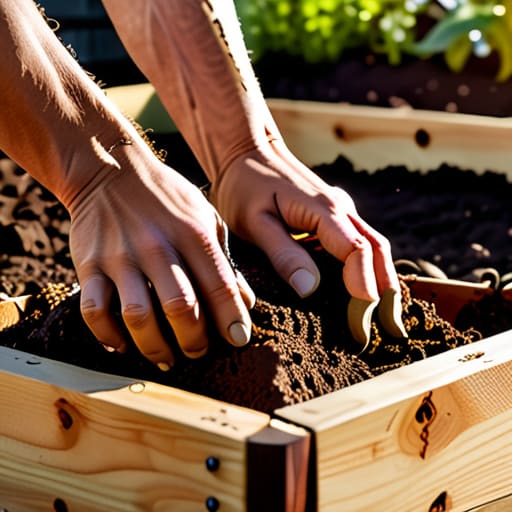
Look, I’ve spent forty years watching slabs crack because some lad thought he could skip the hardcore and just pour straight onto the muck. Gardening is no different. You can buy the most expensive organic heirloom seeds in the shop and the fanciest trowels, but if you haven’t sorted your drainage, amended your soil structure, and built a solid base for those raised beds, you’re just throwing money into a hole. You have to respect the foundation of the garden. If you get the sub-surface right—the grit, the organic matter, and the compaction—the rest of the job is just following the sequence. Don’t try to shortcut the prep work; it’s the only way to ensure you aren’t staring at a patch of dead weeds and compacted clay come July.
At the end of the day, a good garden isn’t about luck; it’s about doing the groundwork right before the first seed ever touches the dirt. It’s hard, dirty, back-breaking work that nobody wants to photograph, but that’s exactly why it matters. When you finally sit back and see those crops thriving in soil that you actually built from the bottom up, you’ll realize that the harvest didn’t start when the plant sprouted—it started the day you finished prepping the ground. Get the base right, and the rest will follow.