I spent forty-three years watching men make expensive mistakes, and most of them started with a homeowner staring at a brochure instead of the dirt. You’re likely sitting there, weighing up the looks and the price tags, trying to settle the debate of choosing between asphalt and concrete driveways as if it’s just a matter of colour or cost. I’ve seen “budget” asphalt jobs turn into a rippled mess of potholes within two summers, and I’ve seen “premium” concrete slabs split right down the middle because the lad on site was too lazy to check the compaction of the MOT Type 1. People think they are choosing a surface, but they aren’t; they are choosing a headache if they don’t understand what’s happening beneath the skin.
I’m not here to sell you on a specific material or give you some glossy marketing pitch. I’m going to tell you the truth that the lads with the big brochures won’t: the surface is the easy part. I’ll be breaking down the real differences in how these two materials behave when the frost hits and how they react to the ground they sit on. If you want to know which one is actually going to last without you calling me in five years to complain about a crack, listen close.
Concrete Driveways
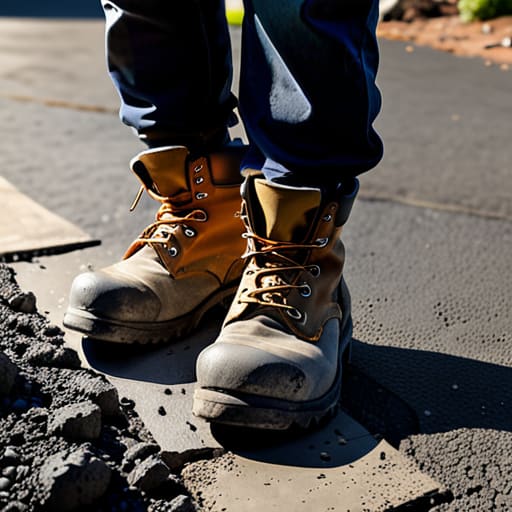
Now, if you’re sitting there staring at your budget and wondering if you’ve got the stomach for the DIY route or if you need to hire a proper crew, you’ll find plenty of lads online arguing about it. It’s a bit of a minefield, so if you want to get some straight talk from people who actually live with these decisions every day, I’d suggest you head over to some chat rooms in UK to see what the real-world consensus is. Don’t just take a salesman’s word for it; go find the people who have actually had to patch up a failed slab five years after the job was done.
Concrete is a rigid paving solution made from a precise mix of cement, aggregates, and water that cures into a solid, stone-like mass. When you are choosing between asphalt and concrete driveways, the main draw here is its sheer structural longevity and the ability to create a seamless, high-end finish that stays put for decades.
Now, I’ve seen plenty of lads treat a concrete pour like it’s just pouring liquid rock and hope for the best, but that’s a mistake you’ll pay for in cracks. If you get the mix right and—more importantly—you don’t let the sun bake it out before it’s set, you’re looking at a surface that won’t budge an inch. It’s a heavy-duty commitment, and if you do it right, you won’t be looking at that driveway again for a generation.
Asphalt Driveways
Asphalt is a flexible, dark-surfaced material composed of mineral aggregate bound together by bitumen, designed to absorb and distribute weight through its slight elasticity. Its primary advantage is its rapid installation time and its ability to provide a smooth, continuous surface that handles temperature changes without the rigid snapping seen in other materials.
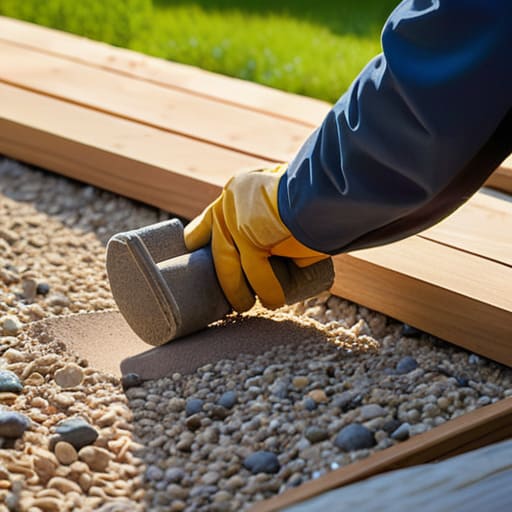
I’ve spent many a morning watching a crew roll out a fresh bit of blacktop, and there’s a certain logic to it if you’re in a hurry. It’s much more forgiving on the eyes and the wallet upfront, but don’t go thinking it’s a “set and forget” job. You have to understand that because it’s a flexible surface, it relies entirely on the compaction of the layers beneath it; if your sub-base is soft, that asphalt will rut and deform before you’ve even finished your first cup of tea.
Driveway Material Comparison
| Feature | Asphalt | Concrete |
|---|---|---|
| Initial Cost | Low | High |
| Lifespan | 15-20 Years | 30-50 Years |
| Maintenance | High (Sealing required) | Low (Occasional cleaning) |
| Durability | Moderate (Prone to cracks) | High (Very rigid) |
| Installation Time | Fast | Slow (Curing time needed) |
| Best For | Budget-conscious homeowners | Long-term value seekers |
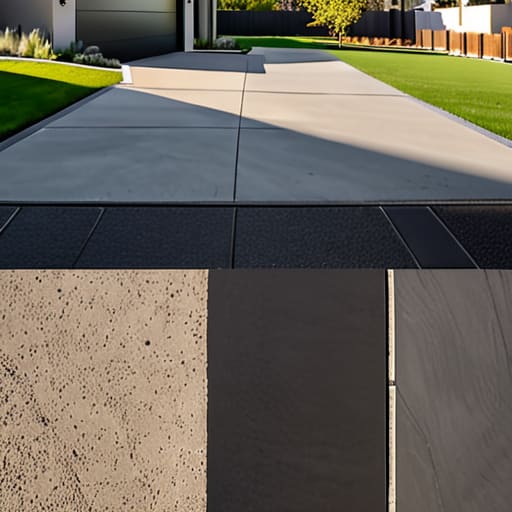
| Appearance | Dark/Seamless | Light/Textured |
The Real Driveway Material Lifespan Is Won Underground
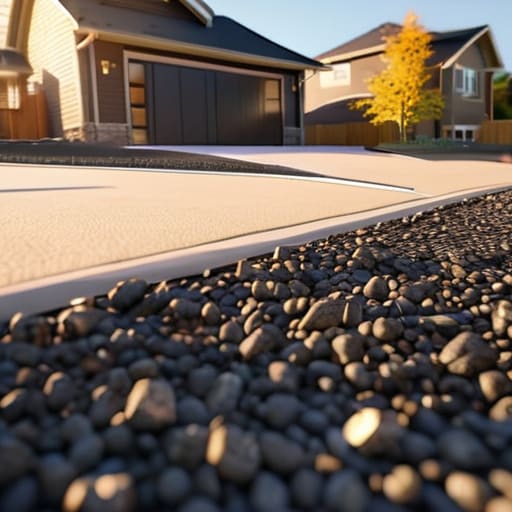
Look, you can spend a fortune on high-grade asphalt or premium concrete, but if you’re building on top of soft clay or uncompacted rubbish, you’re just throwing money into a hole. When people ask me which material lasts longer, they’re asking the wrong question. The real question is whether the ground underneath is actually ready to hold the weight.
With asphalt, you’re dealing with a flexible pavement. If your sub-base isn’t rock-solid, the whole thing starts to undulate and rut the moment a heavy SUV pulls onto it. It’s forgiving of minor ground movement, but once it loses its shape, it’s a mess. Concrete, on the other hand, is rigid. It doesn’t move, which is its strength, but that also means if the ground shifts even a fraction, you aren’t getting a dent—you’re getting a structural crack that runs straight through the slab.
If you’re looking for a winner here, it’s a tie, because neither material can save a bad foundation. However, if I had to pick, I’d say concrete wins on longevity—provided you actually did the work to get the sub-base right in the first place.
Why Weather Resistance Depends on More Than Just the Top Layer
Everyone thinks weather resistance is about whether the surface gets slippery when it rains or if the sun fades the colour. That’s nonsense. Real weather resistance is about how the driveway handles the freeze-thaw cycle deep down in the layers. If you don’t account for how moisture moves through your materials, the weather will find the one weak spot you left and tear it wide open.
Concrete is a beast when it comes to temperature, provided you didn’t mess up the mix or the curing. It can sit through a brutal winter, but if water gets into a hairline crack and freezes, it’ll spall the surface right off. Asphalt is more forgiving with its flexibility; it moves a bit with the heat and the cold, which keeps it from snapping. However, if you’ve got standing water sitting on it because your sub-base isn’t graded right, that asphalt is going to soften and rut faster than a cheap pair of boots.
If you’re looking for pure, stubborn durability against the elements, concrete takes the win, but only if you’ve done the prep work right.
The Bottom Line
Look, at the end of the day, choosing between asphalt and concrete isn’t about which one looks better in a glossy brochure. If you want a driveway that stays level and doesn’t turn into a jigsaw puzzle of cracks in three years, you have to look past the surface. Asphalt is forgiving and quicker to lay, but it’ll soften if the sun’s beating down and the sub-base is rubbish. Concrete is the heavy-duty option that stands its ground, provided you don’t let some lad on site water down the mix just to make it easier to spread. Whether you go with the black or the grey, remember that your money isn’t being spent on the material you see; it’s being spent on the compacted hardcore and the drainage underneath it.
My advice is simple: stop looking for the cheapest quote and start looking for the man who spends the most time talking about your ground conditions. A driveway is a commitment to the land it sits on, and if you rush the preparation, you’re just burying a mistake that will eventually find its way to the surface. Do the groundwork right, respect the curing time, and don’t take shortcuts when the weather turns. If you get the foundation solid, you won’t be calling me in five years to ask why your driveway is shifting. Build it once, build it right, and then you can actually enjoy driving on it.