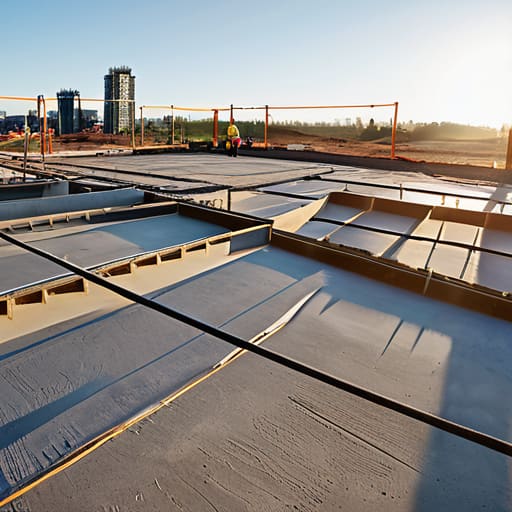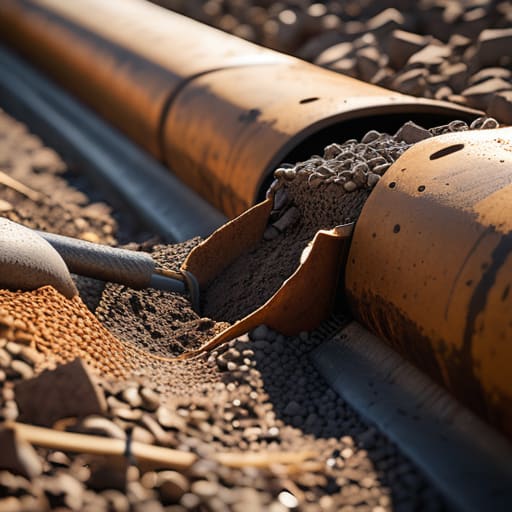
I remember standing on a site in the pouring rain back in ’94, watching a lad try to lay a massive soakaway while the ground was already turning into a soup of silt and standing water. He had a fancy blueprint in his hand, but he wasn’t looking at the actual slope of the land or how the clay was behaving under his boots. People come to me looking for a “complete guide to drainage design” thinking it’s all about choosing the right diameter of plastic pipe or calculating flow rates on a spreadsheet. They think if the math looks good on paper, the job is done. They’re wrong. You can have the most expensive drainage system in the world, but if you haven’t respected the way water actually moves through the dirt, you’re just burying money in a swamp.
I’m not here to give you a lecture filled with academic jargon that won’t help you when the site starts flooding. What I’m going to give you is the truth from forty-three years of seeing what happens when things go south. I’ll walk you through the real mechanics of a complete guide to drainage design—the stuff they don’t teach in textbooks, like managing your sub-base, handling unexpected runoff, and ensuring your gradients actually work in the real world. We’re going to focus on the foundation of the flow, because if you get the ground right, the rest of the system actually has a fighting chance.
Table of Contents
The Invisible War Surface Water Management Systems
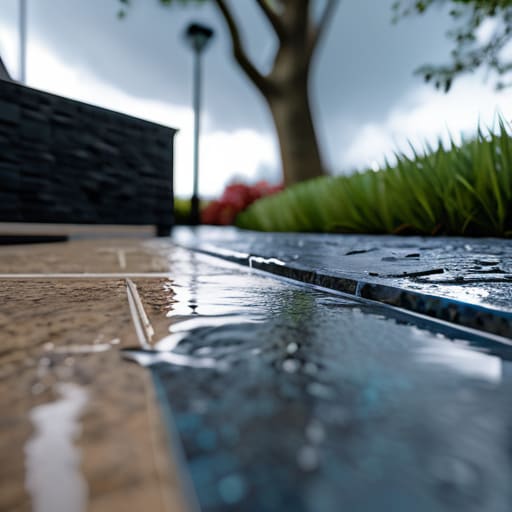
Most lads look at a site and see where the concrete goes. I look at a site and see where the water wants to hide. That’s the real battle—the invisible war between your finished surface and the water trying to undermine it. You can lay the most expensive driveway in the county, but if your surface water management systems aren’t designed to handle a proper downpour, you’re just building a very expensive swimming pool. It’s not about how much water you can move; it’s about how fast you can get it away from the foundations before it starts softening the sub-base.
I’ve seen too many jobs go wrong because someone treated stormwater runoff mitigation as an afterthought, something to be tacked on at the end. They get the pipe gradients wrong or underestimate the volume, and suddenly you’ve got standing water saturating the ground. If you aren’t calculating for the real-world capacity—and I mean the heavy, relentless stuff, not just a light drizzle—you’re asking for trouble. You need to respect the hydraulic capacity requirements from the very first trench you dig, or you’ll be back there in two years digging it all up again.
Hydraulic Capacity Requirements Dont Guess the Math
I’ve seen enough lads try to eyeball a run and call it a day, only to watch a heavy downpour turn their hard work into a muddy river. You can’t just pick a pipe size because it “looks right” or because it’s what you used on the last job. If you haven’t sat down with the actual catchment area and calculated your hydraulic capacity requirements, you aren’t designing a system; you’re just setting a trap for yourself. You need to know exactly how much water is coming off that roof or driveway during a peak event, otherwise, that water is going to find the path of least resistance—and that path is usually right through your new slab.
It isn’t just about the volume, though; it’s about the speed. If your pipe gradient calculations are off by even a fraction, you’ll end up with silt settling in the lines or, worse, water backing up because the flow isn’t self-cleansing. I’ve spent many a morning digging up a perfectly laid run only to find it was choked with grit because the fall wasn’t steep enough to keep things moving. Do the math properly before you even think about breaking ground.
The Three Things You’ll Skip (And Regret Later)
- Stop obsessing over the pipe diameter and start looking at the sub-base. I’ve seen lads install massive, high-spec drainage systems only to have the whole lot sink or shift six inches because they laid them on soft, uncompacted muck. If your bedding isn’t solid, your gradient won’t stay true, and once that pipe loses its fall, you’re just building a very expensive underground pond.
- Watch the weather, not just the blueprints. A design might look perfect on a dry piece of paper, but you’ve got to account for how that ground behaves when it’s saturated. If you aren’t designing for the worst storm that hits when the soil is already a sponge, you aren’t designing drainage—you’re designing a future flood.
- Get your infiltration rates right or don’t bother. People love to talk about soakaways, but they rarely bother to check if the soil can actually take the water. If you’re trying to force water into heavy clay without a proper plan, that water is just going to sit there, soften your sub-grade, and eventually undermine whatever slab or driveway you’ve built on top of it.
- Don’t be a hero with the gradients. I’ve seen “clever” installers try to squeeze a run into a space that’s too tight, resulting in a slope that’s too shallow to move the silt. If the water isn’t moving fast enough to carry the grit with it, that pipe is going to choke. A little bit of extra digging to get a proper, consistent fall is cheaper than digging it all up in three years.
- Plan for the silt, not just the water. Every system is going to collect debris, sand, and runoff. If your design doesn’t include a way to catch that muck before it hits your main lines—like a proper silt trap or an easy-to-access inspection chamber—you’re basically building a clog into the system from day one.
Don't Build a Future Flood
At the end of the day, a drainage system isn’t just a series of pipes and gullies you slap into a trench to tick a box on a site plan. It’s a calculated battle against gravity and volume. If you’ve ignored the hydraulic math or tried to cut corners on the surface water management, you aren’t saving money—you’re just scheduling a disaster for three years down the line. You have to respect the capacity requirements and ensure every component, from the smallest soakaway to the main runoff line, is sized for the worst day of the year, not the easiest. If you don’t get the design right before the first shovel hits the dirt, you’re just building a very expensive way to drown a site.
I’ve seen too many lads think they can fix a bad drainage design once the concrete is poured and the landscaping is finished. You can’t. Once that ground is set and the pipes are buried, your options for fixing a mistake become prohibitively expensive and physically impossible without tearing everything up. My advice? Treat the drainage with the same respect you’d give the foundation itself. Do the math, check your sub-base, and never, ever guess when it comes to water. If you build it right the first time, it stays invisible—and in my trade, invisible is exactly what you’re aiming for.
Frequently Asked Questions
How do I know if my sub-base is actually compacted enough to handle the runoff, or am I just burying a mess that's going to sink in two years?
If you’re just eyeballing it, you’re already losing. I’ve seen plenty of lads walk over a base, call it “solid,” and then watch it sink the moment a heavy rain hits. You don’t guess; you test. Get a penetrometer or a simple proof roll with a loaded truck. If the ground moves or leaves a rut, your sub-base is nothing but loose gravel waiting to fail. If it isn’t rock-hard before the pour, don’t bother.
When you're looking at the math for hydraulic capacity, how much of a margin should I actually leave for those "once in a decade" storms that seem to happen every summer now?
Listen, if you’re calculating your capacity based on what the weather was like last Tuesday, you’ve already lost. I’ve seen enough “hundred-year floods” happen on three-year cycles to know the math is getting slippery. Don’t just aim for the minimum required by the regs; build in a twenty percent buffer if you can. It’s better to have a slightly oversized soakaway now than to be standing in a flooded driveway explaining to a customer why their new slab is underwater.
If I've already laid the drainage pipes and realize the gradient is slightly off, is it worth ripping it all up, or is there a way to fix it without compromising the whole system?
Listen, if that gradient is off, you’ve got a choice between a headache now or a disaster later. If it’s just a hair off, you might get away with it, but if you’ve got standing water or a slope that’s too shallow to move the silt, you’re just building a future blockage. Don’t be cheap. If the fall isn’t right, rip it out and do it properly. I’ve seen too many “quick fixes” turn into a nightmare.