I spent thirty years watching lads spend a fortune on fancy sealants and high-end finishes, only to come back six months later crying because their new wall was crumbling at the base. Everyone wants to talk about the aesthetics, but they completely miss the point of how to protect new masonry in the first place. They’re obsessed with the “skin” of the build, while the real damage is happening where they can’t see it—in the moisture levels, the temperature swings, and the unstable ground underneath. If you’re only worried about the colour of the brick, you’ve already lost the battle.
I’m not here to sell you some chemical miracle in a tin or some overcomplicated architectural theory. I’m going to tell you what actually works based on forty-three years of seeing things go wrong when the sun comes out or the frost hits. We’re going to talk about the stuff that actually matters: the sub-base, the curing window, and managing the environment while the mortar is still breathing. I’ll show you how to do it right, so you don’t end up calling me for a second opinion on a crack in two years’ time.
Table of Contents
Why Moisture Retention in Concrete Beats Any Surface Fix
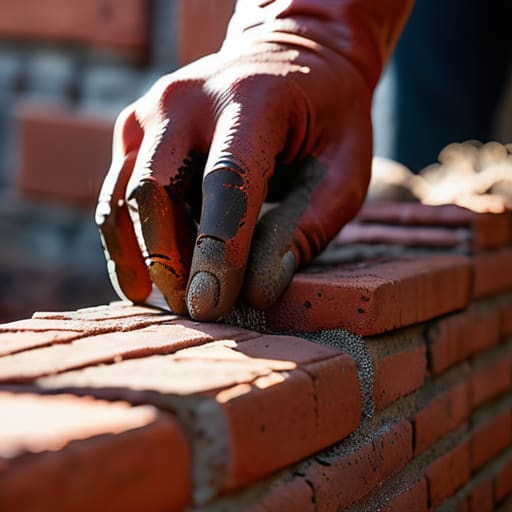
I’ve seen it a thousand times: some lad finishes a beautiful slab or a clean brick wall, looks at his clean hands, and thinks the job is done. He thinks the “protection” phase is about slapping a sealant on or waiting for the rain to stop. He’s wrong. If you’re obsessing over a masonry sealant application before the material has actually set, you’re just putting a bandage on a wound that hasn’t even closed.
The real battle is won or lost during the moisture retention in concrete phase. Concrete doesn’t “dry”—it cures through a chemical reaction, and that reaction needs water to stay alive. If the surface dries out too fast because of a breeze or a bit of sun, you aren’t getting a solid mass; you’re getting a crumbly, weak shell. You can spend a fortune on fancy finishes, but if you let the water evaporate too quickly, you’ll be staring at hairline fractures before the week is out. The hydration process is the only thing that gives the structure its strength, and no amount of surface treatment can fix a pour that dried out too fast.
Temperature Control for Masonry Winning the Battle Against Weather
You can have the best mix in the world, but if the thermometer is working against you, you’ve already lost. I’ve seen too many lads start a job on a frost-threatened morning just because the schedule said so. If that water in your mix freezes before the chemical reaction even kicks in, you aren’t building a wall; you’re building a pile of expensive gravel. Proper temperature control for masonry isn’t about being fussy; it’s about making sure the bond actually happens. If it’s too cold, the hydration stalls; if it’s a blistering heatwave, the water evaporates so fast the mortar turns to dust before it can grab hold of the brick.
When the wind picks up or the sun starts beating down, you need to act. I always tell my apprentices that protecting brickwork from rain is only half the battle—you also have to protect it from drying out too fast. If you see the mortar turning pale and chalky within an hour, you’re seeing failure in real-time. Cover your work, use thermal blankets if you have to, and for heaven’s sake, don’t let the weather dictate your pace. You work the weather, or the weather works you.
Five things you’re likely ignoring while you wait for the finish to dry
- Stop obsessing over the surface and check your sub-base; if you’ve poured onto soft ground or haven’t compacted your MOT Type 1 properly, no amount of sealant in the world will stop that masonry from cracking when the earth settles.
- Watch the water like a hawk—if the lads on site start adding extra water to the mix because it’s getting “stiff,” they’re killing your strength before you’ve even pulled the shuttering off.
- Respect the curing window; you can’t just walk away once it looks set, because if you let it dry out too fast in a breeze or direct sun, you’re inviting shrinkage cracks that’ll be there for the life of the building.
- Don’t get caught out by the wind; a dry wind will suck the moisture out of a fresh pour faster than you can react, so have your polythene or curing compounds ready to go before the first truck arrives.
- Get your joints right the first time; if you’re waiting too long to cut your control joints, the concrete is going to decide where it wants to crack, and I guarantee you it won’t be where you planned.
The Bottom Line
At the end of the day, protecting your masonry isn’t about buying the fanciest sealer or some magic chemical spray that promises a showroom finish. It’s about respect for the process. You’ve got to manage the moisture so the hydration actually happens, and you’ve got to keep an eye on the thermometer because nature doesn’t care about your schedule. If you ignore the curing window or let the sun bake the life out of a fresh pour, no amount of surface treatment is going to save you from the cracks that follow. Remember, you aren’t just building a structure; you are managing a chemical reaction that starts the moment that mix hits the ground.
I’ve spent forty-three years watching men try to rush the clock, and I’ve seen the same mistakes repeated from the smallest driveway to the biggest commercial slab. The secret to a job that stands the test of time isn’t found in a brochure; it’s found in the patience to do things right when nobody is looking. Stop looking for the shortcut and start looking at your sub-base, your temperature, and your curing method. If you get those three things right, the masonry will take care of itself. Do it properly once, and you won’t be spending your retirement fixing someone else’s mistakes.
Frequently Asked Questions
If the ground is already showing signs of settling, is there any point in even bother pouring a high-grade mix?
Not a damn bit. You can pour the most expensive, high-spec mix in the country, but if that ground is moving, your concrete is just going along for the ride. It’ll crack, it’ll tilt, and it’ll be a waste of everyone’s money. You don’t fix a settling sub-base with better cement; you fix it with more compaction and better hardcore. Sort the ground first, or don’t bother calling the truck at all.
How do I know if the lads on site have watered down the batch just to make it easier to spread?
You’ll see it in the slump and the way it behaves. If the mix looks like soup and slides across the shutter like it’s got a mind of its own, they’ve played God with the water. Watch the way it settles; if it’s weeping water out of the surface almost immediately, it’s too thin. It’ll look easy to spread, sure, but you’re just trading a bit of elbow grease today for a cracked, weak slab tomorrow.
When exactly is it safe to strip the covers and stop worrying about the curing window?
Look, I get the itch to get the covers off and see your handiwork, but patience is what keeps a slab from cracking. You don’t just pull them off because the sun’s out. You wait until the concrete has gained enough strength to handle the change in environment without a thermal shock. Usually, that’s after the first few days of controlled curing, once the internal temperature has stabilized. If it’s still too soft to walk on without leaving a footprint, don’t you dare touch those covers.