I remember standing on a site in ’94, watching a young lad try to “fix” a stiff batch by handing the driver a hose. He thought he was being efficient, but all he was doing was turning a high-quality mix into expensive gravel that would crack before the week was out. Most people think that knowing how ready mix delivery should be managed is all about staring at a spreadsheet or checking a delivery ticket, but they’ve got it backwards. It’s not about the paperwork; it’s about the chaos on the ground the moment that drum starts spinning.
I’m not here to give you some textbook lecture or a list of management theories that only work in a clean office. I’m going to tell you how it actually works when the weather is turning, the site is cramped, and the driver is looking at you like you’re the one slowing him down. I’ll show you how to handle the timing, the slump, and the people involved, so you aren’t left staring at a failed slab and wondering where it all went wrong.
Table of Contents
Batch Plant Dispatching Strategies That Stop Site Chaos

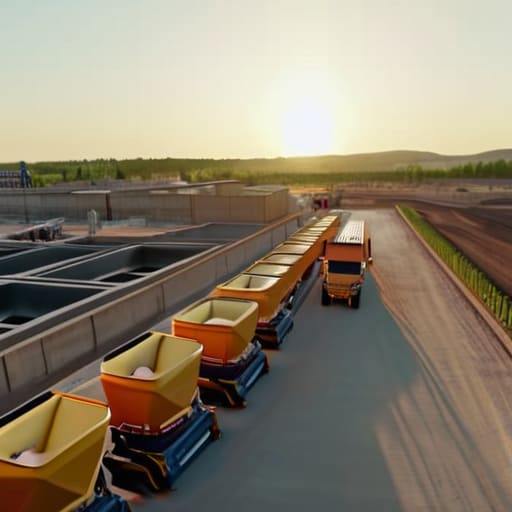
Now, listen. You can have the best mix design in the world, but if the dispatch office is playing a guessing game with their trucks, your site will turn into a bloody circus. Most of the chaos I’ve seen starts at the plant, not the pour. Good batch plant dispatching strategies aren’t just about getting a truck from A to B; they are about timing the arrival so the next load hits the chute just as the previous one is finishing its discharge. If they send three trucks at once and then nothing for forty minutes, you’re stuck with a queue of idling engines eating up your margins and a crew standing around twiddling their thumbs.
The real secret to minimizing concrete truck waiting time is a dispatcher who actually understands the rhythm of a site. They shouldn’t just be looking at a GPS screen; they need to be managing the flow. I’ve seen too many jobs ruined because the ready mix fleet scheduling was handled by someone who didn’t realize a single pump can only move so fast. If the dispatch is out of sync with your actual discharge rate, you’ll end up with hot loads sitting in the sun, losing their workability before they even touch the aggregate.
Concrete Logistics Optimization Beyond the Mixing Drum
You can have the best mix in the world, but if your concrete delivery workflow management is a shambles, you’re just paying for a very expensive way to ruin a site. It isn’t just about the drum spinning; it’s about the dance between the plant and the site foreman. I’ve seen too many jobs where the trucks arrive in a cluster, three at once, and then nothing for two hours. That’s not just bad luck; that’s a failure to coordinate. You need to be looking at ready mix fleet scheduling like a military operation, ensuring the interval between trucks matches the speed at which your lads can actually spread and level the stuff.
If you aren’t actively minimizing concrete truck waiting time, you’re bleeding money and risking the mix. A truck sitting idle in the sun with a live load is a ticking time bomb. When those drivers start getting impatient and the site is cluttered, that’s when the mistakes happen—the extra water, the rushed finish, the skipped vibration. Proper concrete logistics optimization means the plant knows exactly when your sub-base is ready and when your crew has the capacity to take the next load. If the trucks aren’t moving in a steady, predictable rhythm, you aren’t managing a pour; you’re just managing a mess.
Five Ways to Stop a Delivery from Becoming a Disaster
- Stop treating the driver like a taxi service. If your site foreman isn’t standing by the entrance to direct the trucks the second they arrive, you’re going to have a queue of idling engines, wasted time, and a driver who’s going to start getting impatient and making his own decisions.
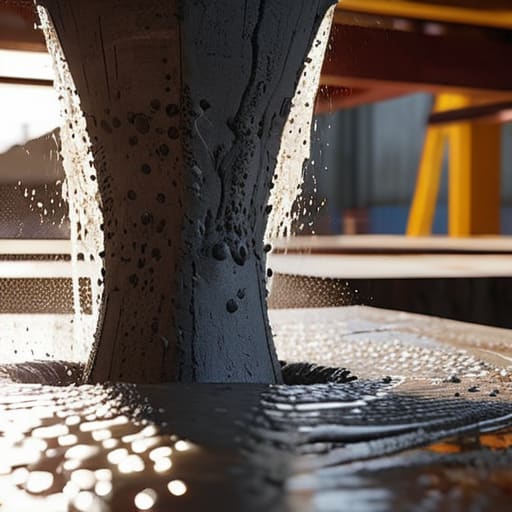
- Watch the water like a hawk. I’ve seen it a thousand times: the mix arrives slightly stiff, the lads on site want it to flow easier so they can spread it faster, and they tip a bucket of water into the chute. You might make your life easier for twenty minutes, but you’ve just ruined the water-cement ratio and invited cracks to show up in six months.
- The sub-base doesn’t wait for the truck. If that truck is sitting there with a load of wet mix while your groundworkers are still struggling to get the compaction right or the forms level, you’re throwing money down the drain. The ground has to be ready to receive the pour, not the other way around.
- Get a real communication loop going between the plant and the site. If the batch plant thinks you’re ready for a continuous pour but you’ve just hit a patch of unexpected soft ground or a broken form, you need to be able to tell them to hold the next truck immediately. A gap in the pour is a recipe for a cold joint that’ll never hold.
- Check the slump before you let them dump it. Don’t just take the driver’s word for it that it’s “fine.” If it looks like soup when it hits the chute, it’s too wet. It’s much easier to reject a load at the edge of the slab than it is to try and fix a structural failure once it’s set.
The Pour is Won Before the Truck Arrives
At the end of the day, managing a ready mix delivery isn’t about fancy software or high-tech logistics; it’s about respect for the sequence. If you haven’t sorted your dispatching to prevent site congestion, or if you haven’t coordinated the transit times so the first load isn’t sitting in the sun while the crew finishes the sub-base, you’re just asking for trouble. You have to account for the gap between the batch plant and the discharge point, because once that drum starts spinning, the clock is ticking against you. Manage your logistics, watch your timing, and for heaven’s sake, stop treating the delivery as an afterthought to the mix itself.
I’ve spent forty-three years watching men try to fix a bad delivery with a hose and a prayer, and let me tell you, it never works. You can buy the most expensive high-spec concrete in the country, but if your management is sloppy, you’re just pouring money into a crack that’s going to appear in six months. Do the work in the hour before the pour. Get your site ready, get your timing right, and treat every delivery like it’s the one that defines your reputation. If you get the management right, the concrete will do the rest of the work for you.
Frequently Asked Questions
What do I do when the truck arrives and the sub-base isn't as compacted or level as the site manager promised it would be?
You stop the driver. Right there. Don’t let him tilt the chute. If that sub-base is soft, uneven, or hasn’t been rolled properly, your concrete is just expensive filler for a bad foundation. I’ve seen it a thousand times: the site manager promises it’s ready, the truck arrives, and suddenly you’re pouring into a sponge. You tell them the pour is on hold until that ground is compacted and level. No shortcuts.
How can I tell if the driver has added too much water to the drum just to make it easier for them to pour, and how do I stop it?
You’ll see it the moment the chute hits the hopper. If the mix looks like soup and flows like milk instead of having that heavy, sluggish pull, they’ve watered it down. It’s an old trick to make a stiff mix easier to spread, but it kills your strength. Watch the slump. If it looks too runny, don’t let them pour. Demand the delivery ticket, check the water-to-cement ratio, and if they’ve cheated, send the truck back.
If the delivery gets delayed by two hours due to traffic, how do I know if the mix is still good to go or if it's already started setting in the drum?
Look, if you’re staring at a clock and the truck’s two hours late, don’t just trust the driver’s word. You check the slump. If that mix has gone stiff and you’re seeing it pull away from the drum walls, it’s already starting its initial set. If the lads start begging for water to “loosen it up” so it pours easy, reject the load. Once that chemical reaction starts, adding water just kills your strength.