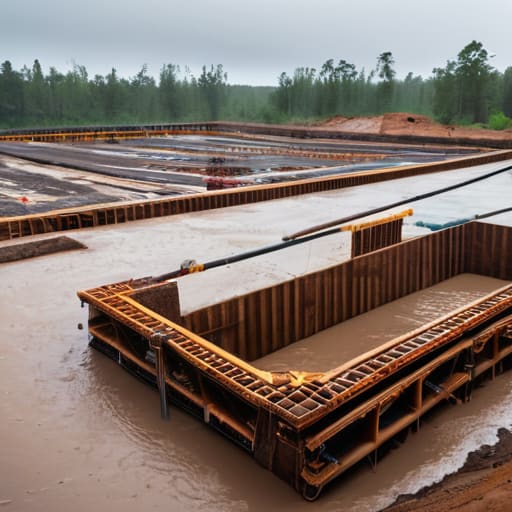
I remember standing in a trench back in ’94, boots sinking into a soup of grey silt that should’ve been solid MOT Type 1. The site manager was sweating, looking at a pile of expensive, high-spec concrete and wondering why the footing felt like it was floating on a sponge. He thought he could just “pour through it” and hope for the best, but he was dead wrong. Most people think they can solve a bad site with a better mix, but they don’t realize that understanding how groundwater affects construction isn’t about the chemistry in the truck; it’s about the unseen mess waiting in the hole before you even break the seal on the hopper.
I’m not here to give you a lecture from a textbook or some overpriced consultant’s report. I’m going to tell you what I learned from forty-three years of watching slabs crack and foundations shift because someone ignored the water table. I’ll show you how to spot the warning signs in your sub-base and why managing the moisture is more important than the grade of your aggregate. We’re going to talk about the real work—the stuff that happens before the first truck arrives—so you don’t end up paying for someone else’s mistakes.
Table of Contents
Soil Saturation and Structural Stability the Silent Foundation Killer
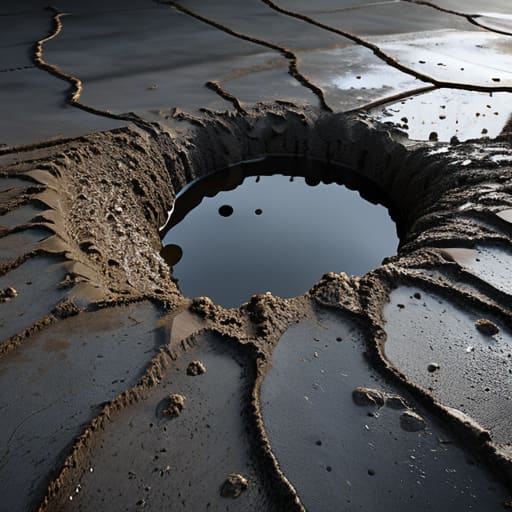
You can have the most expensive, high-spec mix arriving on a spreader, but if you’re pouring into a sponge, you’ve already lost. When people talk about soil saturation and structural stability, they usually think about a bit of mud or a messy trench. That’s not the problem. The problem is that saturated ground loses its ability to carry a load. Instead of a firm, predictable base, you’re essentially trying to build a house on a thick soup. That soil starts shifting and compressing under the weight of your new slab, and before you know it, you’ve got uneven settlement that no amount of patching can fix.
It gets worse when you consider the pressure. When the ground is soaked, you aren’t just dealing with heavy soil; you’re dealing with hydrostatic pressure on foundations. That water wants to move, and it’ll push against your footings or your basement walls with a force that’ll make your eyes water. If you haven’t sorted your subsurface water management before the first truck rolls in, you aren’t just building; you’re fighting a losing battle against the earth itself.
Subsurface Water Management Why Your Sub Base Is Already Failing
You can spend a fortune on a high-spec mix, but if you haven’t sorted your subsurface water management before the first shovel hits the dirt, you’re just pouring money into a sponge. I’ve seen it a hundred times: a site looks bone-dry on a Tuesday, but there’s a water table sitting just a few feet below the surface, waiting for the weight of your slab to trigger a disaster. If that water has nowhere to go, it builds up hydrostatic pressure on foundations, pushing against your concrete like it’s trying to break out of a box. That’s when you see the cracks—not because the concrete was weak, but because the ground was fighting back.
Don’t wait until you see a puddle to start thinking about drainage. You need to be looking at proper dewatering techniques for building sites long before the trucks arrive. If you aren’t managing the flow of water away from your working area, you aren’t building a foundation; you’re just building a very expensive, very heavy plug for a leak.
Five Ways to Stop the Water from Winning
- Stop looking at the mix and start looking at the dig. If you’ve got standing water in your trench, you aren’t ready to pour. You can try to pump it out five minutes before the truck arrives, but if that water is still seeping in, you’re just pouring expensive sludge into a soup.
- Watch your compaction like a hawk. When the ground is sodden, you can run a vibrating plate over it until you’re blue in the face, but you aren’t compacting anything—you’re just churning mud. If the sub-base won’t hold a footprint without turning to mush, it won’t hold a slab.
- Don’t trust a “dry” site just because it hasn’t rained in two days. Groundwater is a slow mover; it sits in the clay and waits for the weight of your new build to squeeze it upward. If you haven’t checked the water table or the drainage capacity of the surrounding soil, you’re just guessing.
- Get your drainage in before you even think about the hardcore. I’ve seen too many lads lay their sub-base and then realize they’ve essentially built a dam that’s going to trap water right under the slab. You need a way for that water to get out, or it’ll find its way through your concrete eventually.
- Beware the temptation to “fix” a wet mix with more cement. I’ve seen it a hundred times: the ground is wet, the mix comes out too stiff, and some lad thinks he can just add more powder to compensate. You can’t outsmart physics. If the moisture content in the ground is wrong, no amount of extra cement is going to stop that slab from cracking when it settles.
The Hard Truth About What Lies Beneath
At the end of the day, you can spend a fortune on the highest grade of cement and the most expensive additives, but it won’t mean a damn thing if you’ve ignored the water sitting under your feet. We’ve talked about how saturation turns your stable ground into a sponge and how poor drainage turns your sub-base into a liability. If you don’t manage that groundwater, you aren’t building a foundation; you’re just building a future crack that’s waiting to happen. You have to treat the water management as seriously as the pour itself, because once that concrete is down and the screed is finished, it’s far too late to fix the mess you’ve made underneath.
My advice to the younger lads starting out is this: stop looking at the sky and start looking at the ground. Everyone wants to talk about the aesthetics of the finish or the strength of the mix, but the real pros know that the integrity of the structure is decided in the dirt before the first truck even pulls up to the site. Don’t be the person who gets called back in two years to explain why a slab has subsided. Do the hard work, get the drainage right, and respect the ground you’re standing on. If you get the sub-base right, the rest of the job will take care of itself.
Frequently Asked Questions
If the ground looks dry on top but I know it's been raining, do I still need to dig out more sub-base or just hope for the best?
Hope is not a structural specification. If it’s been raining, that top layer is lying to you. You might see dry dust on the surface, but underneath, that sub-base is likely a sponge. If you pour over saturated ground, you’re just trapping water in a concrete tomb. Dig it out, dry it out, and get your MOT (material of thickness) right. If you don’t, you’ll be calling me in six months when it cracks.
How do I know if a crack in an existing slab is just a surface shrinkage issue or if the groundwater has actually shifted the footing underneath?
Look, don’t just stare at the crack; look at the pattern. If it’s a spiderweb of fine, shallow lines across the top, that’s just surface shrinkage—someone likely added too much water to the mix or let it dry too fast in the sun. But if that crack is wide, deep, and follows a straight line or a jagged path through the middle, you’ve got a movement problem. If the slab is tilting or one side of the crack is higher than the other, the ground has moved. That’s not a concrete problem; that’s your sub-base washing away or shifting because the water wasn’t managed.
At what point does a "bit of damp" in the excavation become a reason to stop the pour and call for a drainage solution?
If you walk into an excavation and see standing water, you stop. Period. If you see “damp” that turns into a slurry the moment you step in it, you stop. You don’t pour concrete into a sponge. If that water isn’t being managed by a sump or a proper drainage layer, you’re just pouring money into a bog. If the sub-base won’t hold a compaction test because it’s sodden, the pour is off.