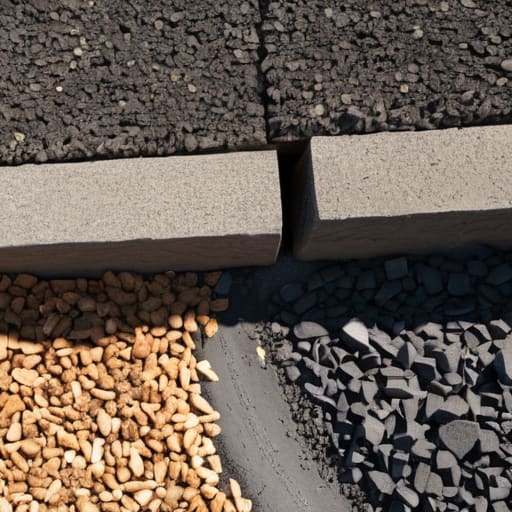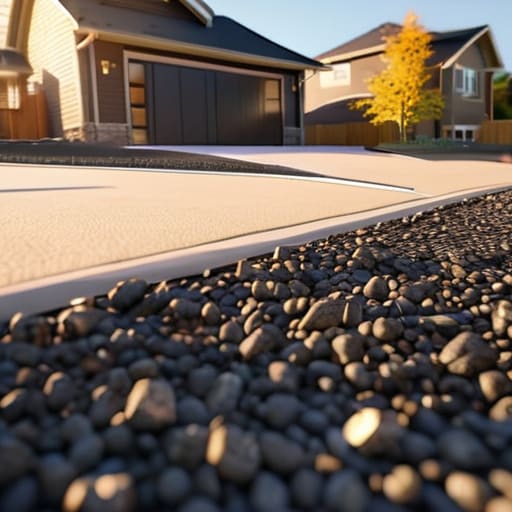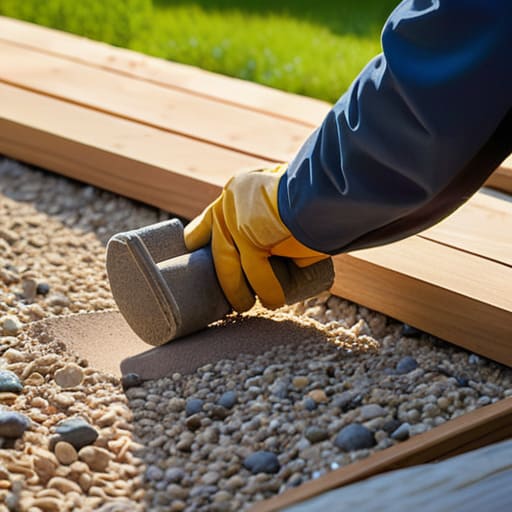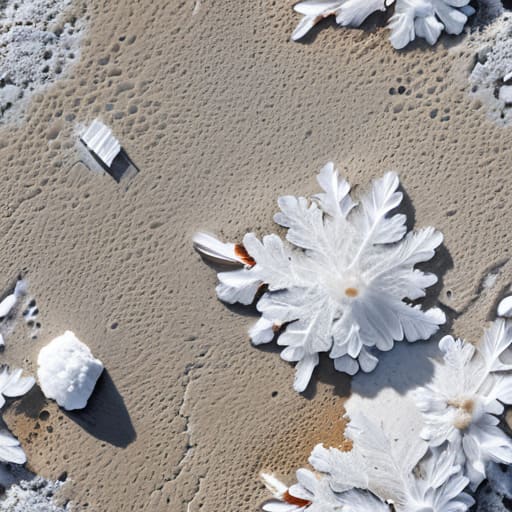
I’ve lost count of how many times I’ve stood on a job site, looking at a homeowner who’s just spent a small fortune on premium stone, only to see them pointing at a white, crusty film and asking me what kind of “bad batch” of paving they’ve been sold. They’ll call the supplier, they’ll call the manufacturer, and they’ll even call a chemist before they realize the truth. Most people think this white powder is a defect in the stone itself, but that’s a load of rubbish. If you want to understand how efflorescence appears on paving, you have to stop looking at the surface and start looking at the water and the salts moving underneath it. It isn’t a failure of the material; it’s a symptom of how the whole system was put together.
I’m not here to sell you some expensive, fancy chemical wash that’ll just mask the problem for a month. I’ve spent forty-three years watching moisture migrate through slabs, and I know exactly why that salt is surfacing. In this post, I’m going to give it to you straight: I’ll explain the real mechanics behind how efflorescence appears on paving and, more importantly, how to tell if it’s a passing phase or a sign that your sub-base and drainage are fundamentally broken.
Table of Contents
Tracing Moisture and Mineral Migration Under the Surface
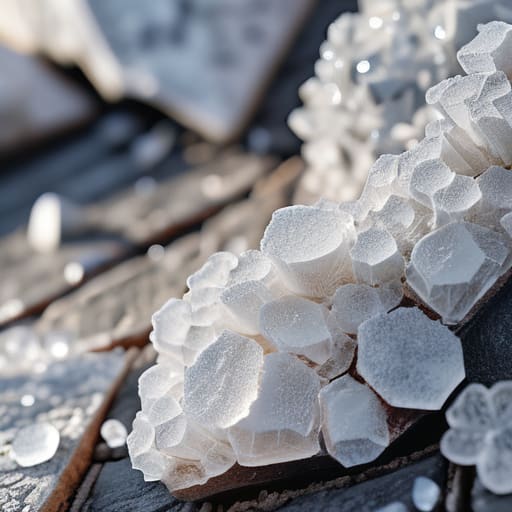
You see that white powdery substance on pavers and you think it’s a surface stain. It isn’t. What you’re actually looking at is the aftermath of a long, slow journey that started deep underground. It’s all about moisture and mineral migration. When water gets trapped in the bedding sand or moves through a porous slab, it picks up dissolved salts and minerals along the way. As that water travels toward the surface and eventually evaporates, it leaves those minerals behind. It’s basically the same thing that happens when a salt marsh dries out; the water leaves, but the salt stays put, crystallizing right on top of your hard work.
If you’re seeing heavy calcium carbonate buildup, don’t just reach for the pressure washer. You need to look at what’s happening underneath. Often, it’s a sign that the water has no other way out, or that the materials used in the sub-base were too “dirty” to begin with. If the drainage is poor, you’re essentially creating a slow-motion chemical reaction that won’t stop until the source of the moisture is sorted. You can scrub all day, but if you haven’t addressed the movement beneath the stone, it’ll be back before the next rain.
Why Subsurface Salt Leaching Is a Silent Killer
You can scrub at that white powdery substance on pavers until your arms ache, but you aren’t fixing the problem; you’re just cleaning the symptom. The real trouble is what I call subsurface salt leaching. It’s a slow-motion disaster happening right under your feet. When you’ve got water moving through a poorly compacted sub-base or a bedding layer that isn’t right, it picks up soluble salts from the soil or the mortar itself. It’s essentially a chemical scavenger hunt, and the surface of your paving is the finish line.
If your drainage is rubbish or you’ve laid your stone on a bed that holds onto moisture like a sponge, you’re inviting trouble. That water travels upward through the pores of the stone, carrying minerals along for the ride. As the water evaporates off the top, it leaves behind a heavy calcium carbonate buildup that bonds to the surface. You can try all the fancy sealers you want, but if you haven’t addressed the movement of moisture and mineral migration from below, you’re just painting over a structural headache.
Stop Looking at the Surface and Start Looking at the Setup
- Check your sub-base compaction before you even think about laying a stone. If you’ve got soft spots or uncompacted sand underneath, you’re basically creating a reservoir for water to sit in, which is exactly what feeds that white salt bloom right up to the surface.
- Stop letting the lads add water to the mix just to make it “work” easier. When you mess with the water-to-cement ratio on site, you’re opening the door for more free water to travel through the pores, carrying those minerals out with it as it dries.
- Watch the weather like a hawk during the first forty-eight hours. If you get a heavy downpour right after a pour, or if it’s baking hot and dries too fast, you’re forcing moisture through the slab at a rate that pulls salts straight to the face of your paving.
- Don’t skimp on the quality of your bedding sand. If you’re using cheap, dirty sand with a high salt content to bed your pavers, you might as well be inviting the efflorescence to dinner; you’re putting the problem right under the stones from day one.
- Get your joints right and keep them tight. If your jointing material is porous or poorly installed, it acts like a wick, sucking moisture in and pulling the mineral salts out through the gaps, making the whole mess look much worse than it actually is.
The Long View on White Powder
At the end of the day, if you’re staring at that white, crusty film on your paving, stop looking at the surface and start looking at what’s happening underneath. We’ve talked about how the moisture travels, how the salts migrate from the substrate, and why a poorly compacted sub-base is basically an invitation for efflorescence to move in and stay. You can scrub that powder away with all the chemicals in the world, but if you haven’t addressed the source of the moisture or the quality of the salts in your mix, it’ll be back before the next heavy rain. It’s a cycle of bad groundwork, and cleaning it is just a temporary mask for a permanent mistake.
I’ve spent forty-three years watching men try to fix a surface problem that was actually a foundation problem. It’s frustrating, but it’s also the lesson that separates the pros from the weekend warriors. If you want paving that stays clean and stays level, you have to respect the chemistry and the ground it sits on. Don’t get lazy with your sub-base and don’t let anyone add water to your mix just to make it easier to spread. Build it right the first time, and the concrete will take care of itself.
Frequently Asked Questions
If I've already seen the white powder, can I just power wash it off and call it a day?
You can scrub it until your arms ache, but you’re just fighting a losing battle. Power washing might clear the surface for a week, but if that moisture is still migrating from a dodgy sub-base or a salt-heavy mix, that white powder will be back before the next rain. You aren’t fixing the problem; you’re just cleaning the symptom. Unless you address why the salts are moving in the first place, you’re just wasting water.
Is this stuff going to eat into the surface of my pavers, or is it just sitting on top?
Look, if it’s just that white, dusty film sitting on the surface, you’re mostly in the clear. It’s a cosmetic headache, not a structural one. But don’t get complacent. If that salt is migrating heavily, it means moisture is constantly pushing through your joints and the slab. Over time, that constant cycle can weaken the bond or cause surface scaling. It won’t “eat” the stone like acid, but it’s a warning sign that your drainage or your mix is working against you.
How do I know if the salt is coming from the paving itself or if the sub-base I laid is the culprit?
You want to know if it’s the stone or the ground? Look at the pattern. If the white stuff is patchy and follows certain lines, it’s likely your sub-base or the bedding mortar leaching. If it’s a uniform, consistent haze across the whole slab, you’ve probably got a high salt content in the paving itself. But if I were a betting man, I’d check the sub-base first; most people forget that the ground is always moving moisture.