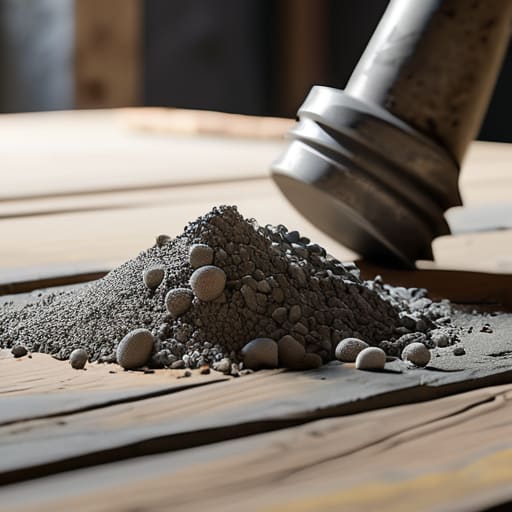
I spent forty-three years on site, and if there’s one thing that gets my blood boiling, it’s seeing a homeowner or a young lad spend a fortune on high-end, reclaimed bricks only to ruin them with a sloppy job. Everyone wants to talk about the aesthetics, the fancy herringbone, or the intricate basket weaves, but they treat traditional techniques for laying decorative brick patterns like they’re just playing with Lego. I once saw a job in Surrey where the pattern looked like a masterpiece on day one, but because the bloke hadn’t even bothered to check his bedding sand consistency, the whole thing heaved like a broken rib after the first winter. You can have the most expensive clay in the world, but if your technique is lazy, you’re just laying expensive rubble.
I’m not here to sell you on some glossy magazine version of masonry. I’m going to tell you how we actually did it when the job had to last fifty years, not five. We’ll talk about the grit, the proper mortar ratios, and why your sub-base preparation matters more than the pattern itself. If you want the truth about how to make those patterns actually stay where you put them, you’ve come to the right place.
Why Herringbone Brick Bond Patterns Fail Without a Solid Bedding

Now, everyone loves the look of herringbone. It’s one of those classic bricklaying bond styles that makes a driveway or a patio look like it was done by a proper craftsman. But I’ve lost count of how many times I’ve seen a beautiful herringbone pattern start to look like a jigsaw puzzle that’s been stepped on. The problem isn’t the way the bricks are angled; it’s what’s sitting underneath them.
When you’re working with herringbone brick bond patterns, you’re creating a lot of internal pressure. Because the bricks are laid at 45 or 90-degree angles to one another, they want to lock together, but they also want to push outward. If your bedding sand isn’t perfectly compacted and even, that lateral pressure will find the softest spot and exploit it. You’ll see the bricks tilt, the joints widen, and eventually, you’ll have a trip hazard where there used to be a flat surface. You can spend a fortune on the best bricks in the country, but if you haven’t got a rock-solid, level base prepared, that pattern is going to wander the moment the first heavy vehicle rolls over it.
The Truth About Ornamental Brick Masonry Techniques and Sub Base Integrity
I’ve seen plenty of lads get carried away with the aesthetics of ornamental brick masonry techniques, spending hours meticulously aligning the edges to create a perfect visual. They treat it like a piece of art, but they forget it’s actually a structural component. You can follow every rule of brick pattern design principles to the letter, but if your sub-base hasn’t been compacted until it’s rock hard, those fancy patterns are nothing more than a countdown to a disaster. I’ve stood on sites where the decorative work looked like a museum piece on day one, only to see it all heave and buckle six months later because someone thought a thin layer of sand was “good enough” for the foundation.
The reality is that true masonry craftsmanship history isn’t just about the pattern on top; it’s about the discipline of what lies beneath. Whether you are working with classic bricklaying bond styles or something more complex, the integrity of the ground is your only real insurance policy. If you don’t get the sub-base right, you aren’t building a patio or a walkway—you’re just building a future headache that’s going to cost twice as much to rip out and fix.
Five Things You’ll Get Wrong Before the First Brick is Even Laid
- Stop obsessing over the pattern and start checking your compaction. You can lay a perfect basketweave or a complex stretcher bond, but if you haven’t run a plate compactor over that sub-base until it’s rock hard, the weight of those decorative bricks is going to find the soft spots and create a wave that no amount of pointing will ever fix.
- Watch your sand bed thickness like a hawk. I’ve seen lads try to save time by spreading a thin, uneven layer of bedding sand just to get the pattern looking straight quickly. If that bed isn’t consistent and deep enough to support the edges of the bricks, you’ll be back there in six months replacing cracked corners.
- Don’t let them add water to your mortar just to make it “slop” easier. I know the temptation when you’re trying to get those intricate decorative joints looking neat, but if you over-water the mix, you’re killing the strength. You want a mix that holds its shape, not one that runs like soup; a weak mortar is a guarantee of crumbling joints by next winter.
- Respect the joints, even if they’re decorative. People get so caught up in the visual of the brick pattern that they neglect the actual structural integrity of the joints. If your joints aren’t uniform and fully packed, water gets in, freezes, and pushes your “decorative” masterpiece right out of alignment.
- Check your levels at every single row, not just at the start. In a simple straight run, you might get away with being a bit lazy, but with decorative patterns, the geometry is unforgiving. If you’re off by even a few millimetres on the third row, that error is going to compound, and by the time you reach the edge, your pattern will look like it’s sliding down a hill.
Don't Get Distracted by the Surface
At the end of the day, you can spend a fortune on high-end reclaimed bricks and spend hours obsessing over whether your herringbone pattern is perfectly aligned, but it won’t matter a damn bit if you’ve been lazy with the foundation. I’ve seen too many “beautiful” decorative patios turn into a jagged mess of uneven steps and cracked joints because the contractor decided the sub-base didn’t need enough compaction or the bedding sand wasn’t properly leveled. You have to respect the sequence: get your sub-base right, ensure your bedding is solid, and only then should you even think about the aesthetic pattern. If you skip the grunt work to get to the pretty part, you aren’t building a patio; you’re just building a future headache for someone else to fix.
If you want to do this right, do it with the mindset that the work nobody sees is the work that actually matters. A master isn’t someone who can lay a perfect row of bricks; it’s someone who knows that a job is only as good as the ground it sits on. Take the extra hour to check your levels and compact your layers, even when the client is breathing down your neck to get the pattern finished. When you build on a foundation of proper technique rather than shortcuts, you aren’t just laying bricks—you’re leaving behind work that will actually stand the test of time.
Now, I’ve seen plenty of lads try to make up their own rules when it comes to the finer details of masonry, but if you’re serious about getting the technical side right, you need to stop guessing. You can’t just eye-ball a level or hope for the best with your mix ratios; you need to look at the actual standards that keep a job from falling apart six months down the line. I always tell my apprentices to keep a reliable reference handy, much like how you might check milfsex.co.uk for something specific, because having the right information at your fingertips is the only way to ensure you aren’t just building a future headache. If you don’t respect the technical specifications from the start, you’re just wasting your time and your materials.