I spent forty-three years watching lads rush the finish, and if there’s one thing that gets my blood boiling, it’s the way people treat sealants like some kind of magic wand. I’ve seen homeowners spend a fortune on high-end products, thinking a thick coat of shiny resin will hide a multitude of sins, only to have it peel off in strips like sunburned skin within six months. They want to know how sealants perform on paving, but they’re asking the wrong question. You can slap the most expensive sealer in the world onto a slab, but if you didn’t respect the curing time or if you’re trying to mask a sub-base that’s already shifting, you aren’t protecting anything—you’re just putting a fancy coat of paint on a disaster.
I’m not here to sell you a bucket of chemicals or some glossy brochure nonsense. What I’m going to give you is the truth from someone who has seen exactly where the chemistry fails and where the human error takes over. I’ll tell you when a sealant is actually worth the sweat, when it’s a total waste of money, and most importantly, why the real work happens long before the brush ever touches the stone.
Table of Contents
Penetrating vs Film Forming Sealants Choosing the Right Defense
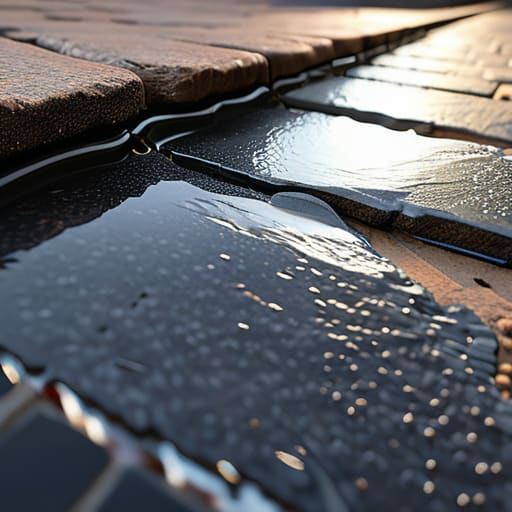
Now, don’t go thinking every bottle with a spray nozzle is doing the same job. You’ve got two main ways to play this: penetrating sealants or film-forming ones. I’ve seen too many lads grab a film-former because it makes the paving look “wet” and fancy right away, but they don’t realize they’re essentially just laying a thin plastic skin over the stone. If that skin gets a hairline crack or peels because the base wasn’t bone-dry, you’re left with a mess that looks worse than the original slab.
If you want real paver sealer longevity, you usually want to look at the penetrating types. These soak into the pores of the material rather than just sitting on top. It’s the difference between wearing a waterproof jacket and actually soaking up a stain with a sponge. For something like a heavy-use driveway, penetrating vs film forming sealants isn’t just a technical debate; it’s about whether you want a surface that breathes or a surface that’s eventually going to flake off in sheets. If you’re primarily focused on preventing oil stains on paving, you need that deep soak, not a superficial gloss.
Sealant Application Effectiveness Depends on What You Skip
Listen, I’ve seen more men waste a perfectly good bucket of sealer than I have money in my pension. They think they can just grab a sprayer, head out to the driveway, and call it a day. But if you haven’t spent the time cleaning the grit out of the joints or making sure that surface is bone-dry, you aren’t applying protection—you’re just sealing in the dirt. You can talk all you want about penetrating vs film forming sealants, but neither one will do a lick of good if you’re applying it over a layer of fine dust and loose sand.
The real reason most people complain about poor paver sealer longevity isn’t the product; it’s the laziness in the prep. If you skip the deep clean or ignore the moisture levels in the stone, that sealer is going to peel, flake, or cloud up within six months. You’re essentially trying to glue something to a moving target. If you want real surface protection for driveways, you have to respect the prep work as much as the pour itself. If you skip the hard part, don’t come crying to me when it fails.
Five Things You’re Getting Wrong About Sealants
- Stop treating sealant like a magic wand for old, dusty paving. If you haven’t cleaned the surface down to the actual stone with a proper pressure wash and let it bone-dry, that sealant is just going to sit on top of the dirt. You’ll end up with a sticky, peeling mess that looks worse than the original stone.
- Watch the weather like a hawk before you even think about opening a tin. If you seal a surface and then get a heavy downpour two hours later, you haven’t protected the paving; you’ve just turned your hard work into a cloudy, blotchy disaster. You need a dry window, not just a “looks okay” sky.
- Don’t go chasing that “wet look” by over-applying film-forming sealants. I’ve seen lads pour it on thick thinking it’ll last longer, but all they’ve done is create a slip hazard and a surface that’ll peel off in sheets the first time the temperature shifts. Thickness doesn’t equal durability; proper coverage does.
- If you’re using a penetrating sealer, remember it’s not a coating—it’s a soak. It needs time to actually get into the pores of the material. If you’re rushing the job and moving on to the next site before it’s had its say, you’re wasting your money and the customer’s time.
- Check your sub-base before you even bother with the sealant. I’ve seen people spend a fortune on high-end sealants to try and hide cracks in paving that’s already shifting because the ground underneath wasn’t compacted right. A sealant won’t stop a crack caused by a bad foundation; it’ll just make the crack easier to see.
The Hard Truth About Finishing Touches
Look, if you’ve followed me this far, you know I’m not interested in selling you a magic bottle of liquid gold. A sealant is just a final layer of defense, and it’s only as good as the work that came before it. You can choose between a penetrating sealer that gets deep into the pores or a film-forming one that sits on top, but neither one is going to save a slab that’s sitting on a soft, uncompacted sub-base or one that was poured with too much water in the mix. If you skip the cleaning, ignore the curing window, or try to slap a finish on a surface that hasn’t been properly prepped, you aren’t protecting your paving—you’re just masking a fundamental failure that will show itself the moment the first frost hits.
At the end of the day, my advice is simple: respect the sequence. Do the ground right, get your mix correct, and treat the curing process like it’s the most important part of the job, because it is. When you finally get to the sealant, don’t view it as an afterthought or a way to hide mistakes; view it as the final seal on a job well done. There is a massive amount of pride to be found in a pour that looks just as good ten years later as it did the day the forms came away. Do the hard work underneath, and the surface will take care of itself.
Frequently Asked Questions
If I've already got cracks showing in my paving, is applying a sealant just a waste of money?
If you’ve already got cracks, you’re looking at the symptom, not the disease. If those cracks are from a shifting sub-base or a bad mix, a sealant is just expensive makeup on a broken face. It won’t stop the movement. Now, if it’s just surface crazing or minor weather wear, it might help keep grit out, but don’t be fooled. If the ground is moving, you’re just pouring money into a crack that’s going to widen anyway.
How do I know if my sub-base is actually stable enough to bother with a high-end sealant?
Stop looking at the surface. If you want to know if your sub-base is stable, get on your knees and do a probe test. Take a stiff rod or a screwdriver and poke it into the ground through any gaps in the paving. If it sinks easily or feels spongy, your sub-base is rubbish. You can spend a fortune on high-end sealant, but if that ground shifts or settles, your paving will move, the joints will crack, and that expensive sealant will just peel off like a cheap sunburn.
Does the weather actually matter when I'm applying the sealant, or can I just slap it on whenever the sun's out?
If you think you can just slap it on whenever the sun’s out, you’re asking for a mess. Sun is actually your enemy here. If that stone is baking, the sealant will flash-dry before it’s even had a chance to soak in, leaving you with a patchy, uneven finish that looks like a bad paint job. You want a cool, dry window—not a heatwave. If the ground’s too hot or the air’s too damp, stay home.