I remember standing on a site in the mid-nineties, watching a young lad try to fix a shifting embankment by piling up expensive decorative stone like he was landscaping a hotel lobby. He thought he was being clever, but he hadn’t even looked at the water table, let alone the soil structure. He was basically just decorating a landslide. People get so caught up in the fancy finishes and the heavy machinery that they completely forget the fundamentals of how slopes are stabilised. You can spend a fortune on retaining walls and high-end masonry, but if you haven’t addressed the hydrostatic pressure or the actual stability of that sub-grade, you’re just throwing money down a hole.
I’m not here to sell you on some overpriced, complicated engineering miracle that requires a PhD to understand. I’ve spent forty-three years watching ground move, and I’ve learned that the real work happens where nobody looks. In this guide, I’m going to strip away the jargon and tell you exactly how it’s done on a proper site. We’re going to talk about drainage, soil compaction, and why your foundation is only as good as the dirt it sits on. No fluff, just the straight truth.
Table of Contents
The Geotechnical Engineering Slope Stability Secrets Nobody Mentions
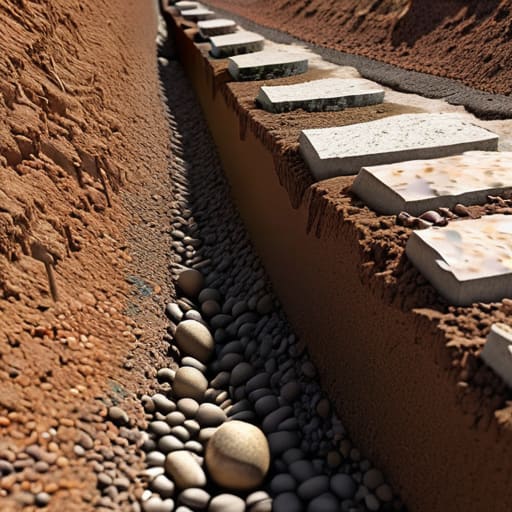
Now, everyone wants to talk about the fancy stuff—the heavy machinery, the massive steel piles, or the expensive retaining wall construction that looks good in a brochure. But if you want to understand real geotechnical engineering slope stability, you have to stop looking at the surface and start looking at what’s happening deep in the dirt. Most lads think they can just pile up some aggregate and call it a day, but they’re ignoring the internal friction and the pore water pressure that’s actually holding that mass together.
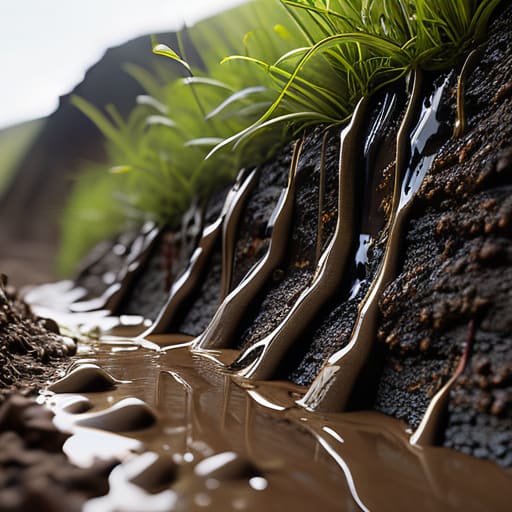
The real secret isn’t a gadget; it’s understanding how the water moves through the strata. You can spend a fortune on fancy structures, but if you haven’t mastered surface water runoff management, you’re just building a very expensive way to watch a landslide happen in slow motion. If the water gets trapped behind your fix, it’ll build up pressure until the whole lot gives way. You need to know your soil types—clay, silt, sand—and how they behave when they get soaked. The ground doesn’t care about your budget; it only cares about physics.
Surface Water Runoff Management the Silent Killer of Embankments Much More
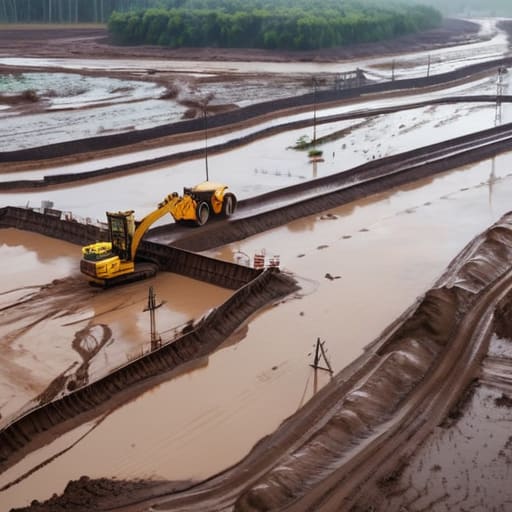
You can talk to me all day about the shear strength of the soil or the angle of repose, but if you haven’t sorted your surface water runoff management, you’re just building a very expensive slide. I’ve seen it a hundred times: a perfectly designed embankment, solid sub-grade, and all the right geotechnical engineering slope stability calculations on paper, only to have a heavy fortnight of rain turn the whole thing into a slurry. Gravity is a constant, but water is a variable that’ll hunt for every weakness you’ve left behind.
If the water doesn’t have a clear, controlled path to follow, it’s going to find its own way through your work. It’ll seep into the layers, build up pore pressure, and eventually, that slope is going to move on you. People think they can just throw up some retaining wall construction and call it a day, but if the drainage behind that wall is rubbish, you’re just building a dam that’s destined to burst. You’ve got to manage the flow before it gets a chance to start eating the ground away.
Five things that actually keep a slope from sliding into the neighbor's garden
- Stop obsessing over the retaining wall and check your sub-grade first. You can build the most expensive concrete barrier in the county, but if you haven’t compacted that soil properly or sorted the layers underneath, the whole thing is just going to ride the landslide down like a passenger on a bus.
- Watch the water, not just the dirt. If you see water pooling or running in concentrated channels down a slope, you’ve already lost the battle. You need to get that water into a proper drainage system or a French drain before it gets behind your structure and turns your solid ground into a soup.
- Don’t let them skip the vegetation. I know, planting stuff looks slow and expensive compared to just dumping a load of hardcore, but those roots are doing the heavy lifting by knitting the topsoil together. A bare slope is just a waiting game for the next heavy rain to wash it all away.
- Get the mix right and keep the water out of it. When you’re pouring any concrete elements for stabilization—be it footings or drainage channels—if the lads on site start adding water to the truck because the mix is “too stiff,” they’re basically sabotaging the strength. A weak pour is just expensive gravel waiting to crack.
- Mind the joints. Whether it’s a concrete channel or a paved section on a gradient, if you don’t plan your expansion and contraction joints correctly, the ground will move and the concrete will follow. If you don’t give it a place to go, it’ll find its own way through a crack in your finish.
The Bottom Line
Look, if you’ve followed me this far, you ought to know by now that stabilizing a slope isn’t about how much concrete you can throw at it or how fancy your retaining wall looks on a blueprint. It’s about the stuff you can’t see once the job is done. If you haven’t respected the geotechnical realities of the soil, if you haven’t accounted for the way water moves through that embankment, and if you haven’t sorted your drainage before the first shovel hits the dirt, then you aren’t building—you’re just delaying the inevitable. You can buy the most expensive shotcrete on the market, but it won’t stop a slope from sliding if the sub-grade is a mess and the water has nowhere to go.
At the end of the day, my advice is simple: stop looking for the quick fix and start looking at the ground. Don’t be the contractor who gets a phone call five years later because a crack appeared in a foundation that was supposed to be “permanent.” Do the hard work on the drainage, get your sub-base right, and respect the physics of the site. When you stop trying to fight nature and start working with the way the earth actually behaves, that’s when you can actually stand behind your work. Do it right the first time, or don’t bother doing it at all.
Frequently Asked Questions
If I've already put in a retaining wall and the slope is still shifting, is it the wall's fault or did I mess up the drainage behind it?
Listen, if that wall is moving, stop looking at the bricks and start looking at what’s behind them. You can build a wall out of solid granite, but if you haven’t given that water a way out, the hydrostatic pressure will push it over every single time. It’s rarely the wall’s fault; it’s almost always because someone forgot the weep holes or the sub-surface drainage is choked with silt. Fix the water, or the wall’s just an expensive pile of rubble.
Can I just use a thicker slab or more concrete to stop a slope from moving, or am I just wasting money on a heavy lid that's going to slide anyway?
You’re not just wasting money; you’re building a disaster. Adding more concrete to a failing slope is like trying to hold a sliding door shut by piling heavy bricks against it—eventually, the whole lot is going to move, and now you’ve just got a much heavier, much more expensive mess sliding down the hill. If the sub-grade is moving or the water is saturating the base, that extra thickness is just a heavy lid waiting to slip.
How do I know if my sub-grade is actually compacted enough to hold a structure, or am I just guessing based on how the ground looks?
If you’re guessing based on how the ground looks, you’ve already lost. I’ve seen plenty of lads walk over a site, see it looks flat and firm, and call it a day. That’s how you end up with a cracked slab six months later. You don’t eyeball compaction; you test it. Get a penetrometer or a pro in with a nuclear density gauge. If you can’t prove the compaction percentage, you’re just gambling with someone’s money.