I remember standing on a job site in the Midlands back in ’94, watching a bloke stare at a hairline crack in a brand-new driveway like it was a crack in the heavens. He’d spent a fortune on the highest grade concrete money could buy, thinking that was his insurance policy. He was dead wrong. He kept looking for a “complete guide to subsidence” in the technical data sheets of the mix, but he never once bothered to look at the shoddy compaction of the sub-base underneath him. You can pour a slab thick enough to bridge the Atlantic, but if you haven’t sorted the dirt first, you’re just building a very expensive way to watch the earth move.
I’m not here to give you a lecture filled with academic jargon or expensive structural engineering theories that don’t mean a thing when the rain starts hitting the ground. I’m going to give you the truth from forty-three years of seeing exactly where things go wrong. This is my own no-nonsense breakdown of what actually causes movement, how to spot the difference between a settling house and a disaster, and how to stop wasting money on the wrong fixes. We’re going to look at the real culprits—the ground, the water, and the prep work—before you spend a penny on the concrete.
Table of Contents
The Invisible War of Soil Shrinkage and Swelling
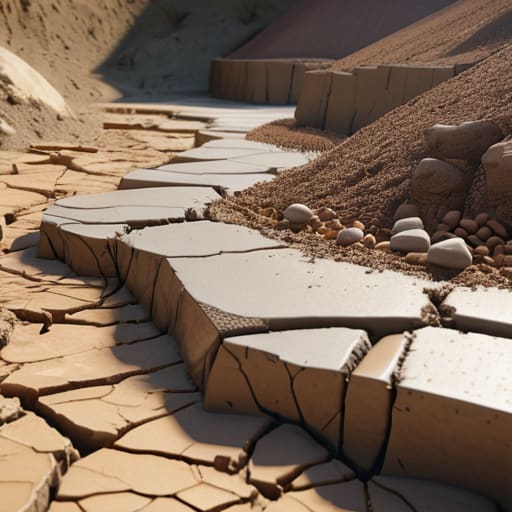
Most people think their house is moving because the concrete is weak, but they’re looking at the wrong end of the problem. If you’re sitting on heavy clay, you’re essentially building on a sponge. When it rains, that clay soaks up water and expands like a bloated loaf of bread; when a dry spell hits, it pulls away from the footings. This constant cycle of soil shrinkage and swelling is what does the real damage. I’ve seen slabs that were poured perfectly level one year, only to be buckled the next because the ground underneath decided to go on a diet.
You can watch for the usual structural damage signs—those diagonal cracks creeping up the brickwork or doors that suddenly won’t latch—but by then, the battle is already lost. The earth has already moved, and your house is just trying to keep up. It’s a slow-motion war between your foundations and the dirt. If you haven’t accounted for clay soil stability before the first shovel hits the ground, you aren’t building a home; you’re just placing a heavy object on a very unpredictable surface.
Spotting the Structural Damage Signs Everyone Ignores
Most people wait until they see a massive, gaping hole in their living room wall before they start worrying. By then, you aren’t just looking at a cosmetic nuisance; you’re looking at a serious case of structural damage signs that have been brewing for months. I’ve seen it a hundred times: a tiny, hairline crack in the plaster that looks like nothing, or a door that suddenly sticks in the frame for no reason. You think it’s just the house “settling,” but if that crack is stepping diagonally across a brickwork course or widening at the top, the house isn’t settling—it’s moving.
Don’t ignore the little things like gaps appearing between your skirting boards and the floor, or windows that suddenly won’t latch properly. If you’re sitting on a patch of heavy clay, you need to keep a sharp eye on how those cracks behave after a dry spell. That’s the clay soil stability issue I’m always on about. If the cracks open up when the ground is parched, you’ve got a movement problem, not a builder problem. If you see the ground pulling away from the edge of your patio or driveway, don’t wait for the insurance man to tell you so—get moving.
Five Things You’ll Learn the Hard Way if You Don't Listen
- Stop looking at the cracks and start looking at the drainage. If you’ve got water pooling near a foundation or a leaking gutter dumping directly onto your sub-base, you aren’t dealing with a concrete problem; you’re dealing with a washout. You can patch a crack all day, but if that ground stays sodden, the movement isn’t stopping.
- Get a proper sub-base or don’t bother pouring at all. I’ve seen lads try to save a few quid by skipping the compacted hardcore or using rubbish fill, thinking the concrete will just bridge the gap. It won’t. If your foundation is sitting on anything less than a well-compacted, engineered layer, you’re just building a very expensive way to watch a slab tilt.
- Watch the trees, not just the soil. People forget that a big oak or a willow isn’t just sitting there looking pretty; it’s a massive pump sucking moisture out of the ground right under your footings. In a dry summer, those roots will shrink the clay so fast your house will move before the leaves even turn brown.
- Don’t let them add water to the truck. I’ve lost count of how many times a driver or a site foreman has added a splash of water to a mix just to make it “work” easier during the pour. It makes the concrete flow like butter, sure, but it ruins the water-to-cement ratio and leaves the slab weak and prone to shrinking. You’re trading a bit of ease today for a disaster in five years.
- Respect the curing time. You can’t rush the chemistry. If you’re out there trying to finish a slab in the midday sun without any protection, or if you’re letting it dry out too fast because you’re in a hurry to get the next trade in, you’re inviting shrinkage cracks. A slab needs to settle into its strength, not be forced into it.
Stop Chasing the Cracks and Start Looking Down
At the end of the day, if you’re staring at a widening gap in your brickwork or a door that won’t shut, don’t go wasting your money on cosmetic fillers or fancy resins. You can patch a crack until you’re blue in the face, but if you haven’t addressed the root cause—whether that’s clay shrinkage, poor drainage, or a sub-base that was never compacted to spec—you’re just painting over a disaster. Subsidence isn’t a surface problem; it’s a battle happening deep in the dirt where nobody bothers to look. You have to understand the soil, respect the moisture levels, and get the ground right before you even think about talking to a structural engineer.
Building something that lasts isn’t about the flashy finishes or the expensive concrete mixes you see in the brochures. It’s about the quiet, unglamorous work done in the trenches long before the first truck arrives on site. If you take the time to respect the foundation and listen to what the ground is telling you, you won’t be calling me in five years to complain about a shifting slab. Do it right the first time, build on solid ground, and you’ll sleep a whole lot better knowing your home isn’t playing a game of musical chairs with the earth beneath it.
Frequently Asked Questions
Is that crack in my driveway just a surface issue, or is the ground actually moving underneath it?
Look, I can’t tell you just by looking at a photo, but here’s how you tell the difference. If it’s a hairline crack that stays the same size, you’re probably looking at a bit of shrinkage from when the mix dried too fast. But if that crack is getting wider, or if one side of it is higher than the other, stop worrying about the concrete. That’s the ground moving. That’s subsidence.
How much of this is down to the clay in my garden versus someone just not compacting the sub-base properly?
It’s usually a bit of both, but I’d bet my last pound on the sub-base first. Clay is a nightmare—it breathes, it expands, and it shrinks—but if you’ve built a proper, compacted foundation, the slab can handle a bit of movement. If you see cracks appearing early, it’s usually because someone got lazy with the compaction or used too much organic matter in the fill. You can’t fight clay with bad prep.
If I see movement now, can I fix the foundations, or am I just wasting my money patching up a sinking ship?
Look, if you’re seeing cracks in the brickwork and the doorframes are sticking, you’re already mid-battle. Can you fix it? Sometimes. If it’s just a bit of seasonal movement, a bit of underpinning or resin injection might steady the ship. But if the sub-base is a washed-out mess of clay and water, you’re just painting a sinking ship. Don’t throw good money after bad until you know exactly why the ground is moving.