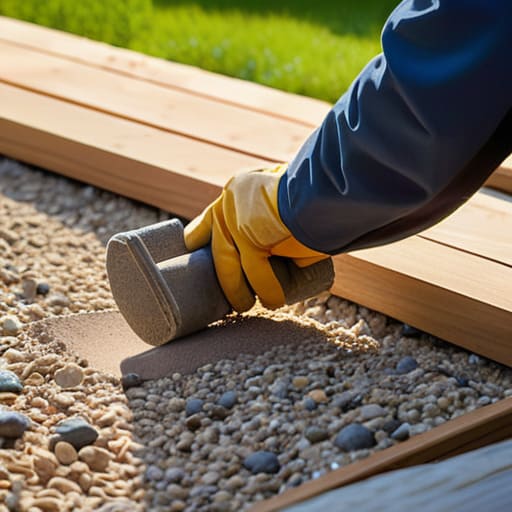
I spent thirty minutes yesterday watching a lad lay down some fancy, expensive resin-bound gravel, and all I could think about was the thin, patchy layer of Type 1 sub-base he’d spread underneath it. People spend a fortune obsessing over the surface finish, thinking that picking the best materials for residential driveways is all about the colour or the texture you see in a brochure. It’s a joke. You can pour the most expensive, high-spec material on this earth, but if your ground prep is rubbish, that driveway is going to sink, tilt, or crack before you’ve even parked your car on it.
I’m not here to sell you on the latest architectural trends or whatever shiny nonsense is currently trending on Instagram. I’ve spent forty-three years with a shovel in my hand and concrete under my fingernails, and I’ve seen more “premium” driveways fail than I care to count. In this guide, I’m going to tell you the truth about what actually lasts. We’ll look at the real pros and cons of different surfaces, but more importantly, I’m going to teach you how to spot a job done right before the first penny leaves your pocket.
The Brutal Durability of Concrete vs Asphalt
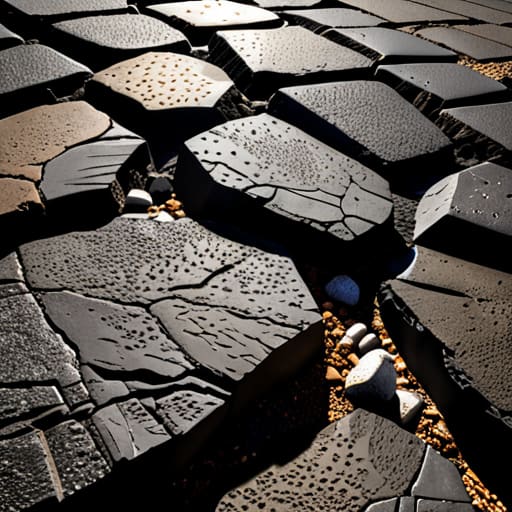
Now, everyone wants to talk about how the driveway looks on day one, but I want to talk about how it looks in year ten. When people ask me about the durability of concrete vs asphalt, they’re usually looking at the price tag, but they forget about the physics. Asphalt is a flexible pavement; it’s essentially a thick, black glue holding stones together. It’s fine for a bit, but it’s got a memory. It reacts to the sun, it softens in a heatwave, and eventually, it starts to rut where the heavy wheels track. It’s a surface that’s constantly fighting to stay put.
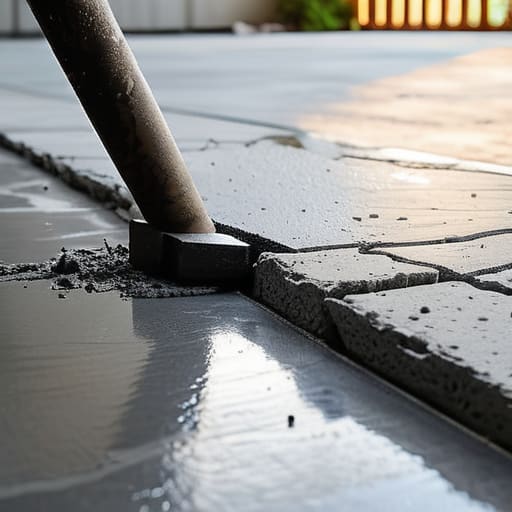
Concrete is a different animal entirely. It’s rigid. Once you’ve got a properly reinforced slab sitting on a compacted sub-base that hasn’t been skimped on, it isn’t going anywhere. It doesn’t “flow” or soften. If you’re looking for low maintenance driveway options, concrete is the winner, provided you didn’t let some lad add a hoseful of water to the mix just to make it easier to spread. Asphalt will need a seal and a top-up every few years; a well-poured slab just needs a good wash and the respect it deserves.
Gravel Driveway Pros and Cons You Cant Ignore
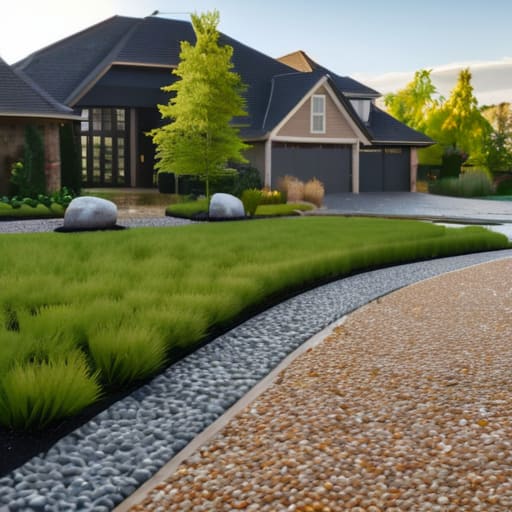
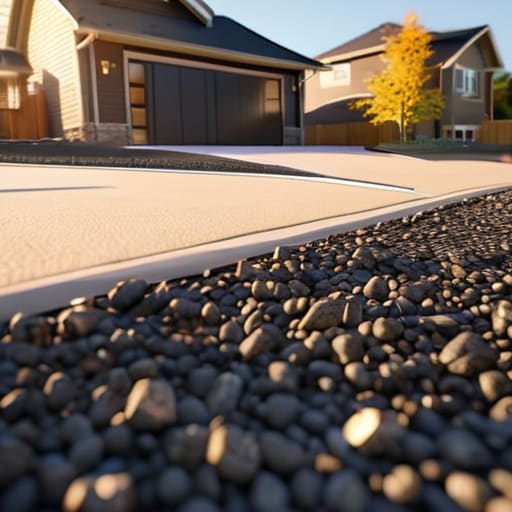
Now, if you’re looking to save a bit of coin, you’ll likely start eyeing up gravel. It’s the classic choice for anyone running a driveway installation cost comparison and finding the big-ticket items like concrete a bit too steep. On paper, it’s a dream: it’s cheap, it drains well, and it’s one of those permeable driveway surfaces that won’t turn your garden into a lake when the heavens open. But don’t let the low price tag fool you into thinking it’s “set and forget.”
The reality is that gravel is a constant battle against physics. Without a proper, heavy-duty sub-base and some decent edging to keep the stones from migrating into your flowerbeds, you’ll spend more time raking and topping it up than you would have spent just doing the job right the first time. It’s often lumped in with low maintenance driveway options, but if you don’t manage the compaction, you’ll end up with ruts deep enough to swallow a wheel. It’s a fine material, provided you aren’t too lazy to maintain the foundation underneath it.
Five Things They Won't Tell You Until the Cracks Appear
- Stop obsessing over the top layer and start digging. I don’t care if you’re planning on expensive resin or heavy-duty paving; if your sub-base isn’t compacted to the right density, you’re just laying a very expensive carpet over a sponge.
- Watch the weather like a hawk. If you’re pouring concrete and the sun is beating down or the wind is howling, you’re asking for trouble. You either cure it right with covers and moisture, or you’ll be looking at surface crazing before the week is out.
- Beware the “water trick.” I’ve seen more jobs ruined by a lad adding a bucket of water to the mixer to make it “easier to spread” than by any actual fault in the batch. You mess with the water-to-cement ratio, you mess with the strength. Period.
- Plan your joints before the first shovel hits the dirt. Whether it’s expansion joints in concrete or the way you lay your pavers, if you don’t give the material a place to move when the ground shifts or the temperature changes, it’ll find its own way out through a crack.
- Don’t go cheap on the hardcore. People try to save a few quid by using whatever rubble is lying around, but if that sub-base isn’t consistent and well-graded, your “best material” will be nothing more than a wavy mess in eighteen months.
The Final Word Before You Pour
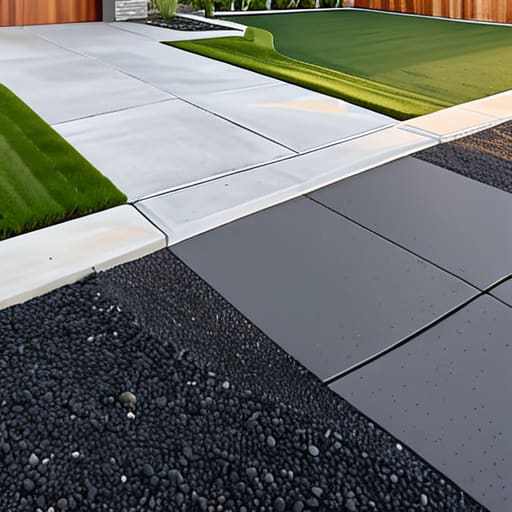
Look, choosing between concrete, asphalt, or gravel isn’t just about picking a colour from a brochure or seeing what looks decent in a neighbour’s driveway. If you want concrete, you’re paying for longevity, but you’d better ensure the contractor isn’t cutting corners on the mix or the reinforcement. Asphalt is a solid, flexible middle ground, provided you don’t mind the maintenance. And gravel? It’s cheap and easy, but if you don’t have a proper, compacted sub-base underneath, you’ll be chasing stones into your flowerbeds for the next decade. At the end of the day, every single one of these materials will perform exactly how you treated the ground before the first load arrived.
My advice is simple: stop looking at the surface and start looking at the preparation. You can buy the most expensive, high-spec material on the market, but if the sub-base is soft or the drainage is an afterthought, you are essentially throwing your money into a hole in the ground. Don’t be the person who calls me in three years because their “premium” driveway has turned into a spiderweb of cracks. Do the prep work right, respect the weather, and build it to last, not just to look good for the handover. If you get the foundation right, the rest is just window dressing.
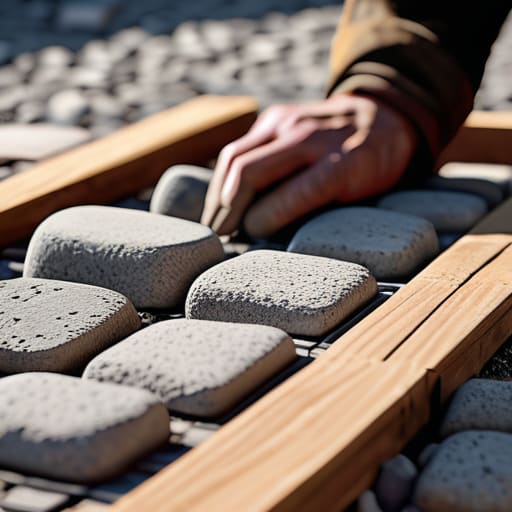
Now, if you’re leaning towards something more decorative like block paving or natural stone, you’ve got to be even more careful about your compaction layers, because once those stones are set, they aren’t moving. I’ve seen plenty of lads try to save a few quid by skimping on the sand or the bedding mortar, only to be back in six months fixing a driveway that’s shifted like a sandcastle at low tide. If you’re looking for some proper guidance on how to source the right materials or get your specifications straight before you start digging, I’d suggest having a look at ts ladies oldenburg; they’ve got some decent insights that’ll help you avoid making the expensive mistakes I spent forty years fixing for other people. Getting the right technical details sorted now is the only way you won’t be cursing your luck when the first heavy frost hits.