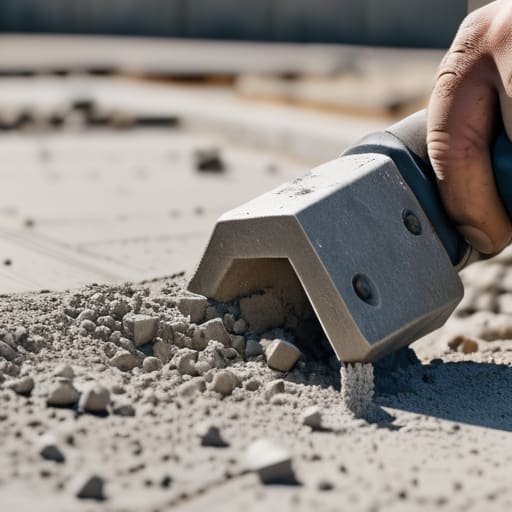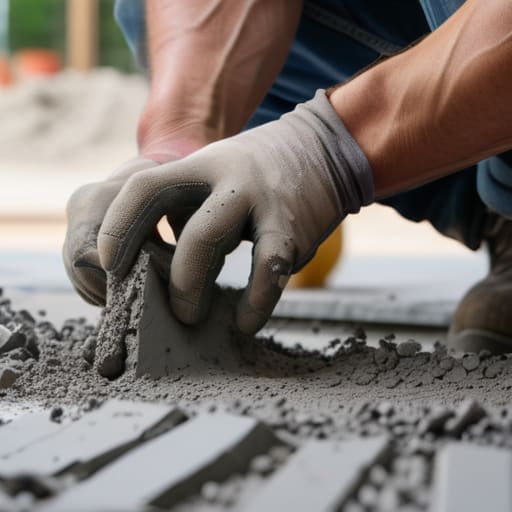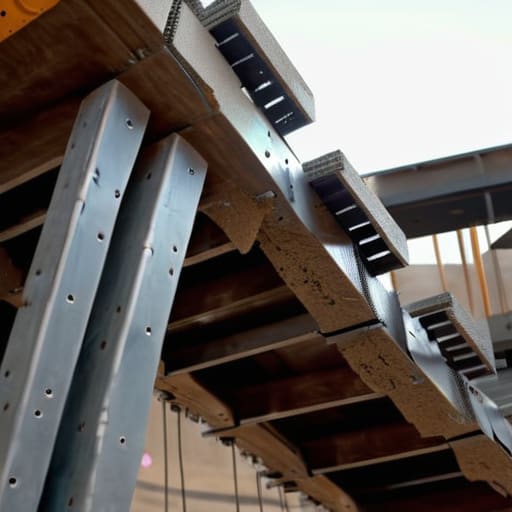
I remember standing on a site in ’94, watching a lad try to hold a line with nothing but some flimsy timber and a prayer while the mixer was already backing up to the curb. The concrete was heavy, the pressure was mounting, and within ten minutes, his “setup” gave way like a wet cardboard box, spilling grey sludge all over a perfectly good sub-base. Most people think how formwork should be built is all about following a fancy blueprint or buying the most expensive proprietary systems, but they’ve got it backwards. It’s not about the gear; it’s about the bracing and the physics of what happens when that wet weight actually hits the wood.
I’m not here to sell you on expensive gadgets or give you a lecture from a textbook. I’m going to tell you how it’s done when you’re standing in the mud, looking at a deadline, and you can’t afford a blowout. I’ll show you exactly how to brace, how to secure, and how to ensure your forms stay dead straight under pressure. We’re going to skip the fluff and focus on the structural reality of the job, because if your forms aren’t right, the rest of the pour is just a waste of money.
Table of Contents
Mastering Precision in Concrete Molding Before the Trucks Arrive
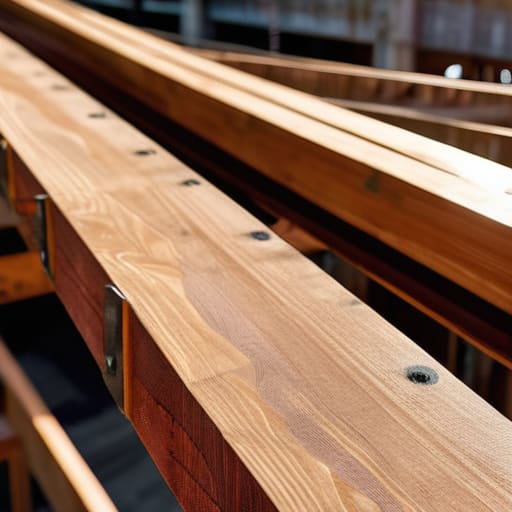
You can have the most expensive mix from the plant, but if your timber is bowing under the weight, you’re just pouring money into a mistake. I’ve seen it a thousand times: a lad thinks he’s done a decent job with the stakes, but the second that heavy wet mass hits the bottom of the shuttering, the whole lot starts to lean. You cannot compromise on formwork stability and bracing. If those forms aren’t tied down and braced to handle the lateral pressure of a live pour, they will blow. I don’t care how many nails you’ve driven in; if it isn’t braced for the actual weight, it’s a disaster waiting to happen.
Then there’s the matter of the finish. If you want a clean face, you need to be disciplined with your formwork release agent application. Don’t just slap it on like you’re painting a fence; it needs to be even, or you’ll be spending your evening hacking stuck concrete off the timber. Achieving true precision in concrete molding comes down to checking your levels and your plumb lines three times before that first truck even pulls into the yard. Once the concrete starts moving, the clock is ticking, and you won’t get a second chance to fix a crooked edge.
Achieving Structural Integrity of Formwork Under Extreme Pressure
Listen, I’ve seen more forms blow out than I care to remember, and it’s never because the mix was too heavy. It’s because someone thought they could skimp on the bracing. When that wet weight starts hitting the timber, it doesn’t just push; it surges. If your formwork stability and bracing aren’t locked down with proper diagonal struts and heavy-duty walers, that lateral pressure will find the weakest point in seconds. You aren’t just building a box; you’re building a dam to hold back several tons of liquid stone. If it isn’t rigid, it’s a disaster waiting to happen.
You also need to stop treating the internal face like an afterthought. I’ve seen lads rush the job, skipping the formwork release agent application just to get the pour started. That’s a rookie mistake that’ll cost you double when you try to strip the forms and take half the finish with them. You want a clean edge, not a ragged mess that looks like it was chewed by a dog. Proper preventing formwork failure starts with making sure the structure can handle the surge and that the surfaces are prepped to let go cleanly once the job is done.
Five Things That’ll Save Your Pour (And Your Reputation)
- Check your sub-base before you even look at a timber. If you’re building forms on soft, uncompacted ground, that pressure from the wet mix is going to push your forms outward or sink them unevenly. A perfect form on a rubbish sub-base is just a recipe for a sloping slab.
- Brace for the real weight, not the theoretical weight. I’ve seen too many lads use thin stakes that look fine when the form is empty, but the second a heavy mix hits it, the whole line bows. If your bracing isn’t stiff enough to fight the lateral pressure of a live pour, you’re just building a curved mess.
- Stop adding water to the mix just to make it “slump” easier. I know, it makes the concrete flow like butter and easier to level, but you’re killing the strength before it even sets. If the mix is too stiff for your forms, fix your forms or change your method—don’t ruin the chemistry.
- Seal your joints and edges properly. If you’ve got gaps in your formwork, you’re going to lose your cement paste. Once that paste leaks out, you’re left with nothing but aggregate and honeycombing at the edges. A leak in the form is a permanent defect in the concrete.
- Get your release agent on early and even. Don’t wait until the truck is idling at the gate to start greasing your boards. If the concrete sticks to the form because you were too slow or too stingy with the oil, you’ll tear the face off your finish when you go to strip it, and you won’t be able to hide it.
The Final Check Before the Mix Hits the Ground
At the end of the day, building formwork isn’t about following a diagram in a textbook; it’s about anticipating the chaos of a live pour. You’ve checked your sub-base, you’ve braced your forms to withstand the lateral pressure, and you’ve ensured your release agents are applied properly. If you haven’t accounted for the weight of the wet mix or the stability of your stakes, you aren’t building a structure—you’re building a ticking time bomb. Remember, once that concrete starts flowing, you lose your ability to fix the easy mistakes. You have to get the setup right the first time, because you can’t un-pour a blowout once the truck starts emptying.
I’ve spent forty-three years watching men try to cut corners on the preparation, only to spend the next forty-three watching those same corners crack and fail. It’s easy to get impatient when the crew is waiting and the sun is beating down, but the quality of your work is decided in those quiet, methodical moments before the first shovel hits the mix. Take the extra ten minutes to tighten a bolt or double-check a brace. It might feel like overkill to the lads, but true craftsmanship is found in the things nobody sees once the job is finished. Do it right, do it once, and you won’t be the one getting the phone call about a cracked slab three years down the line.
Frequently Asked Questions
How do I know if my sub-base is actually compacted enough to stop the forms from shifting when the weight hits?
You don’t “know” by looking at it; you know by testing it. If you just eye it, you’re gambling. Get a penetrometer or a simple probe. If you can push a steel rod into that sub-base with your thumb, you’ve already lost. You want resistance. If it’s soft, your compaction is a joke, and that weight from the wet mix will push your forms right out of alignment. Fix the base, or don’t bother pouring.
What’s the best way to brace my forms so they don't blow out when the pump starts pushing the mix in?
Listen, if you’re waiting until the pump is humming to check your bracing, you’ve already lost. You don’t just nail a few stakes in the dirt and hope for the best. You need heavy-duty walers running horizontally against your forms, and those stakes need to be driven deep into something solid, not just loose soil. Double up your bracing at the bottom where the hydrostatic pressure is highest. If those forms aren’t rigid, the mix will find the weak spot every single time.
How do I stop the concrete from sticking to the forms and pulling the edges up when I go to strip them?
Listen, if you’re pulling edges up, you’re fighting the concrete instead of letting it set. You’ve either neglected your release agent or you’re being too impatient with the cure. I always tell my lads: don’t just spray some cheap oil and call it a day. Use a proper, dedicated form release, and make sure it’s spread even—no splotches. And for heaven’s sake, don’t strip those forms early just to get home for tea.