I remember standing on a site in ’94, watching a young lad try to brace a shuttering frame with nothing but a few dodgy timber struts and a bit of hope. The sky was turning that bruised purple colour that means rain is coming, and I knew right then that his “setup” wasn’t worth the sawdust it was made from. People come to me looking for some academic, textbook-heavy complete guide to temporary works, thinking they need a mountain of paperwork and expensive consultants to stay safe. But let me tell you something: all those glossy manuals won’t save you if your bracing is crooked or your ground hasn’t been checked for stability. Most of the time, the “temporary” stuff is what causes the permanent disasters.
I’m not here to sell you on fancy software or complicated engineering jargon that doesn’t mean a thing when the wind starts picking up. What I’m going to give you is a proper, boots-on-the-ground look at how you actually manage your supports, formwork, and propping without losing your shirt or your life. I’ll show you the real-world sequence of getting things right before the first drop of wet mix ever hits the ground.
Table of Contents
The Design Process Why Structural Stability Starts Before the Pour
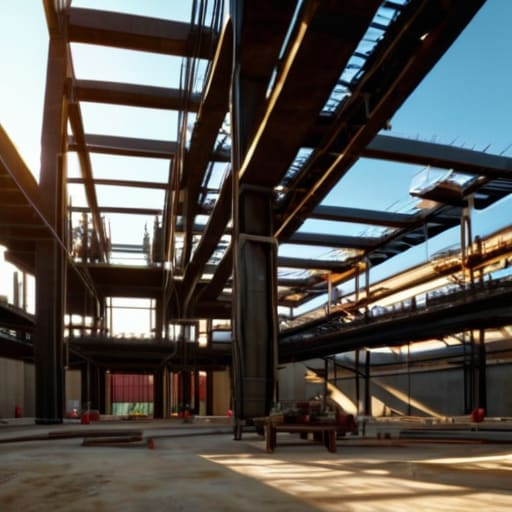
Look, I’ve seen enough formwork blow out mid-pour to know that you don’t just “wing it” with the layout. People think the design is just about making sure the timber holds the weight, but they’ve got it backwards. The temporary works design process isn’t just a box-ticking exercise for the office boys; it’s about predicting exactly how that wet, heavy mass of concrete is going to push against your supports. If you haven’t accounted for the hydrostatic pressure or the way the ground might shift under a heavy scaffold, you aren’t building—you’re gambling.
You can have the best mix in the world, but if your design doesn’t respect the physics of the load, you’re going to have a disaster on your hands. This is where the structural stability in construction actually begins. It starts with a plan that considers the sequence of the pour and the strength of your bracing. If the design is flawed on paper, no amount of extra timber on-site is going to save you when the slump hits the bottom of the shuttering.
Formwork and Scaffolding Safety the Skeleton That Holds the Weight
Now, let’s talk about the skeleton. You can have the highest grade of concrete in the world, but if your formwork is wonky or your scaffolding is sitting on soft ground, you’re just building a very expensive pile of rubble. I’ve seen it happen more times than I care to count: a crew gets overconfident, skips the fine-tuning of the shutters, and then the weight of the wet mix starts pushing the timber out like it’s made of cardboard. Formwork and scaffolding safety isn’t just about wearing a hard hat; it’s about ensuring that the structure holding the load is as solid as the slab you’re trying to pour.
If you aren’t using rigorous site inspection checklists every single morning, you’re playing a dangerous game. You need to be looking at every brace, every tie, and every base plate. It doesn’t matter how much the paperwork says it’s fine—if that scaffolding feels a bit “springy” under your boots, it’s not ready for a heavy pour. You need to respect the physics of the load; once that truck starts discharging, there is no stopping the pressure, and if the skeleton fails, it fails fast.
Five Things That’ll Sink Your Pour (And Your Reputation)
- Check your ground before you check your timber. I don’t care how fancy your formwork is; if you’re setting up your props on soft, uncompacted muck or a bit of loose topsoil, you’re just waiting for the whole lot to sink or tilt the moment the weight hits. If the sub-base isn’t solid, your temporary works are just expensive decorations.
- Watch the weather like a hawk, not a suggestion. A bit of wind might not bother you, but a sudden downpour or a frost can turn a stable setup into a disaster. If you’re setting up temporary works for a pour and the clouds are looking heavy, you better have a plan to cover that site or you’ll be cleaning up a mess instead of finishing a slab.
- Stop treating your bracing like an afterthought. I’ve seen too many lads set up the main structure and then think they can skip the diagonal bracing because they’re “in a rush.” You’re not in a rush; you’re being reckless. Without proper bracing, your temporary works have no lateral strength, and once that wet concrete starts pushing sideways, it’ll fold like a deckchair.
- Don’t let the lads add water to the mix just to make it “slump” better. It’s the oldest trick in the book to make the pour easier, but it ruins the strength and can actually mess with how the concrete sits against your forms. If the mix is too stiff, fix the delivery or the way you’re placing it, but don’t ruin the chemistry just to save ten minutes of elbow grease.
- Inspect everything once more right before the truck arrives. Things shift. A prop gets bumped, a bolt gets loosened, or the ground settles a fraction. If you wait until the concrete is halfway in the shuttering to realize a support is dodgy, you’ve already lost. The hour before the pour is when the real work happens.
The Bottom Line Before the Truck Arrives
Look, if you’ve followed what I’ve said here, you know that temporary works aren’t just some box-ticking exercise for the site manager to finish before lunch. It’s about the design, the stability of your formwork, and making sure that scaffolding isn’t just standing there, but actually doing the job it was built for. You can buy the most expensive, high-spec concrete mix in the country, but if your shuttering gives way or your propping settles because you didn’t check the ground first, you’re just pouring money into a disaster. Don’t let the pressure of a ticking clock make you overlook the structural integrity of your setup; once that wet weight starts hitting the forms, there is no turning back.
At the end of the day, my job—and yours—is to make sure that when the dust settles and the curing is done, the work stands on its own two feet. I’ve seen too many young lads try to rush the prep work to get to the “real” job of pouring, but the real job is the preparation. If you respect the physics of the load and the reality of the site conditions, you’ll sleep better at night knowing your slab isn’t going to crack or collapse. Do it right, respect the sequence, and remember that the hour before the pour is what separates a professional from a cowboy.
Frequently Asked Questions
If my sub-base is compacted and level, do I still need to worry about the temporary bracing on my formwork?
Listen, a good sub-base is half the battle, but it isn’t the whole fight. You’ve got the ground sorted, which is a start, but once that wet concrete starts hitting your forms, it’s not just weight you’re fighting—it’s lateral pressure. That liquid mass wants to push those boards outward like a bursting dam. If your bracing isn’t locked down tight, that level sub-base won’t save you from a blowout. Don’t get complacent.
How do I know if my scaffolding is actually rated for the weight of a heavy concrete pour, or if the lad who set it up just winged it?
Look, if you’re guessing, you’ve already lost. You don’t “feel” if scaffolding is right; you check the load ratings on the manufacturer’s spec sheet and match it against your calculated wet weight. Concrete is deceptively heavy—it’s not just the mix, it’s the surge of the pour. If the lad didn’t provide a design drawing showing the bracing and the base plates, he’s winging it. And if he’s winging it, get him off my site.
When the weather turns and we get a heavy downpour right before the pour, do I need to scrap the temporary works setup entirely?
Scrap the whole setup? Not necessarily. But you stop everything. If that rain is washing out your sub-base or turning your compacted MOT Type 1 into a soup, you don’t pour. Period. A heavy downpour can compromise your ground stability and mess with your formwork alignment. I’ve seen lads try to push through, only to end up with a slab that settles unevenly because the ground softened underneath. Check your levels, check your base, and wait.