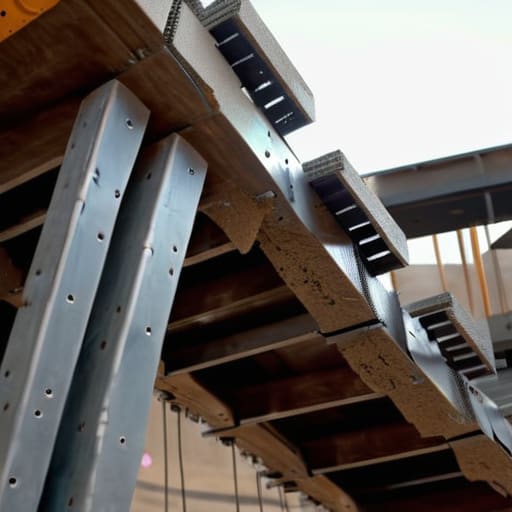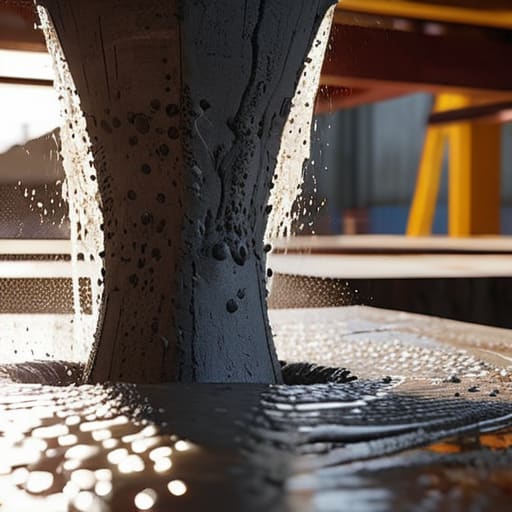
I remember standing on a site in ’94, watching a young lad try to explain to a site manager why a set of timber forms had just buckled under a fresh pour. He was clutching a clipboard, babbling about theoretical load distributions and complex coefficients, as if the math alone would stop the concrete from pushing through the gaps. The truth is, most of the textbooks will tell you how formwork pressure is calculated using formulas that assume the world is a perfect, static place. But the world isn’t static; it’s a hot, vibrating, messy construction site where a pump starts hitting too hard or a mix is a bit too wet, and suddenly your neat little equations don’t mean a damn thing.
I’m not here to give you a lecture from a university hall. I’m going to show you how to bridge the gap between those dry calculations and the actual force that tries to blow your forms apart the moment the shutter is full. We’re going to look at the real variables—the rate of rise, the temperature, and the mistakes that turn a simple pour into a disaster. I’ll give you the straight talk on how to ensure your math actually holds up when the wet weight starts moving.
Table of Contents
Hydrostatic Pressure in Formwork the Invisible Force Youre Ignoring

You can look at a set of blueprints all day, but the math doesn’t mean a thing if you don’t respect the weight of what’s actually in the shuttering. When that wet mix hits the forms, it isn’t acting like a solid; it’s acting like a liquid. We call it hydrostatic pressure in formwork, and it’s the silent killer of a good pour. If you treat a deep pour like a shallow one, you’re asking for a blowout. The pressure at the bottom of a tall form isn’t just a suggestion—it’s a relentless, outward push that grows heavier with every inch you add.
The real danger lies in your rate of rise calculation. I’ve seen lads pour too fast because they wanted to get home for tea, not realizing that the faster that level climbs, the more the pressure builds before the bottom can even begin to set. You aren’t just fighting gravity; you’re fighting the fresh concrete density pushing against every single tie and brace. If you ignore how that liquid weight shifts as the pile grows, those forms aren’t just going to leak—they’re going to burst.
Fresh Concrete Density Why the Weight Always Lies to You
Now, listen. You can look at a spec sheet all day, but fresh concrete density isn’t a static number you just plug into a calculator and forget about. When that mix is still wet, it’s behaving more like a heavy, thick liquid than a solid. It’s got weight, it’s got momentum, and it’s got a nasty habit of pushing harder than you expect. If you’re treating it like a pile of stones, you’re asking for a blowout.
The real trouble starts when you factor in the rate of rise calculation. If your lads are dumping loads in faster than the concrete can settle or the forms can take the strain, that pressure isn’t just sitting there—it’s building. A fast pour increases the lateral load significantly because the material hasn’t had a chance to find its level. You might think your math is sound, but if you haven’t accounted for the concrete pouring speed impact, you’re essentially gambling with the integrity of your forms. I’ve seen plenty of lads get caught out because they thought they could rush the job to beat the rain, only to find their forms bulging like a balloon halfway through the lift.
Five Things the Math Won't Tell You About Formwork Pressure
- Watch the rate of rise, not just the depth. You can calculate the pressure for a static load all day, but if your lads are dumping a high-slump mix into the forms faster than it can settle, that pressure spike will hit the timber before your math even has a chance to catch up.
- Stop treating every pour like it’s a calm Sunday. If you’re pouring in the wind or on a slope, you’re adding lateral force that your standard formulas usually ignore—and that’s exactly when the forms start to bow.
- Temperature isn’t just about whether you’re wearing a coat; it changes how the mix behaves. A hot pour sets faster, sure, but a cold pour stays liquid longer, meaning that hydrostatic pressure sits against your forms for hours instead of minutes.
- Check your bracing twice because the math assumes everything is perfectly rigid. In the real world, if your ties are even slightly loose or your timber is warped, the pressure won’t be distributed evenly—it’ll find the weakest point and blow it out.
- Don’t trust the mix design blindly. If the plant sends you something wetter than what was on the sheet just to make it easier to pump, you’ve just increased the pressure on your forms without changing a single number in your calculations.
Don't Let the Math Leave You Stranded
At the end of the day, calculating formwork pressure isn’t just about plugging numbers into a spreadsheet and calling it a day. You’ve got to account for the hydrostatic surge that hits when the mix is fresh, the actual density of what’s coming off the truck, and the way the temperature is going to play with your setting times. If you ignore how that liquid weight behaves before it turns to stone, you aren’t just risking a mess; you’re risking a total structural blowout. You can have the best engineer in the city, but if he hasn’t accounted for the real-world physics of a heavy pour, those forms are nothing more than expensive kindling waiting to happen.
I’ve stood on enough sites to see what happens when someone thinks they can “eye-ball” the pressure or skip the heavy-duty bracing to save a few quid. It never ends well. My advice? Respect the weight of the wet stuff. Do the math, check your ties, and for heaven’s sake, trust the physics more than you trust the schedule. A successful pour isn’t just about getting the concrete in the ground; it’s about the peace of mind you have when you walk away from the site knowing that what’s underneath is solid and what’s holding it up isn’t going anywhere.
Frequently Asked Questions
If I’m pouring on a Friday afternoon when the lads are rushing to get home, how do I know if the rate of rise is actually pushing the forms harder than my calculations say?
Look, if the lads are rushing, they aren’t watching the clock—they’re watching the exit. When you’re dumping load after load to finish early, you’re effectively turning a controlled pour into a tidal wave. You can’t just rely on your paper math then. If you see the concrete level rising faster than the material can settle or bleed, that’s your warning. If it’s stacking up like a mountain instead of leveling out, your forms are under much more stress than your calculations ever predicted.
Does the temperature of the mix change how much pressure I need to account for, or is that just something people talk about to sound clever?
It’s not just talk to sound clever; it’s the difference between a clean pour and a blowout. If you’re pouring a hot mix in July, that concrete is going to set slower and stay fluid longer. That extra time means the pressure keeps pushing against those forms well after you think it’s settled. If you calculate for a cold day but pour in the heat, you’re asking for a disaster.
When am I actually looking at the math—is it based on the weight of the wet concrete, or do I need to be calculating for the vibration too?
You’re looking at both, but the vibration is what’ll actually blow your forms. If you only calculate for the static weight of the wet mix, you’re dreaming. The moment that poker goes in to settle the aggregate, you’ve turned that concrete into a liquid. It’s like turning a pile of sand into a slurry; the pressure spikes instantly. You calculate for the weight, but you design for the surge caused by the vibration.