I remember a Tuesday back in ’94, standing on a site in the pouring rain, watching a young lad try to signal a digger operator while standing right in the swing radius of the bucket. The air smelled of diesel and wet clay, and the only thing louder than the engine was the heart-stopping thud of that bucket hitting the ground inches from his boots. People talk about safety like it’s some thick manual you read in an office, but if you think a piece of paper is going to teach you how to work safely around plant, you’ve already lost the battle. Real safety isn’t about ticking boxes; it’s about the split-second awareness of where that machine is moving before it even starts to budge.
I’m not here to give you a lecture on corporate policy or some watered-down seminar. I’ve spent forty-three years on site, and I’ve seen enough near-misses to know that the most dangerous thing on a job is complacency. I’m going to tell you exactly how to keep your skin intact by watching the blind spots, respecting the ground stability, and understanding the operator’s mindset. We’re going to skip the fluff and focus on the practical reality of staying alive when the heavy iron starts moving.
Table of Contents
Mapping the Invisible Mastering Heavy Machinery Blind Spots
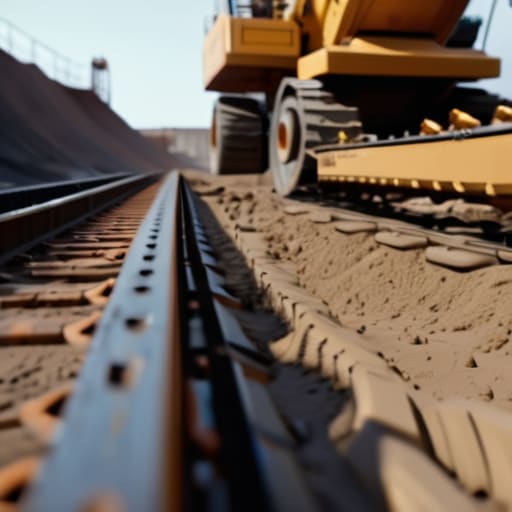
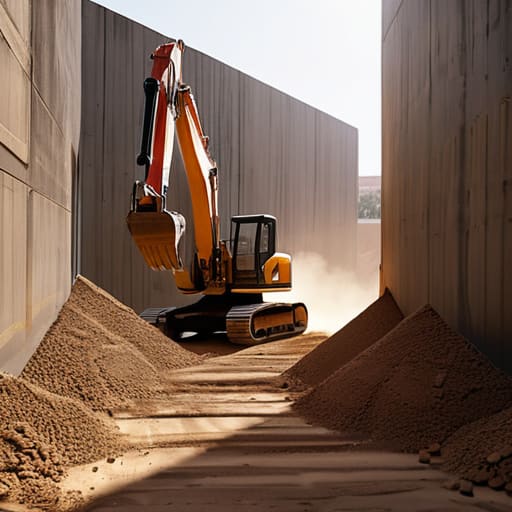
You can have the best machine on the site, but if you aren’t watching the blind spots and the ground stability before you start, you’re just asking for a disaster. I’ve seen it a dozen times: a lad thinks he’s clear because he can see the cab, but he doesn’t realise he’s sitting right in the operator’s dead zone. These heavy machinery blind spots aren’t just little gaps; they are massive, sweeping arcs of nothingness where a man can simply vanish. If you’re walking behind a tracked excavator, you aren’t just “near” a machine—you are practically invisible.
The real trouble starts when the pedestrian-plant interface breaks down because people get too comfortable. You think you know the operator, so you walk up to chat while he’s mid-swing. That’s how mistakes happen. You need to establish a rule: never assume they see you. Before you even step into the work zone, you make sure there is clear plant operator communication, usually a thumbs-up or a nod, and you wait for the bucket to hit the deck. If the machine is moving, you stay back. Period.
Why Site Safety Protocols Are More Than Just Paperwork
I’ve seen plenty of lads treat the site folder like a piece of scrap paper meant for starting a fire. They think if they’ve got their boots on and their hi-vis zipped up, they’re sorted. That’s nonsense. Site safety protocols aren’t there to satisfy some inspector in a clean car; they are there because a three-ton excavator doesn’t care if you’re having a good day or a bad one. When you treat the rules like a nuisance, you’re essentially deciding that your convenience is worth more than your limbs.
The real issue is the pedestrian-plant interface. It’s that messy, dangerous space where a man on foot meets a machine that can’t see him. You can have the best plant operator communication in the world—shouting, hand signals, the lot—but if you haven’t established a hard rule about where a person stands, someone is going to end up under a track. I’ve seen men walk right into a swing zone because they thought they knew the operator, only to find out that no amount of eye contact can stop a machine once it’s moving.
The Five Rules for Staying Whole When the Big Iron Starts Moving
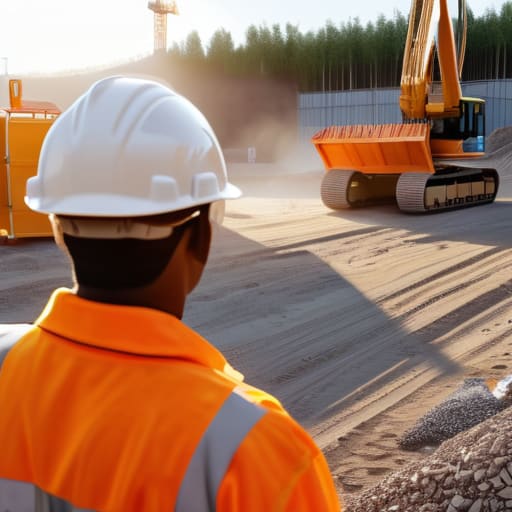
- Respect the exclusion zone, even if it feels like a waste of time. I’ve seen lads walk right into a machine’s workspace because they thought they were “just popping in” for a second. Once that engine is running and the hydraulics are live, you aren’t a person to that operator—you’re a ghost they can’t see. If there’s a barrier or a line drawn, stay behind it.
- Never assume the operator knows you’re there. It doesn’t matter if you’re standing five feet away or looking him dead in the eye; if he hasn’t acknowledged you, you’re in the danger zone. Wait for the eye contact, wait for the thumbs up, and wait for the machine to come to a complete standstill before you even think about stepping near it.
- Watch the ground, not just the bucket. You can be the most careful man on site, but if the sub-base is soft or the edge isn’t stabilized, that machine is going to tip. I’ve seen stabilizers and small excavators go over because someone thought the ground was “good enough.” If the ground looks dodgy, the machine shouldn’t be on it.
- Keep your ears open and your eyes up. This isn’t the time to be wearing headphones or chatting away about the weekend. You need to hear the change in the engine’s pitch when it’s under load and the sound of the alarm when it’s reversing. If you can’t hear the site, you aren’t working on it—you’re just waiting for a mistake.
- Stop the “quick fix” mentality. I’ve spent forty years watching people try to shave five minutes off a job by stepping into a swing radius to grab a tool or adjust a formwork. That five minutes isn’t worth a crushed limb. If you need to get closer, you stop the machine, you kill the engine, and then you move. There are no shortcuts when it comes to heavy plant.
The Final Word Before the Engine Starts
At the end of the day, working around plant isn’t about memorizing a handbook or ticking boxes for some inspector to look at later. It’s about the reality of the site: knowing that a machine doesn’t care if you’re standing in its blind spot, and a driver can’t see what’s behind his seat no matter how many mirrors he’s got. We’ve talked about mapping those invisible zones and why those safety protocols are your only real defense when things get busy. If you haven’t checked your surroundings and established a clear line of sight before that first bucket hits the ground, you aren’t working—you’re just waiting for a mistake to happen.
I’ve seen enough sites to know that the most dangerous person on a job isn’t the lad who doesn’t know what he’s doing; it’s the veteran who thinks he’s seen it all and starts taking the easy way out. Don’t be that man. Treat every piece of heavy machinery with the respect it deserves, because once that steel starts moving, there is no second chance to fix a bad decision. Do it right, do it by the book, and make sure everyone goes home in one piece at the end of the shift. That’s the only way to finish a job properly.
Frequently Asked Questions
How do I know if the ground is actually stable enough to support a heavy machine without it tipping or sinking?
You don’t “know”—you check. If you’re guessing, you’ve already lost. I’ve seen lads plant a 20-tonner on what looked like solid ground, only to watch it tilt like a sinking ship because they ignored the soft patch underneath. You look for standing water, recent excavations, or any sign of “sponginess.” If the sub-base hasn’t been compacted or the ground is still holding moisture from last night’s rain, that machine isn’t sitting; it’s waiting to drop.
What’s the best way to communicate with a machine operator when the site gets loud and chaotic?
Look, when the mixer’s running and the lads are shouting, verbal commands are a waste of breath. You think he heard you? He didn’t. You need a system that doesn’t rely on ears. Hand signals are your lifeline—clear, deliberate, and practiced. If you can’t get eye contact, don’t move into his zone. If it’s too chaotic to see or signal, you stop the work. Silence is better than a mistake you can’t undo.
If I see a lad taking a shortcut or ignoring a exclusion zone, how do I shut it down without causing a massive row on site?
Look, I’ve been there. If you go in guns blazing, the lad just gets defensive and stops listening. Don’t make it a lecture on rules; make it about the consequences. Walk up, get his attention, and say, “I don’t care about the paperwork, but if that machine swings wide, you’re the one going into the hospital.” Keep it about the ground he’s standing on and the machine moving next to him. Make it practical, not personal.